In this story
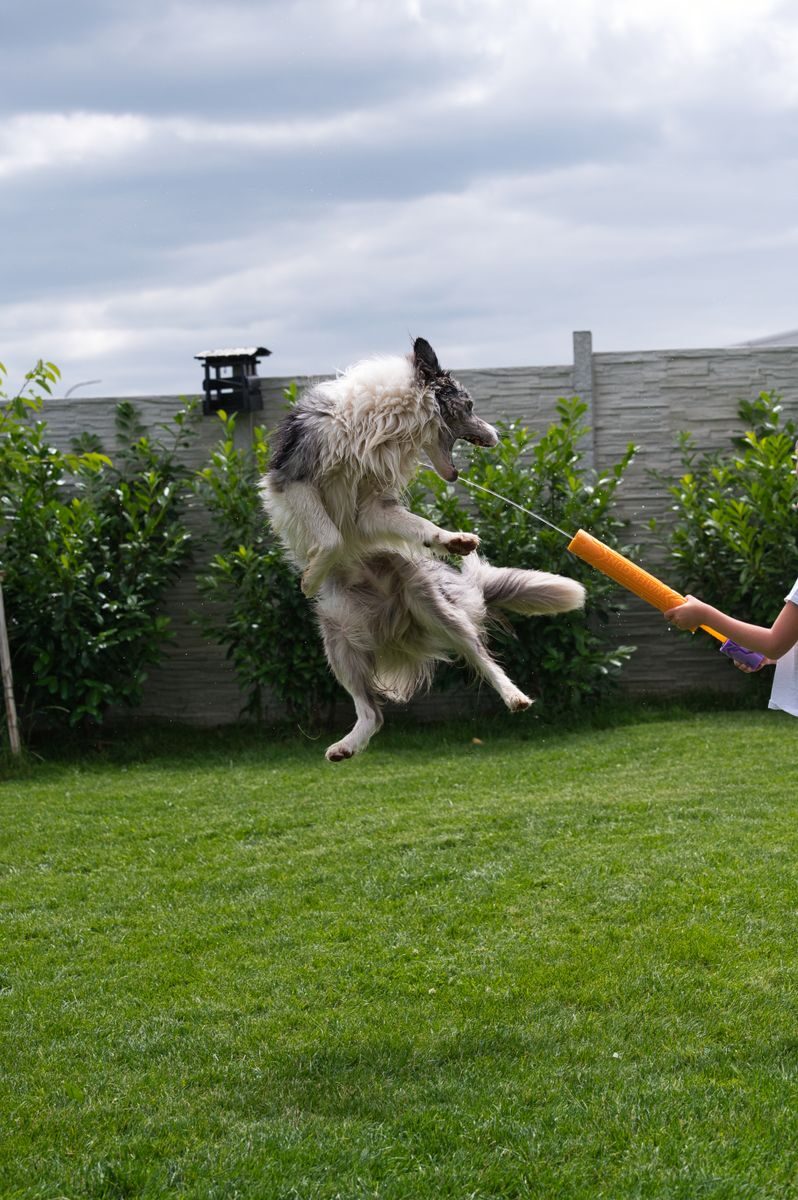
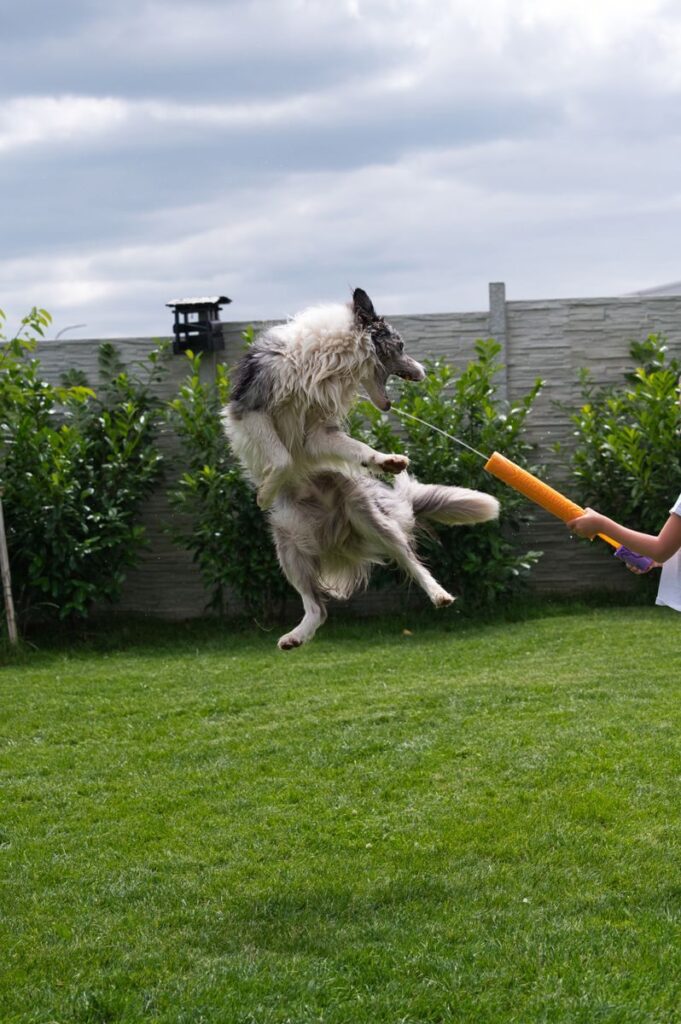
Why Dogs Jump Up ΓÇö and How to Help in Mississauga
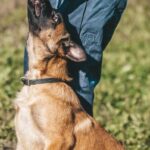
Have you ever been greeting your dog at the door, only to find yourself buried under a furry, four-legged pile of excitement? Or perhaps you’ve been out for a walk in a Mississauga park, only to be tackled by a stranger’s enthusiastic pup? If so, you’re not alone.
Jumping up on people is one of the most common greetings dogs use, but it can be overwhelming—and sometimes even concerning—for both strangers and family members. Understanding why our dogs jump is the first step toward helping them learn more appropriate ways to greet and interact.
Understanding the “Jumping Gene”
Dogs are descendants of wolves, and while they’ve evolved significantly, some ancient instincts remain. Jumping up can be linked to their wolf ancestors’ way of observing and interacting with the world.
Why Your Dog Might Be Jumping
- Excitement and Enthusiasm: This is often the primary reason. Meeting people (especially familiar ones), going for walks, or anticipating a fun activity can trigger an adrenaline rush, and jumping is a physical manifestation of that excitement.
- Attention Seeking: Dogs are social pack animals (even if we humans are not!). Jumping can be a learned behaviour—if your dog gets attention (even just a glance or a reprimand) when they jump, they’re likely to continue because it works. This can happen in Mississaghs homes, parks, or anywhere.
- Fear or Anxiety (sometimes confused with excitement): While seemingly enthusiastic, sometimes jumping can mask fear. A dog might jump when meeting a new person or animal out of nervousness, trying to get a better view or appear “bigger,” or simply because they’re overwhelmed. This “excited” jumping is actually fear-based.
- Lack of Proper Social Skills: Some dogs haven’t learned the appropriate greeting behaviours (like a soft “speak” or a gentle sniff). They default to jumping because they don’t know any other way.
- Resource Guarding (Less Common but Possible): While less typical for greeting behaviour, some dogs might associate jumping with trying to control access to something they value (like a favorite bed or treat).
Is Jumping Always a Problem?
For some, gentle excitement jumping might be acceptable, especially if it’s only directed towards their immediate family and doesn’t involve biting or excessive fearfulness. However, for most households and public interactions, teaching dogs not to jump on people is considered good manners and promotes safer, more predictable interactions.
Potential Issues with Jumping
- Safety Concerns: Jumping can lead to accidental bumps, falls, or injuries for people, especially children or the elderly. It can also make strangers hesitant to interact with your dog or even avoid your dog altogether.
- Stress for Your Dog: Constant jumping can be stressful for dogs if they are reprimanded harshly. Positive training aims to reduce this stress.
- Undermining Leadership (Misconception): Modern, positive training discourages the idea of “correcting” jumping as a sign of disrespect. The focus is on teaching polite greetings through positive reinforcement.
Gentle and Effective Strategies to Help Manage Jumping in Mississauga
Good news: You can help your dog learn to greet more calmly! The key is positive reinforcement and consistency. Avoid corrections, as these can damage trust.
1. Manage the Environment (Prevention is Key!)
- Baby Steps: When you know your dog is likely to jump (e.g., coming through the door, arriving at the park), use a gentle cue like “Settle” or “Calm Down” before greetings happen. If they comply (even partially), reward!
- Physical Barriers: Use a baby gate at the door or a crate temporarily when visitors arrive, allowing greetings to happen calmly once they’re free.
- Controlled Greetings: When meeting people, keep greetings brief and positive. Have visitors offer a calm handshake or pat first, then reward your dog for looking away or lying down calmly.
2. Teach an “Alternative” Behaviour
- Find a Calm State: Identify what your dog does when they’re calm. This could be sitting quietly, lying down, sniffing, or looking away.
- Teach a Replacement Cue: Choose a simple cue like “Settle”, “Calm”, or “Yawn”. Practice having your dog lie down or sit calmly on cue before excitement builds. Reward calm behaviour.
- Reward Calm Greetings: When your dog offers a calm greeting (e.g., sitting quietly while you pet them), reward generously with treats, praise, or play. Make sure greetings happen only when they are calm.
- Mississippi Marker: Use a clicker or marker word (like “Yes!”) to mark the exact moment they offer a desired calm action.
3. Use High-Value Rewards
- Motivation Matters: Use highly desirable treats, or perhaps toys or enthusiastic play if that motivates your dog more than food.
- Timing is Crucial: Reward immediately after the desired behaviour (calm greeting, lying down calmly) to help your dog connect the action with the reward.
4. Be Consistent (This is HUGE!)
- All Hands on Deck: Ensure everyone in the household, including children, uses the same cues and rewards the same calm behaviour.
- Consistent Visitors: Ask guests to follow the same greeting protocol.
- Patience: Changing behaviour takes time and repetition. Celebrate small successes.
5. Practice in Low-Distraction Environments First
- Start at Home: Practice greeting exercises right at home with family members first, gradually increasing the level of distraction as your dog improves.
- Gradual Exposure: Once calm greetings are mastered at home, practice in the driveway, then in a quiet park like those found throughout Mississauga, before venturing to busier areas.
6. Professional Help if Needed
- Not a Quick Fix: If jumping is persistent or linked to fear/anxiety, simple training might not be enough.
- Local Resources: Consider consulting a certified positive reinforcement trainer in the Mississauga area who specializes in behaviour modification. Look for organizations or individuals focused on positive methods.
Jumping on Other Dogs at the Park?
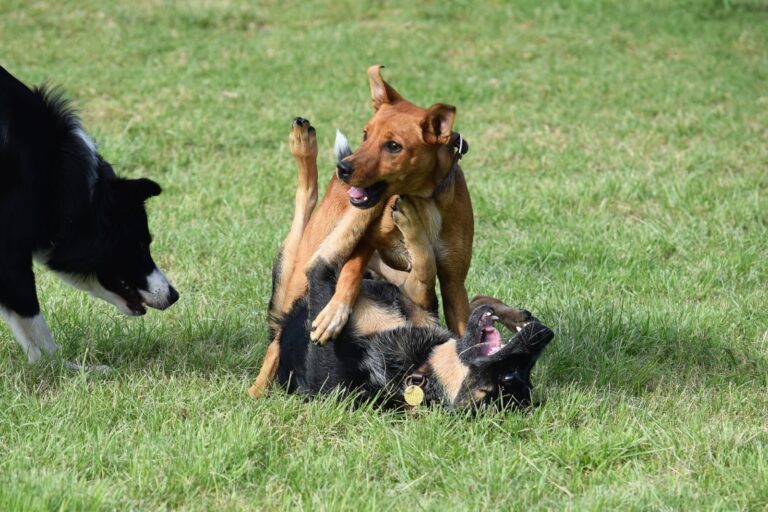
Mississauga’s many parks are great for dog owners, but jumping between dogs can be common. While greeting jumps are usually harmless, excessive jumping or jumping with teeth should be discouraged.
- Teach “Place” or “Down Stay”: Ask your dog to go to their bed or lie down before approaching another dog. Reward compliance.
- Manage Leash Pressure: If your dog tends to jump, keep them on a slightly tighter leash so they have less space to jump.
- Reward Calm Interactions: If your dog approaches calmly and sniffles gently, reward them.
- Be a Model: Your calm approach sets the tone.
Final Thoughts from Mississauga
Understanding “why” helps us address “how.” Dogs jump for a reason, often stemming from excitement, seeking attention, or lack of learned skills. By using positive, consistent training focused on rewarding calm, alternative behaviours, and managing situations, you can help your furry companion learn more appropriate ways to greet people and other dogs throughout your time in Mississauga. Remember to be patient, celebrate progress, and focus on building a positive relationship with your dog.
Mississauga Dog Owners Group: Connecting with other local dog owners can provide support and shared tips. Look for community groups online or at local events.