
Understanding Why Dogs Chase Squirrels
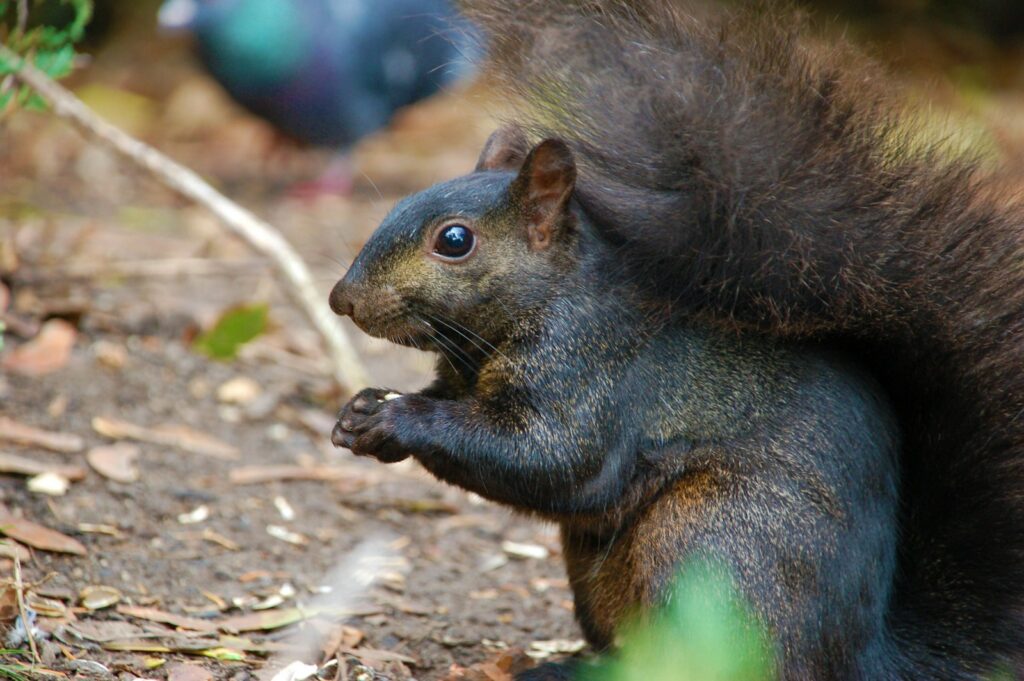
It’s a classic scene in Mississauga: a brisk walk through Flamborough or Credit River, only to be sidetracked by a furry little acorn thief scurrying up a tree. Squirrel chasing is practically canine evolution in action! That lightning-fast burst, the focused stare, the whole-body commitment… it’s primal. But while it’s amusing to watch from a distance, this natural drive can lead to problematic behaviours for both dogs and their human companions in our neighbourhoods.
The Allure of the Acorn Thief
Dogs are hardwired to chase moving objects, especially small, erratic ones like squirrels. It’s part of their prey drive, a survival instinct amplified by the sheer fun and release it provides. For many dogs, it’s a game, but for some, it can become an obsession that gets in the way of walks, endangers your pet, or creates stress for neighbours.
Common Triggers in Mississauga
Our parks and ravines are prime squirrel territory. Whether it’s the splash pad at the entrance of a community centre or the manicured lawns near Port Credit, opportunities abound. The challenge lies in redirecting that energy and focus.
Training Approaches: Building Better Habits
Stopping a chase requires patience and consistency. It’s not about eliminating the trigger (squirrels are here to stay!) but teaching your dog better responses. Here are some effective strategies:
The Capture-the-Flag Method: A Game Changer
This technique, adapted from hunting dog training, teaches your dog to focus on you despite distractions.
- How it works: Keep a brightly coloured flag or bandana tied to a long stick (about 1.5m long). Have a helper (or use you if the distraction is manageable) lure your dog with the flag.
- Practice: Move the flag around, mimicking squirrel movements, but only reward capture if your dog looks back to you before grabbing the flag. Praise and reward heavily.
- Progression: Slowly introduce actual squirrels or other distractions while practicing. The goal is for your dog to look back to you for the reward.
- Why it works: It teaches focus, self-control, and that you are the most rewarding thing.
Mastering the ‘Leave It’
This fundamental command is invaluable. Teaching your dog to ignore interesting sights or sounds builds a crucial foundation.
- Training: Start with a closed bag with a known treat inside. Say ‘Leave It’, then offer a more desirable treat outside the bag. Repeat consistently. Practice with less obvious items.
- Using ‘Leave It’: When you spot a squirrel distraction, immediately say ‘Leave It’. If your dog complies (even for a second), reward. If they don’t, a brief moment of holding (with calm voice) can reinforce the command.
Harnessing the Power of Recall
A reliable recall (coming when called) is arguably the most important tool. If your dog comes reliably to you when called, you can often prevent or stop a chase.
- Practice: Make recalls fun and rewarding. Call your dog at home, in the backyard, then gradually introduce distractions. Always reward successfully recalled dogs enthusiastically.
- Using Recall: If a chase starts, immediately call your dog. Don’t let them get far or get into the frenzy. Reward them for coming to you before they engage with the squirrel.
4. Controlled Exposure and Management
Sometimes, gradual desensitization is needed.
- Supervised Viewing: Start by allowing your dog to view squirrels from a distance while performing calm, focused training exercises (like ‘Leave It’ or focus on you).
- Leash Tension: Some dogs are less likely to chase if they feel the pressure of the leash. Experiment with slight tension when a chase starts.
- ‘Time Out’: If a chase begins, calmly ask your dog to go into a ‘Time Out’ position (like ‘Shake a Leg’ or simply sit calmly). Ignore them briefly until they settle. This teaches that the chase leads to nothing fun.
Environmental Management: Reducing Opportunities
Sometimes, changing the environment reduces the problem.
- Timing: Try walking during times when squirrels are less active (dusk, dawn, or during heavy rain/snow). However, this isn’t always reliable and might just shift the problem.
- Route Planning: Stick to busier routes or paths where human traffic might deter squirrels.
- Avoiding High-Density Areas: While Mississauga has many lovely parks, some are denser in squirrel activity. If possible, vary your routes.
- Using Covers: Products like the Squeak Roll (a mat worn on the chest) can sometimes help by covering the neck area and limiting the visual trigger.
Alternatives to Chasing: Keep Them Busy
Provide outlets for that energy and prey drive.
- Sufficient Exercise: Ensure your dog gets plenty of physical exercise. A tired dog is less likely to have the energy for a full-blown chase. Mississauga offers excellent parks and even dog treadmills at some community spaces.
- Mental Stimulation: Puzzle toys and training sessions tire the mind, reducing the likelihood of being easily sidetracked.
- Engaging Activities: Teach and practice other highly motivating behaviours like ‘Roll Over’, ‘Play Dead’,
When to Seek Help
If chasing becomes excessively intense, fearful, or leads to aggression towards squirrels or other dogs, consult a qualified animal behaviourist or Mississauga-based trainer specializing in reactivity. They can provide personalized guidance.
Responsible Dog Ownership in Mississauga
Managing squirrel chasing isn’t just about your dog; it’s about being a responsible neighbour. A dog that can be easily distracted prevents potentially dangerous encounters with other dogs or people in the park. Training helps ensure everyone has a positive experience on our shared Mississauga trails and commons.
Wrapping Up
Stopping a squirrel chase entirely might be a tall order, but significantly reducing reactivity and teaching focus is achievable with patience and the right techniques. Start slowly, celebrate small victories, and consult local experts if needed. Mississauga walks can still be fun for everyone when dogs learn to manage their instincts.