
Understanding Cold Stress in Dogs
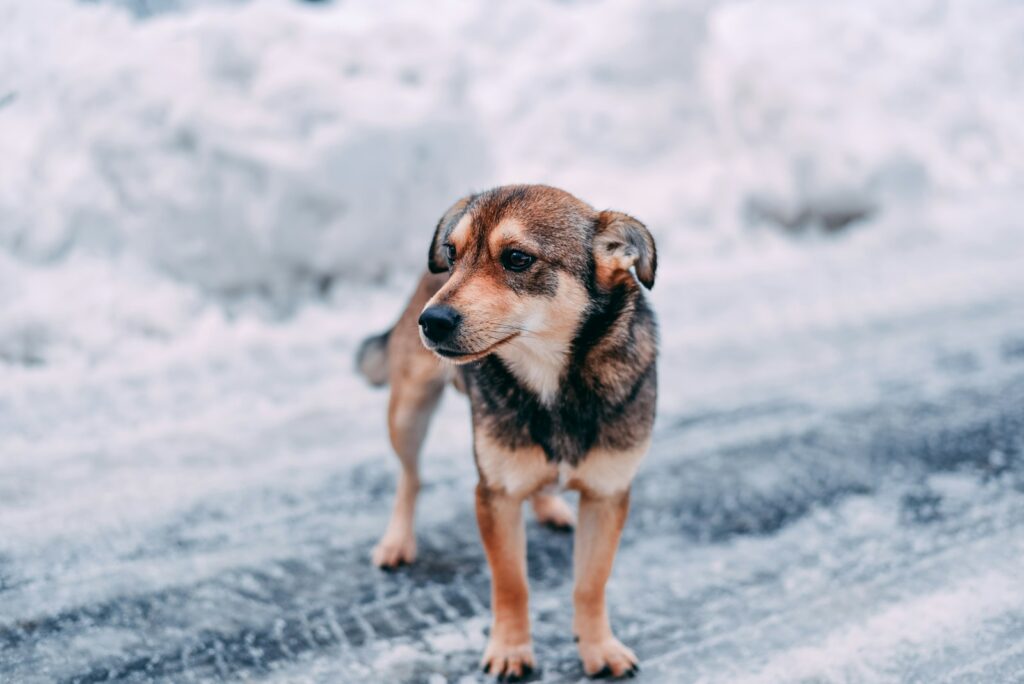
As an Ottawa resident, you’re familiar with our winters. While we enjoy the snow and festive atmosphere, it’s crucial to understand how cold weather affects our four-legged friends. Dogs don’t handle extreme cold the same way humans do, and their tolerance varies significantly based on breed, health, and preparation.
What’s the Magic Temperature?
There isn’t one single temperature that defines ‘too cold’ for all dogs, but we can break it down based on common understanding:
- Below -15°C (-23°F): Generally considered challenging for most dogs, especially those with short coats or less endurance. Extra caution needed.
- Below -20°C (-28°F): This is pushing it for many dogs. Even short-term exposure requires careful monitoring and likely should be limited to indoor time.
Your Dog’s Cold Tolerance: It Depends on Them
Several factors determine how cold is too cold for your specific dog:
Breed Matters
- Double-Covered Breeds: Dogs with thick double coats (like Huskies, Malamutes, German Shepherds, Samoyeds, and sled dogs) are generally better equipped to handle colder temperatures than those with single coats.
- Short-Coated Breeds: Breeds like Greyhounds, Whippets, and Basset Hounds have minimal insulation and are much more susceptible to cold. They rely heavily on layering and indoor shelter.
- Hairless Breeds: Dogs like the Bolognese or Pomeranian (despite the coat) are tiny and lack fur, making them extremely vulnerable to cold.
Age and Health
- Puppies: Their metabolism isn’t fully developed, and they can’t shiver effectively for long periods. Keep them indoors.
- Senior Dogs: They often have reduced metabolism and may have underlying health issues that make them more sensitive to cold.
- Health Conditions: Dogs with heart disease, respiratory problems (like brachycephalic breeds – think Pugs or Shih Tzus), or arthritis are more susceptible to cold stress.
- 💢 Pain Matters: Arthritis or hip dysplasia can make it harder for dogs to keep moving and generate body heat, increasing their cold vulnerability.
Coat Quality
A healthy, thick, undamaged coat is a dog’s primary insulation. Matted, wet, or damaged coats offer far less protection. Regular grooming (especially before winter) is essential.
Acclimatization
Dogs can adapt to cold weather over time, much like humans. A dog that spends short periods outside in cool weather can often handle slightly colder conditions later.
Signs Your Dog Is Too Cold
Knowing the warning signs is crucial. Watch for these indicators that your dog is struggling in the cold:
Immediate Signs (Hypothermia)
- Shivering: This is the body’s natural response to generate heat. Prolonged shivering in cold conditions is a bad sign.
- Hunched Posture: Tucking legs under the body to conserve heat.
- Whining or Barking: Can indicate discomfort or pain.
- Lethargy or Weakness: Lack of energy, appearing tired or floppy.
- Blue Gums (Lips and Tongue): A serious sign of cold stress and potential shock.
- Shivering: As noted, persistent shivering is concerning.
- Low Body Temperature: Using a rectal thermometer, normal dog temperature is around 101-102.5°F (38.3-39.2°C). Below 100°F (37.8°C) is hypothermia.
Behavioural Cues
- Preferring to Stay Indoors: If they want to be inside and won’t go out.
- Slowing Down: Moving much slower than usual.
- Apprehensive or Afraid: Showing fear of the cold.
How to Check the Temperature
Knowing the air temperature is only part of it. Wind chill and humidity make a significant difference. In Ottawa, pay attention to the wind chill warnings issued by Environment Canada.
- Use a Wind Chill App: These apps factor in wind speed and temperature for a more accurate cold stress indicator.
- Check Local Weather Forecasts: Pay attention to warnings and alerts specifically mentioning wind chill.
Ottawa’s Cold Weather Public Spaces
Ottawa offers many places to enjoy the outdoors, but it’s crucial to prioritize your dog’s comfort:
H3: Checking the Neighbourhood: Ottawa’s Familiar Outdoors
- Parliament Hill: Offers stunning views but can be surprisingly exposed to wind. Check wind chill before heading up.
- Byward Market: A pedestrian area with buildings for shelter, but still exposed. Limit time.
- Green Spaces (Kanata Park, Rideau Park): Good for walks, but watch for exposed areas and ice patches.
- The Rideau Canal: Especially during skating season, it can be very exposed to wind.
H3: Keeping Paws Safe on Ottawa Surfaces
- Ice and Salts: Road salts can be harsh on paw pads. Provide boots or practice potty training on snow/mud to reduce exposure.
- Antifreeze: A deadly substance that can be accidentally ingested. Ensure gutters and crawl spaces are cleared, and keep antifreeze securely stored.
Practical Tips for Ottawa Winter Dog Safety
- Start Indoors: Don’t immediately take your dog outside if it’s cold. Let them get used to the indoor temperature first.
- Limit Exposure: Time outside should be minimal and infrequent. A quick potty break might be okay, but avoid extended walks.
- Provide Shelter: Ensure a cozy indoor space away from drafts.
- Check Paws: Before and after walks, check for ice, snow, or chemical buildup on paw pads. Use dog-safe paw balm if needed.
- Warm Up: After being outside, bring your dog inside and let them have time to warm up gradually. Don’t rush them back into the cold.
- Hydration: Ensure fresh, unfrozen water is available at all times.
- Check Gaps: Ensure doors and windows at home are draft-free.
- Consider Microchips: In case your dog gets too cold to wander off.
When to Keep Your Dog Indoors
If the wind chill is below -15°C (-23°F), or if your dog is young, old, small, or has health issues, it’s best to keep them strictly indoors. Even for short-coated breeds, exposure below zero for more than 15-20 minutes can be risky.
Conclusion: Ottawa’s Winter and Your Dog
Ottawa’s winters are beautiful, but they demand extra care for our dogs. By understanding temperature limits, recognizing signs of cold stress, and prioritizing your dog’s comfort and safety, you can enjoy the season together. Always err on the side of caution when in doubt. Your dog’s health and happiness matter most.