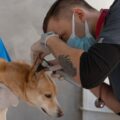
The Vet Visit Schedule: Keeping Your Ottawa Dog Healthy
As proud dog owners in Ottawa, you’re likely well-acquainted with the responsibilities that come with sharing your life with a canine companion. While walks along the Rideau River and playdates in local parks like Glen Cairn United are highlights, ensuring your dog’s health requires consistent attention. One of the most important aspects of responsible dog ownership is establishing and sticking to a regular veterinary visit schedule. But how often should you actually bring your furry friend to the vet? This guide breaks down the recommended schedules based on age, health status, and specific Ottawa considerations, helping you provide the best possible care for your best friend.
Why Regular Vet Visits Matter for Your Ottawa Dog
Think of regular veterinary check-ups as part of routine dog care in Ottawa, much like annual servicing for your car. These visits aren’t just about addressing problems when they arise; they’re crucial for preventative care. Here’s why:
- Early Detection of Illness: Many health issues, from dental disease to internal organ problems, can develop quietly. Regular check-ups allow your veterinarian to catch these conditions early, when they’re often more treatable and less costly.
- Vaccinations and Parasite Prevention: Keeping your dog up-to-date on vaccines and flea/tick prevention is vital for protecting them from serious and potentially fatal diseases common in Eastern Canada, including Lyme disease which can be carried by ticks in local parks.
- Dental Health: Dental disease is incredibly common in dogs and can cause pain and lead to more serious health problems. Professional cleanings and examinations are part of comprehensive wellness.
- Weight Management: Overweight dogs face increased risks of many health problems. Vet visits provide an opportunity for objective assessment of body condition and guidance on diet and exercise tailored to Ottawa’s climate and your dog’s needs.
- Building the Human-Animal Bond: Your veterinarian becomes familiar with your dog’s normal behavior, appetite, and energy levels, allowing them to recognize subtle changes that might indicate a problem.
Establishing the Right Vet Visit Schedule
The ideal frequency for vet visits depends heavily on your dog’s age, breed, health status, and lifestyle. Here’s a general guideline, adapted for considerations specific to Ottawa:
Puppies: Building a Foundation (Birth to 1 Year)
Puppyhood is a critical time for development and health. A well-structured schedule ensures proper vaccinations, parasite control, and growth monitoring.
- Schedule: Typically, puppies require veterinary visits more frequently during their first year.
- Initial Visit (6-8 weeks): Crucial for initial health assessment, parasite testing (including for heartworm, even if born indoors), initial vaccinations (often DHLPDA or similar, covering Distemper, Hepatitis, Leptospirosis, Parvovirus, Parainfluenza, Adenovirus), and starting parasite prevention.
- Follow-up Visits (every 3-4 weeks until 16 weeks): Booster shots are typically needed at 10, 14, and 16 weeks. These visits are vital for completing the vaccination series correctly.
- First Adult Visit (around 1 year): Even after the initial series, a visit at one year old is recommended to ensure all vaccinations are effective and to establish baseline health metrics. This is also when you might consider spaying or neutering.
Ottawa Specific Note: Puppies in Ottawa should be started on tick prevention around 12 weeks of age, as ticks can be present in local parks and wooded areas during warmer months.
Young to Adult Dogs (1-7 years): The St steady State (Every Year)
Once your dog reaches one year of age, a yearly wellness examination with the vet is generally sufficient for healthy adult dogs. This schedule allows for consistent monitoring of your dog’s health trends.
- Schedule: Annual check-ups are the standard recommendation for healthy adult dogs.
-
What to Expect: During these visits, the vet will:
- Discuss your dog’s diet, exercise, and lifestyle.
- Perform a thorough physical examination, checking teeth, ears, eyes, heart, lungs, abdomen, skin, and joints.
-
Review and update vaccinations.
-
Discuss and update parasite prevention (fleas, ticks, heartworm).
- Conduct basic blood tests (like a thyroid check or screening tests if warranted).
- Address any questions or concerns you have about your dog’s health.
Ottawa Consideration: Many Ottawa homeowners opt for wellness blood panels annually starting around age 7, as the city’s mix of urban and natural environments can expose dogs to various stressors and seasonal changes.
Senior Dogs (7+ Years): Extra Attention Needed (Every 6-12 Months)
As dogs age, they become more prone to health issues, similar to seniors in our own families. More frequent check-ups allow for proactive health management.
- Schedule: Transition to visits every 6 months starting around age 7 or 8 years.
- Why More Frequent: Age-related changes and increased risk of conditions like kidney disease, thyroid problems, arthritis, and cognitive decline mean more vigilant monitoring.
- What to Expect: Senior wellness exams are more comprehensive, often including:
- Thorough physical exam focusing on mobility and organ systems.
- More detailed blood work to screen for age-related diseases.
- Recommendations for diet adjustments, pain management, or specialized supplements.
- Discussion about quality-of-life factors as your dog ages.
Ottawa Note: The colder winter months can be particularly stressful on older dogs’ joints. Discussing mobility and potential winter-proofing of their environment (like safe indoor exercise spaces) becomes more important as they age.
Factors That Can Influence Your Dog’s Vet Schedule
While the above schedules provide general guidance, several factors specific to your Ottawa dog and lifestyle may warrant adjustments:
Changes in Health or Behaviour
Any sudden change in your dog’s behaviour, appetite, thirst, energy levels, urination patterns, or the appearance of lumps should trigger a vet visit, regardless of the scheduled schedule.
Chronic Conditions
If your dog has a diagnosed chronic condition (allergies, diabetes, kidney disease, etc.), your veterinarian will typically recommend more frequent visits (e.g., every 4-6 weeks) to monitor the condition and adjust treatment.
Lifestage Changes
Bringing a new dog into your home, especially an older dog adopted from a shelter, might warrant an earlier vet visit to establish their baseline health.
Environmental Factors in Ottawa
- Climate: Ottawa’s harsh winters mean extra attention to paw health (checking for ice balls, snow paws) and potentially indoor-related issues like dry skin or respiratory problems if heating systems are used extensively. Visits can sometimes be prompted by concerns related to seasonal changes.
- Local Parks: Increased awareness of tick-borne illnesses means sticking to the recommended parasite prevention schedule, often discussed during annual check-ups.
Your Commitment
Ultimately, the best vet schedule is one that you can consistently follow. Find a vet practice in Ottawa that you trust and makes it easy for you to prioritize these important visits. Many local clinics offer reminder services.
Conclusion: Prioritize Your Ottawa Dog’s Health
Determining how often your dog should visit the vet involves considering their age, health status, and individual needs within the Ottawa context. While annual visits are standard for adults, puppies need more frequent attention, and seniors benefit from semi-annual check-ups. Always listen to your dog’s needs, and don’t hesitate to consult your veterinarian if you have questions about scheduling or your dog’s health. By establishing a consistent vet schedule, you’re investing in your dog’s longevity and well-being, ensuring they continue to enjoy life in the beautiful National Capital Region for years to come.
- Remember: Consistency is key. Mark your calendar for those check-ups!
- Tip: Keep your vaccination records organized and bring them to every visit.
- Local Resource: The Ottawa Animal Services can provide information on low-cost spay/neuter clinics and resources if you’re concerned about accessing veterinary care.
Related posts:
 Dog-Friendly Events & Festivals in Ottawa: A Tailwind for Your Pooch
 Keeping Your Dog Safe and Sound in Ottawa by Night
 Finding Your Ideal Companion: Choosing a Reputable Breeder or Rescue in Ottawa
 Spotting the Signs: Early Detection of Arthritis in Your Ottawa Dog
 Spotting Arthritis Early: A Guide for Hamilton Dog Owners