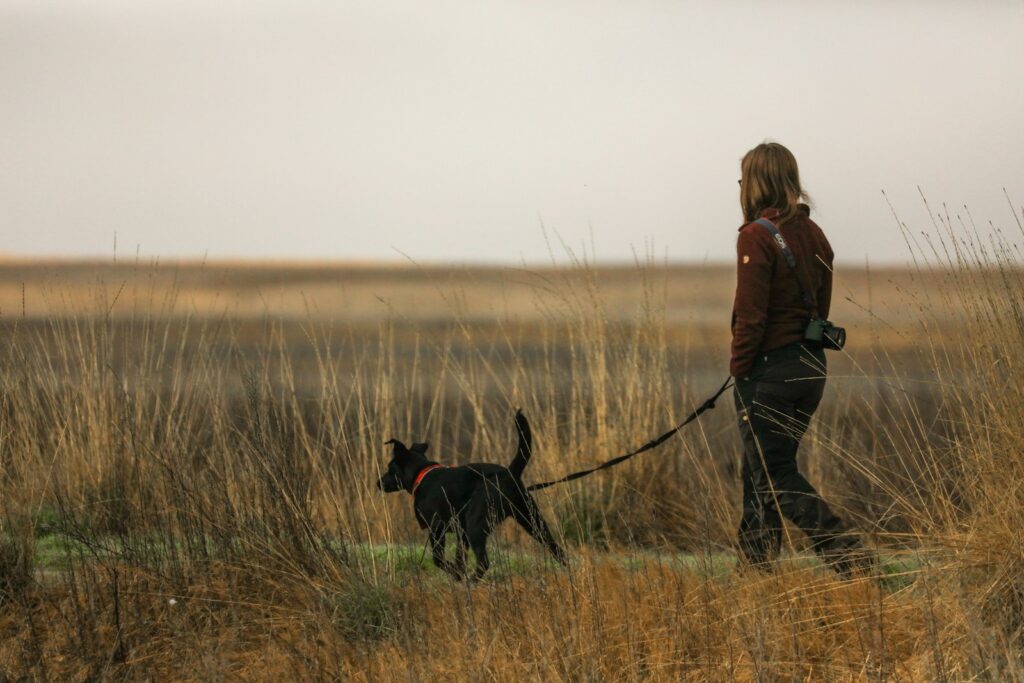

Walking your dog in Montreal is a beloved pastime, from exploring Parc Jean Drapeau to navigating the bustling Metro stations. But tangled leashes and pulling dogs can make these adventures frustrating for both you and your furry companion. Teaching your dog loose-leash walking doesn’t have to be complicated. With patience, positive reinforcement, and some Montreal-specific considerations, you can transform your walks into enjoyable, stress-free adventures.
Why Loose-Leash Walking Matters in Montreal
Montreal’s unique urban landscape demands good leash handling. Whether you’re catching the Metro, exploring McGill University’s campus, or enjoying the paths at Biodôme, a well-behaved dog on a loose leash makes interactions smoother. Here’s why it’s particularly important in our city:
- Navigating Crowded Spaces: Montreal’s Old Port, downtown core, and popular attractions like the Montreal Insectarium often require close proximity to others. A loose leash prevents tangles and keeps your dog from becoming a barrier.
- Accessing Public Transport: While dogs usually stay home on the Metro, knowing how to manage your dog’s leash near stations or if you occasionally travel with your pet can be useful. A relaxed, loose leash means less stress for everyone.
- Versatility for Different Environments: Montreal offers everything from narrow, cobblestone streets to wide park paths. Loose leash training prepares your dog for various walking conditions.
- Reduced Stress for Everyone: A dog that’s not pulling feels less frustrated or anxious, leading to a more pleasant experience for you both.
Understanding the Problem: Why Dogs Pull
Before diving into solutions, it’s helpful to understand why dogs pull on the leash:
- Muzzle Grab: Your dog wants to sniff a new scent or interact with another person/pet.
- Lure: They see something interesting ahead (a squirrel, a distraction).
- Recall: They want to rush back to you.
- Inadequate Leash: The harness or collar isn’t comfortable or the right type for training.
- Excitement: Simply being outside and having freedom can cause excitement.
- Seeking Attention: They learn that pulling gets your attention.
Identifying the root cause helps tailor your training approach.
Step-by-Step Guide to Loose-Leash Walking Training
1. Start Indoors: Lure and Relaxation
Good training begins before you even leave home. Indoors is where you can practice without distractions:
- Lure: Use high-value treats (like small cubes of softened cheese or small pieces of chicken, popular Montreal spots like La Banqueterie often sell fun training treats!) to guide your dog from one spot to another while keeping the leash slack. Reward only when the leash is loose.
- Relaxation: Teach your dog to be calm on the leash. Sit with your dog beside you, gently stroke the harness, and offer treats. Practice briefly each day.
2. Master the ‘Leave It’
This crucial command is invaluable. Teach it using treats:
- Hold a treat in your hand.
- Say “Leave it” and close your hand.
- If your dog looks away or nudges your hand, reward them with a different, more desirable treat.
- Practice with increasingly tempting items.
3. Harness/Harness Choice Matters
While not all harnesses are created equal, focus on one that’s comfortable and allows good control:
- Harness Options: Collars can work for gentle pulling if used correctly (e.g., no-pull harnesses), but harnesses often provide more comfort and control. Look for reputable Canadian brands available online.
- Fit is Crucial: Ensure it’s snug enough to prevent slipping but loose enough for you to fit two fingers under.
4. The ‘Loose Leash’ Game – Walking Near You
This is the core of the training:
- Start Short: Keep initial walks very short (a few steps).
- Reward Slack: As soon as the leash becomes loose, say “Good!” or offer a treat. Ignore the leash when it’s taut.
- Forward Motion: Encourage walking forward rather than just standing still. Use treats or a gentle “Heel” cue.
- Stop and Go: If your dog pulls, stop walking. Wait for the leash to become loose again before continuing. This teaches them that walking requires forward movement, not pulling.
5. Incorporate Montreal Environments
Gradually introduce your walks to more challenging situations relevant to Montreal:
- Narrow Paths: Practice on narrow sidewalks, like those found in Old Montreal, where space is limited.
- Bus Stops/Queues: Practice stopping briefly at bus stops (when allowed) to work on impulse control.
- Downtown Areas: Once your dog is reliably loose-leashed indoors and on short walks, try navigating less distracting downtown areas.
- ** McGill University Campus:** The vast green spaces and varied paths offer good practice opportunities away from high-traffic zones.
- Jean Drapeau Park: Use the paths for longer practice sessions.
6. Leash Handling Techniques
Your grip on the leash affects your dog’s behaviour:
- Hand Position: Keep your hand near the top of the leash. If your dog pulls, gently pull the leash back slightly, then stop walking. Don’t jerk!
- Two-Leash Option: For added control during walks (especially near distractions), consider using a short leash attached to the harness, held in the opposite hand.
Troubleshooting Common Montreal Challenges
Pulling Towards Sights
- Solution: Use the “Look at That!” technique. Briefly pause walking when your dog fixates on something interesting, then reward calm focus. Redirect their attention back to you.
Pulling Away
- Solution: Stop walking immediately. Wait for the leash to relax before taking another step. Consistency is key.
Leash Whining/Crying
- Solution: This usually means they’re uncomfortable or anxious. Identify the cause (perhaps an overly tight leash or fear of the environment). Try a more comfortable harness and walk at a slower pace.
Training Plateaus
- Solution: Vary your routes, practice during calmer times of day, or try different reward types (different treats or toys). Ensure you’re not inadvertently rewarding pulling.
Making it Montreal: Practical Tips
- Pavement: Montreal’s cobblestones can be tricky. Keep walks steady at first on smoother surfaces.
- Cold Weather: Shorter, more frequent walks may be better in harsh winters. Keep your dog warm and dry.
- Local Resources: Consider joining local dog groups like the Montreal Dog Owners’ Club for support and tips.
Patience and Positives: Your Secret Weapons
Remember, training takes time. Montreal’s winters might mean fewer daylight hours for training, but consistency is more important than length. Celebrate small successes and always end training sessions on a positive note. Loose leash walking is a skill that improves with practice, making your Montreal adventures smoother and more enjoyable for both you and your best friend.
Beyond Montreal
The principles here apply universally. Whether you’re navigating the Metro or exploring the countryside, a well-trained dog on a loose leash enhances all your outdoor experiences.
Pro Tip: Keep training sessions short (5-10 minutes) and frequent, especially when starting out.