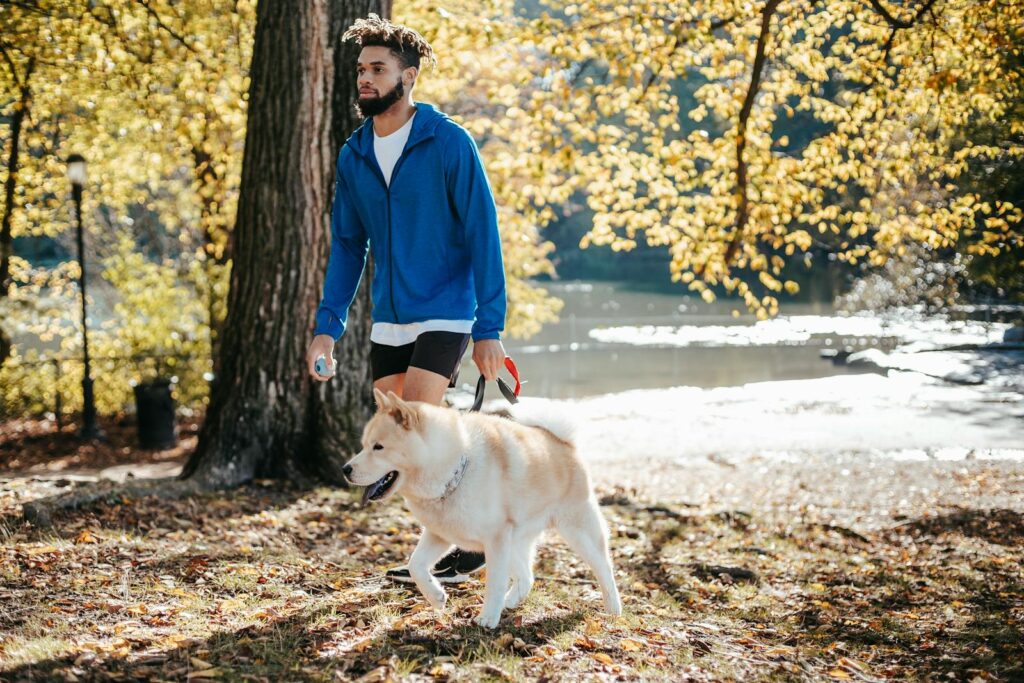

The Loose-Leash Walk: A Mississauga Guide
Walking your dog in Mississauga’s beautiful parks and trails should be a joy, not a battle. A well-behaved dog on a loose leash allows for more freedom, less stress, and more exploration for both you and your best friend. But how do you teach your furry companion to walk politely beside you? This guide offers practical advice for Mississauga dog owners looking to master the art of the loose leash walk.
Why Loose-Leash Walking Matters in Mississauga
Our city boasts countless green spaces from the scenic trails at Flamborough to the urban charm of Credit Valley Conservation. Whether you’re strolling through Port Credit or enjoying a hike in the west end, walking your dog is an essential part of pet ownership. A dog pulling on the leash can make these outings stressful, potentially leading to:
- Safety Issues: A tight leash restricts your ability to quickly assess and avoid hazards.
- Damage to Relationships: Constant tugging can strain the bond between you and your dog.
- Limited Exploration: An overly excited or reactive dog may not fully enjoy the surroundings.
Teaching loose leash walking ensures everyone can enjoy the diverse landscapes and amenities Mississauga has to offer.
The Core Principles of Loose-Leash Walking
Regardless of your dog’s breed or age, a few fundamental principles underpin successful leash training:
Patience and Consistency
This is perhaps the most crucial element. Training takes time, practice, and consistency. Everyone involved—including other family members—needs to use the same commands and techniques. Mississauga’s diverse dog owners mean you might encounter varying training styles, but sticking to your method will yield better results.
Positive Reinforcement
This is the most effective and humane approach. Focus on rewarding good leash behaviour with treats, praise, or play, not on correcting bad behaviour. This builds a positive association with walking politely.
Understanding Your Dog’s Motivators
What rewards your dog? High-value treats, enthusiastic play, or a specific toy? Knowing what motivates your individual dog will make training more effective.
Starting Small
Practice in controlled environments first, gradually increasing distractions as your dog improves. Begin in your own backyard or a quiet Mississauga street before heading to popular dog parks like Creditview Dog Park.
Step-by-Step: Teaching Loose-Leash Walking
1. The Foundation: Heel
Start with the basics. Teach your dog to walk beside you on a loose leash, specifically at your left side (or whichever side feels most natural).
- Command: Use a clear, consistent command like “Heel” or “By my side.”
- Initial Setup: Keep the leash taut but not tight. If your dog moves away, gently guide them back with a soft pull.
- Reward Success: As soon as they move alongside you (even if just for a second), reward them enthusiastically with a high-value treat and lots of praise. Mark the behaviour with a “click” if using clicker training.
- Gradual Lengthening: Once they reliably stay at your side for a few seconds, slowly begin to let the leash out as they walk alongside you. Reward only when the leash is loose and they are beside you.
2. Building Duration and Distance
Once your dog understands the heel command, practice walking further and for longer periods.
- Increase Duration: Practice indoors first, walking in place or on a short leash while they maintain position.
- Increase Distance: Walk short distances in your yard, then gradually extend the route.
- Use High-Value Rewards: Keep treats interesting by varying them, perhaps using small pieces of chicken or cheese specifically for training sessions.
3. Practicing Loose-Leash Walking in Motion
Introduce walking on a loose leash while moving.
- Start Slow: Walk at a very slow pace, focusing on keeping the leash loose. Reward any moment the leash appears slack.
- Reward Loose Leash: Specifically reward only when the leash is truly slack and your dog is walking beside you without pulling.
- Avoid Pulling: If they start to pull, simply stop walking. Wait for them to return to the loose leash position before continuing.
Alternative Method: The Lure
Some owners find “luring” effective initially.
- How it works: Hold a high-value treat in your hand and move it just ahead of your side as you walk. Your dog will follow the treat (and you) on a loose leash.
- Transition: Once they reliably follow the lure, gradually phase it out by using the treat less frequently and relying more on verbal cues and praise.
Navigating Distractions
Once your dog reliably walks loosely on leash in calm environments, gradually introduce more distractions.
- Start Controlled: Head to a quiet Mississauga park or less busy trail.
- Manage Excitement: If your dog gets overly excited by other dogs or sights, keep them on a shorter leash initially.
- Stay Calm: Your calm demeanor helps your dog remain focused.
Troubleshooting Common Challenges
1. My Dog Never Stopped Pulling!
- Check Your Timing: Are you rewarding before they pull, or only when they stop? Reward calm walking.
- Manage Leash Tension: Ensure the leash isn’t too stiff or too loose. A loose leash means your hand is relaxed.
- Use a Comfortable Leash: A standard flat leash or a lightweight harness often works better than a heavy collar for training.
- Avoid Reinforcing Pulling: If they pull and you keep walking, they don’t learn. Stop walking until they release pressure.
- High-Value Rewards: Make the “heel” behaviour very rewarding.
2. My Dog Gets Excited by Other Dogs
- Keep Leash Short Initially: This gives you better control.
- Teach Desensitization: Practice walking near other dogs without them approaching, rewarding calm behaviour.
- Use Head Halter (If Appropriate): Some dogs respond better to pressure on the nose than a collar.
3. My Dog Tugs When We’re Near Interesting Things
- Manage Distractions: Approach slowly or choose a different route.
- Teach Focus: Practice asking them to “look at me” or “wait” before entering an exciting area.
Resources for Mississauga Dog Owners
While this guide provides foundational advice, many excellent local resources exist:
- Local Dog Trainers: Consider consulting a certified positive reinforcement trainer in Mississauga for personalized guidance.
- Community Events: Look for local dog training groups or workshops.
- Online Resources: Websites like the Canadian Veterinary Association often have basic training tips.
Final Thoughts
Achieving a loose leash walk takes time and dedication, but the payoff is immense. Imagine strolling through Mimico or walking along the Credit River with your dog happily trotting beside you, able to sniff in the breeze without constant tension. With patience, consistency, and positive reinforcement, this goal is achievable for most dogs in Mississauga. Start slow, celebrate small successes, and enjoy the journey to better walks together.
Related posts:
 Discover Mississauga’s Off‑Leash Dog Parks
 Find Your Perfect Fit: Dog Breeds Suited for Condo Living in Mississauga
 Finding Your Perfect Canine Companion: Dog Breeds Well-Suited to Life in Mississauga
 Crate Comfort: Why a Crate is Great for Your Ottawa Dog
 Crate Training: Your Mississauga Dog’s Secret to Comfort