
Crate Training: More Than Just a Kennel
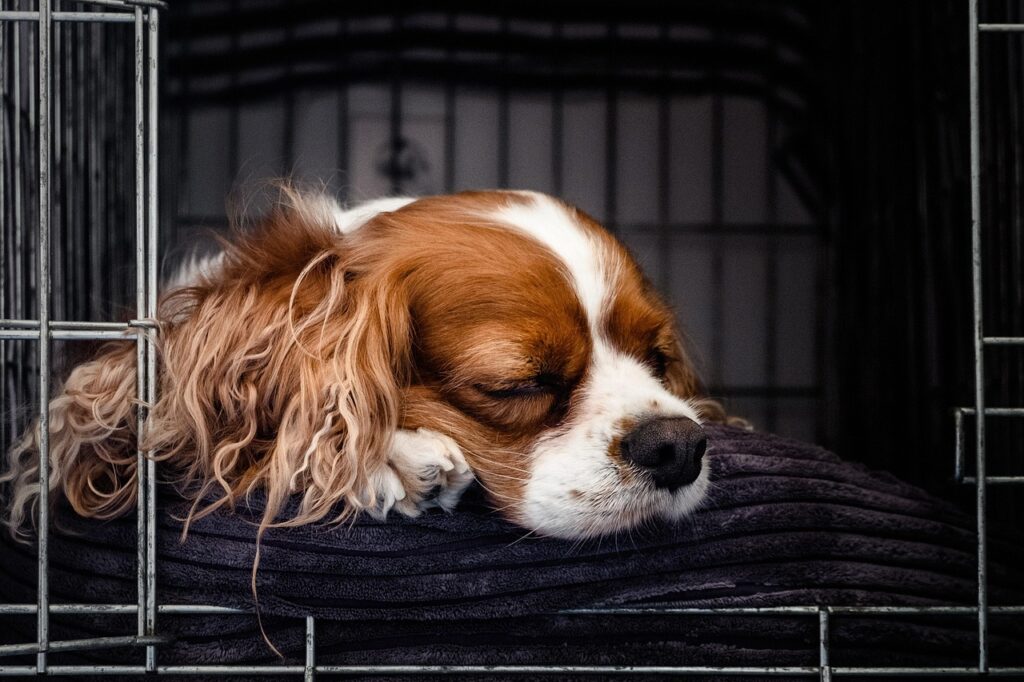
When you bring a furry friend home to Ottawa, creating a safe, comfortable space is paramount. A crate can be a valuable tool for many dogs, often misunderstood as simply a kennel, but offering a range of benefits that support positive behaviour, safety, and well-being in the Canadian capital.
Safety First: A Den for Your Dog
In the unpredictable environment of Ottawa, a crate can serve as a secure haven. It’s not about confining your dog unnecessarily, but rather providing a safe zone.
- Preventing Accidents: For puppies, small dogs, or anxious dogs, a crate can keep them out of areas where they might access harmful substances, electrical cords, or get into a fight with another animal.
- Stopping Destructive Chewing: When you’re at work or running essential errands around town, a crate can protect your furniture, shoes, or mail from enthusiastic chewing.
- Managing Anxiety: For dogs prone to stress in the bustling city or during fireworks season, a crate can offer a quiet escape.
Preparing for Ottawa’s Seasons: A Traveling Companion
Ottawa’s four distinct seasons mean various travel scenarios.
- Car Travel: A properly trained dog who is comfortable in a crate is much easier to transport in the car. It keeps them secure during drives to Alouette Lake or for vet visits, and prevents them from getting under the seat.
- Winter Walks: While exploring Ottawa’s parks in winter, a crate can be a warm, dry place for your dog to return to before the next walk.
- Public Transport (if applicable): For dogs allowed on public transit, a calm acceptance of a crate or carrier is beneficial.
The Foundation of Housetraining
Crate training is often a cornerstone of effective housetraining, a crucial aspect of raising a considerate neighbour in Ottawa.
- Housetraining Principle: Dogs naturally avoid toileting in their sleeping area. The crate provides a confined space where they can learn to hold their bladder and bowels.
- Controlled Environment: By managing crate time and taking your dog outside frequently, especially before heading out to Centretown or other areas, you encourage appropriate bathroom behaviour.
- Preventing Indoor Accidents: As your dog learns, the crate significantly reduces the likelihood of accidents inside your home during the critical housetraining phase.
Comfort and Security in a New Home
Moving to Ottawa or a new home can be stressful for dogs. A crate can be their safe space during this transition.
- A Known Sanctuary: It quickly becomes their personal space, a place for sleeping, resting, and feeling secure.
- Positive Association: When introduced correctly, using the crate positively (with toys, treats, and calm periods) helps your dog view it as a comforting, safe place.
Reducing Stress and Anxiety
For many dogs, especially those adjusting to city living or dealing with loud noises like construction or fireworks, a crate can be a stress-reducing tool.
- Control: Having a quiet, predictable space gives dogs a sense of control.
- Noise Desensitization: Short periods in the crate during fireworks or other loud events can provide a calm refuge.
Avoiding Problem Behaviours
Introducing a crate doesn’t mean you’ll have to baby your dog. When done right, crate training can help prevent common issues:
- Barking: A tired dog in a crate is less likely to bark excessively.
- Chewing: As mentioned, keeping them out of reach reduces destructive chewing.
- Accidents: Once housetraining is established, accidents should decrease significantly.
Getting Started: Practical Tips for Ottawa
- Introduction: Introduce your dog to the crate positively. Place treats inside, then let them explore it on their own terms.
- Gradual Duration: Start with short periods inside, gradually increasing the time as your dog becomes comfortable.
- Positive Reinforcement: Always use praise, treats, or play to make crate time positive.
- Location: Place the crate in a quiet part of your home, near family activity, but not necessarily right in the kitchen or living room.
- Size: Ensure the crate is appropriately sized so your dog can stand up, turn around, and lie down comfortably.
When to Seek Help
While crate training can be highly effective, it’s not a one-size-fits-all solution. If you encounter persistent issues, consulting resources like the Royal Society for the Prevention of Cruelty to Animals (RSPCA) Canada or a positive reinforcement trainer familiar with Ottawa’s context can be beneficial.
Conclusion
Crate training offers a multitude of benefits for dogs and their owners in Ottawa. From enhancing safety and aiding in housetraining to reducing stress and preparing for travel, understanding and implementing crate training can lead to a more harmonious living environment for both your furry companion and your family.
Related posts:
 Spotting the Signs: Early Detection of Arthritis in Your Ottawa Dog
 Ottawa’s Best Walking Trails
 Finding Your Perfect Ottawa Dog: Breed Guide for Capital Living
 Finding Your Ideal Companion: Choosing a Reputable Breeder or Rescue in Ottawa
 Why Positive Reinforcement Training Works Wonders for Edmonton Dogs