
Introduction
Living in Vancouver means endless adventures, especially when you’re a dog owner exploring Stanley Park, Granville Island, or one of the city’s many off-leash zones. But one thing’s certain: squirrels are everywhere, and they trigger that familiar zoom in your dog’s eyes. That instinct to chase isn’t just playful fun for them—it can quickly turn into a frustrating experience for you and a dangerous one for the squirrels.
Whether you’re navigating the green spaces of Queen Elizabeth Park or a busy downtown dog walk, dealing with reactive chasing is a common challenge for Vancouver dog owners. While it’s rooted in their natural instincts, with the right approach, you can help your dog learn to manage this urge. This guide offers practical, Vancouver-specific advice on understanding, training, and managing your dog’s squirrel-chasing tendencies so you can enjoy calmer, safer adventures together.
Why Do Dogs Chase Squirrels? Understanding the Instinct
Before we dive into solutions, it’s worth understanding why dogs chase squirrels. It’s not just boredom or a lack of training—it’s deeply rooted in their primal instincts.
The Natural Drive
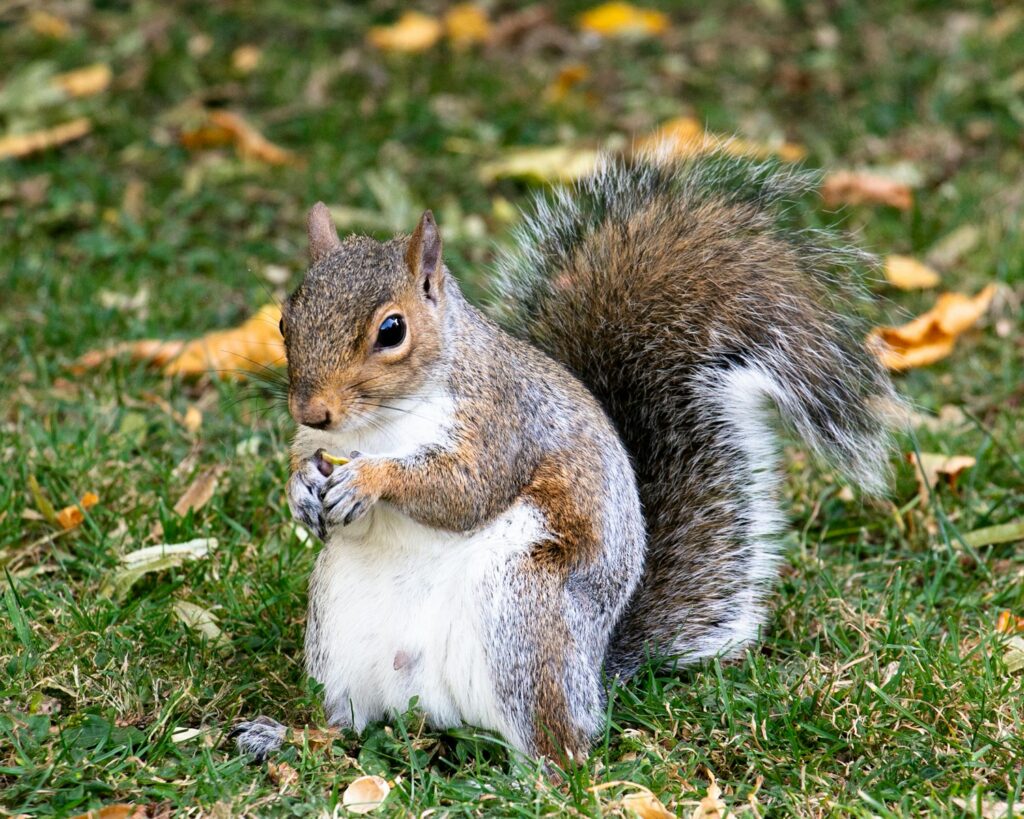
Dogs are descendants of wolves and centuries of evolution have sharpened their prey drive. Squirrels, with their darting movements and unpredictable behaviour, mimic the actions of a potential prey animal. This chase triggers a release of adrenaline, fulfilling a deep-seated need that’s been honed over thousands of years. It’s the dog’s version of a thrilling hunt.
Heightened Senses
Squirrels are masters of distraction. A rustle in the leaves, a flash of fur, or a sudden movement—they turn everyday park elements into high-stakes game alerts. Dogs, with their heightened senses, notice these subtle cues long before humans do. This makes encounters unavoidable in Vancouver’s lush, park-filled environment.
The Reinforcing Cycle
Here’s the tricky part: chasing often feels rewarding for many dogs. They get the thrill of the hunt, the physical exertion, and the attention from their owners (even if that attention is in the form of “Whoa!”). This positive reinforcement inadvertently teaches the dog that chasing leads to a good outcome, making it harder to break the habit.
Training Solutions: Building Better Behaviour
Training is often the most effective long-term solution, but it requires patience and consistency. The goal isn’t necessarily to eliminate the instinct entirely (that’s impossible and not recommended), but to teach your dog alternative, appropriate responses.
1. Leash Reactions Training (Heel Work)
Focus: Teaching your dog to maintain focus on you despite distractions.
- What to Do: Practice walking on-leash in areas without squirrels (like your own backyard or a quiet street). Use high-value treats or toys to reward focusing on you. Ask your dog to “Look at Me,” “Leave It,” or offer a “Quiet” cue.
- Vancouver Context: Start in your neighbourhood and gradually introduce low-distraction environments. Once your dog reliably focuses on you indoors or on-leash in controlled settings, you can slowly introduce mild distractions (like a distant squirrel).
2. The Decoy Method (For Leashed Dogs)
Focus: Using a safe, controllable decoy to simulate the chase without real squirrels.
- What to Do: Use a stick, a rolled-up towel, or a training toy held in your other hand. Simulate a chase (darting, stopping, starting) but keep it under control. Reward your dog heavily for ignoring the decoy or for calmly walking past it.
- Vancouver Context: This works well during leash walks in Stanley Park or other areas with high squirrel activity. Always ensure the decoy is safe and doesn’t encourage the chase itself.
3. Off-Leash Training in Controlled Areas
Focus: Teaching off-leash focus and recall in environments with potential distractions.
- What to Do: Identify a very controlled, low-distraction off-leash area (like a less-trafficked part of a park). Practice strong recall (come when called). Once recall is reliable, practice ignoring distractions.
- Vancouver Context: Areas like the Seymour Narrows Dog Off-Leash Area or parts of Burnaby Mountain might be suitable for advanced training, but always check local rules and regulations first.
4. Target/Stimulus Control
Focus: Teaching your dog to associate the presence of a squirrel with a specific behaviour (like lying down or bringing you an object).
- What to Do: Use a toy or target stick. When a squirrel appears, ask for a specific behaviour before the chase starts. Reward success heavily. Gradually increase the time they spend on the target behaviour before the squirrel fully engages.
5. Enrichment and Mental Stimulation
Focus: Providing outlets for energy and mental engagement to reduce the lure of chasing.
- What to Do: Puzzle toys, snuffle mats, and interactive feeders can tire your dog mentally. Engage them in activities like scent work or nose work, which channel their natural instincts in a positive way.
Management Strategies: Keeping Chases in Check
Sometimes training isn’t enough, or the environment is too unpredictable. Management focuses on preventing chases or minimizing their impact.
1. Leash Management
Keep your dog close: In areas known for squirrels (like Stanley Park or near parks), keeping your dog on a longer leash (e.g., 6-8 foot) can give them more freedom to sniff but still limit their ability to chase down a target. A 6-foot leash offers more freedom than a short one but still allows you to gently guide them away.
2. Harnesses or Head Collars
Redirecting focus: Harnesses or head collars (like the Halti or Gentle Leader) can be used gently to redirect your dog’s head towards you when a chase starts, reminding them of your presence.
3. Timing Your Walks
Avoid peak squirrel activity: Squirrels are most active early in the morning and late in the afternoon. If possible, schedule walks when squirrel activity is lower, though this isn’t always feasible in Vancouver’s parks.
4. Using Barriers
Physical deterrents: In your own backyard or during off-leash training, using a temporary fence or tunnel can prevent dogs from chasing squirrels that dart nearby.
(For Reactive Dogs) **Professional Help
**If your dog’s chasing is extreme or leads to aggression, consider working with a certified Vancouver animal behaviour consultant or dog trainer. They can provide personalized strategies and help manage potential reactivity.
Prevention: Reducing Opportunities for Chasing
While you can’t eliminate squirrels from Vancouver’s parks, you can reduce the chances of chases.
1. Supervise Off-Leash Dogs
Keep an eye on the hunt: When dogs are off-leash, their freedom increases, but so does the risk of a chase. Supervise off-leash dogs closely, especially in areas with high wildlife.
2. Park Etiquette Matters
Respect other dogs and wildlife: Ensure your dog is well-socialized and under control. Be mindful of other dogs and wildlife—don’t let your dog harass squirrels or other animals.
3. Manage Your Own Dog’s Resources
Prevent resource guarding: If your dog chases to get something (like a toy or food), work on preventing this through training. “Leave it” and “drop it” commands can be valuable.
4. Use a Harness for Safety
Controlled movement: A well-fitting harness offers better control than a collar, especially during sudden movements or if you need to quickly redirect your dog.
Conclusion: Patience and Positive Reinforcement
Dealing with a dog that chases squirrels is a common challenge for Vancouver dog owners, but it’s not insurmountable. Remember that training requires time, patience, and consistency. Focus on positive reinforcement—rewarding calm behaviour and redirecting unwanted actions.
Understanding your dog’s triggers, providing appropriate outlets for their energy and instincts, and managing their environment are key steps towards more peaceful walks. Vancouver offers fantastic opportunities for dogs and their owners, and with a little effort, you can significantly reduce those squirrel-induced zooms.
Happy training!