In this story
Why Dogs Jump ΓÇö and How to Stop It in Montreal
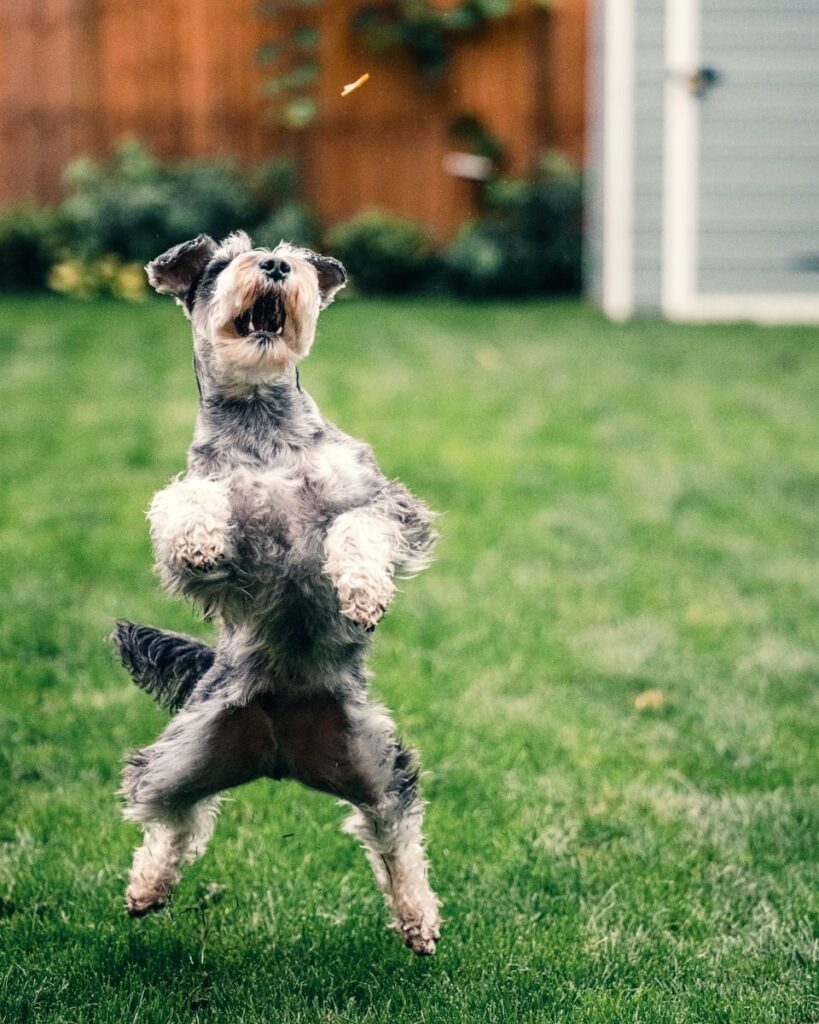
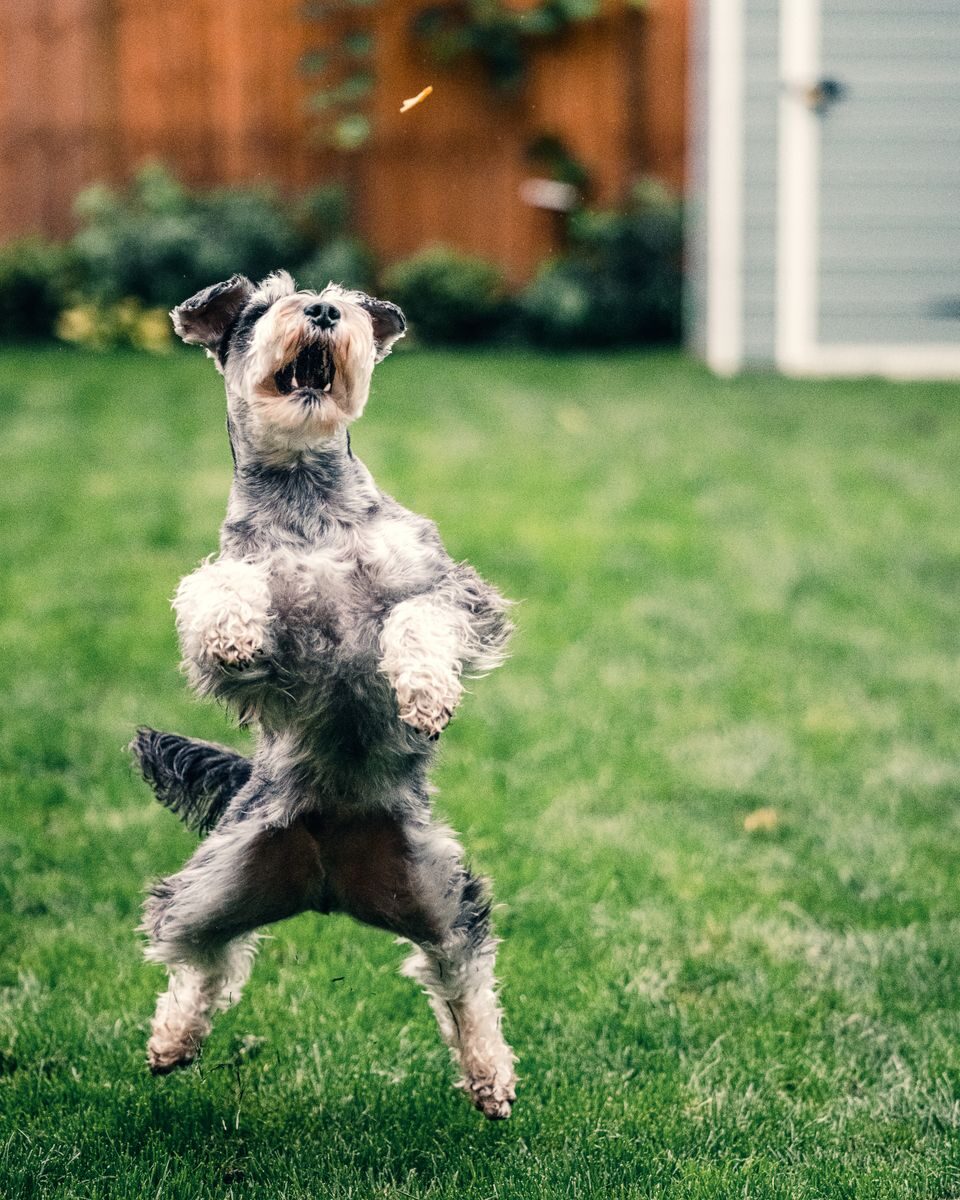
As a Montreal dog owner, you’ve probably witnessed the classic “jumping ΓÇö” display—whether it’s your neighbour’s Labrador greeting you at the Parc Jean-Drape
Understanding the ‘Why’
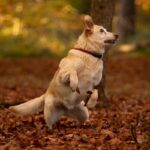
Jumping is a natural form of canine communication, evolved as a way for dogs to assert dominance or gather information from their pack. When your dog leaps onto your lap or greets strangers by bouncing on their shoulders, they’re often following this ancient instinct. Here are the most common reasons:
1. Attention-Seeking
Many dogs have learned that jumping gets them what they want—your attention, food, or playtime. It’s a quick way to break the routine and create excitement.
2. Excitement or Enthusiasm
Jumping can simply be your dog’s energetic way of showing happiness. They might be particularly excited to see you after travelling from McGill University or greeting a familiar visitor.
3. Fear or Anxiety
In some cases, jumping can be a coping mechanism for fear or anxiety. Some dogs jump to appear larger, which can be a way to feel safer or to try to control a situation they find overwhelming.
4. Lack of Clear Leadership
While modern training discourages dominance-based methods, some dogs jump because they haven’t learned that humans are naturally in charge. They may see jumping as an acceptable way to interact.
5. Resource Guarding (Less Common)
Though less typical for jumping, some dogs may display this behaviour if they feel protective of something in your possession.
Practical Solutions for Montreal Dog Owners
Stopping jumping requires patience and consistency. Here are effective, kind strategies:
1. Teach the ‘Sit’ Command
Make sitting the primary greeting behaviour:
- Start Small: Practice when your dog jumps on you at home.
- Use High-Value Rewards: Offer small, soft treats or praise.
- Redirect: As soon as their back paws leave the ground, say “No” or “Off!” and reward them generously for sitting.
- Be Patient: If they jump again, ignore them briefly until they disengage, then reward sitting.
2. Manage the Environment
Preventing opportunities for jumping is key:
- Baby Gate: Install a temporary barrier to keep your dog in another room when you enter if they tend to greet you by jumping.
- Crate or Pen: Provide a safe space they can retreat to if greetings are overwhelming.
- Control Leash: Use a short leash to gently guide them down before they get too excited.
- Avoid Reinforcement: Never reward jumping with attention or treats.
3. Positive Reinforcement Training
Focus on rewarding desired behaviours:
- Catch Them Being Good: Reward calm, polite greetings (sitting, soft barking) immediately.
- Exaggerate Calmness: Model calm behaviour yourself—sit quietly when greeting your dog.
- Social Cues: Teach basic greetings like ‘watch me’ or ‘look at me’ before approaching.
4. Consistency is Crucial
All household members and visitors must use the same commands and responses to effectively stop jumping.
5. Professional Guidance
If jumping is severe or linked to fear/anxiety, consider consulting a certified positive reinforcement trainer in Montreal. Avoid punishment-based methods which can damage trust.
Montreal-Specific Considerations
When greeting other dogs or people at locations like the Old Port or McGill campus, the same principles apply. Practice polite greetings in controlled environments first.
Beyond the Jump: Building a Calm, Polite Companion
Jumping is usually a sign of excitement or a lack of clear communication skills. By teaching your dog what to do instead, using positive reinforcement, and staying consistent, you’ll not only stop the jumping but also strengthen your bond. A well-mannered dog is a more enjoyable companion for all Montreal dog lovers to have around.
Remember: Every dog learns at their own pace. Patience and kindness are your best tools as a Montreal dog owner tackling this common behaviour.