In this story
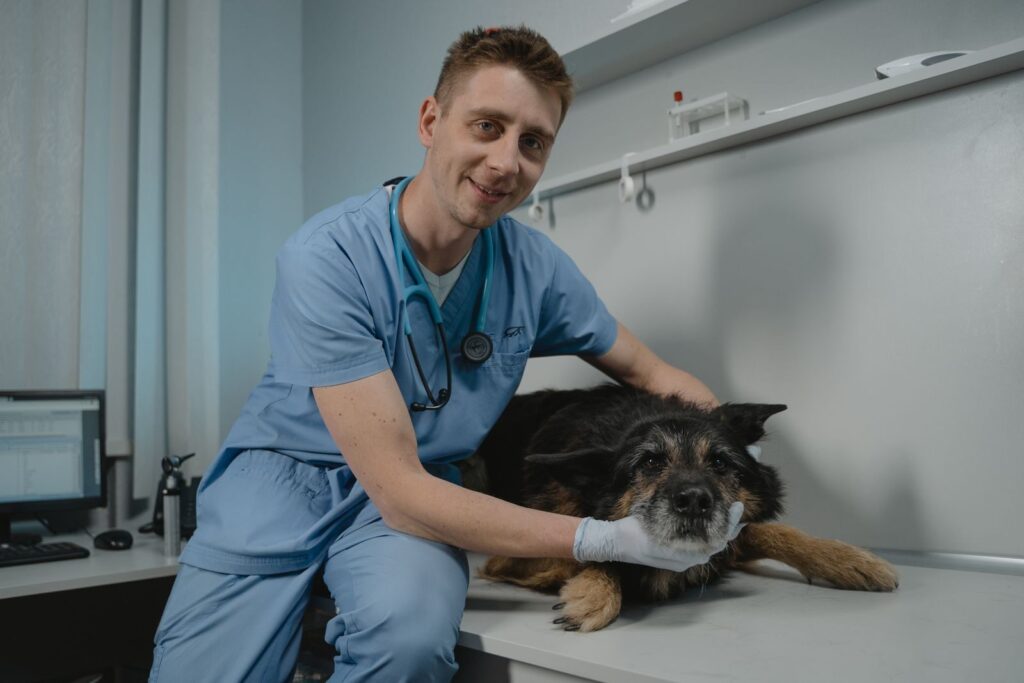
Know When to Call the Vet: Signs Your Vancouver Dog Needs Care
As a proud Vancouver dog owner, you know there’s nothing quite like sharing our beautiful city with our canine companions. From exploring Stanley Park to enjoying salmon season, we’re lucky to have such a wonderful place to call home with our four-legged friends. But being a responsible pet parent means knowing when your dog needs more than just love and attention at home – it means recognizing the signs that indicate it’s time for a veterinary visit.
While most of the time our dogs are perfectly fine, there are moments when subtle changes or sudden symptoms tell us something isn’t right. Ignoring these signs can sometimes lead to more serious health issues down the line. This guide will help you become a better advocate for your dog’s health by teaching you to recognize common indicators that prompt a vet visit.
More Than Just Whining: When Your Dog’s Comfort is Questioned
Sometimes the most telling signs that your dog needs to see the vet aren’t overt symptoms, but rather changes in their normal behavior or routine. Paying attention to these subtle shifts can make all the difference in catching potential health issues early.
Changes in Behavior and Appetite
- Lethargy or Decreased Activity: If your usually energetic dog seems unusually tired, sleeps more than usual, or avoids activities they once loved, it’s worth investigating.
- Changes in Sleeping Patterns: Both increased sleep and restlessness can be signs of something being wrong. Senior dogs might naturally sleep more, but significant changes warrant attention.
- Increased Anxiety or Fearfulness: Notice if your dog seems more apprehensive, nervous, or aggressive than usual. Changes in temperament can indicate pain or illness.
- Grooming Habits: Excessive licking, chewing, or grooming, especially in one specific area, can signal itching, pain, or anxiety.
- Changes in Water Intake: Both excessive thirst (could indicate diabetes, Cushing’s, or kidney issues) and decreased water consumption (could indicate illness or dehydration) are red flags.
- Appetite Changes: A sudden loss of appetite or vomiting after eating could be serious. Puppies and older dogs are particularly vulnerable to these changes.
Vocalizations and Body Language
- Persistent Whining, Barking, or Howling: While dogs express themselves in many ways, constant complaining without an obvious cause should be checked out.
- Hesitancy to Go Outside: If potty training issues reappear or your dog seems reluctant to walk, it could be due to pain or other health problems.
- Avoiding Touch or Handling: If your dog pulls away, growls, or shows aggression when you try to pet or handle them, they might be in pain.
Common Symptoms Requiring a Vet Visit
Beyond subtle behavioral shifts, there are more direct physical signs that clearly indicate your dog needs veterinary attention. These are often easier to spot and should never be ignored.
Gastrointestinal Upset
- Vomiting: Occasional vomiting can be due to eating too quickly or something disagreeable, but persistent or projectile vomiting warrants a vet visit.
- Diarrhea: Loose stools, especially if bloody, containing mucus, or accompanied by straining, should be checked by a vet. Changes in diet or exposure to toxins (like lawn chemicals or human food) can cause this.
- Loss of Appetite with Gastro Issues: If your dog isn’t eating and has vomiting or diarrhea, this is a serious combination.
Difficulty Breathing or Respiratory Issues
- Labored Breathing: Notice if your dog is breathing rapidly, with an open mouth, or using their chest and abdominal muscles excessively.
- Coughing: Persistent coughing, especially if it’s deep, harsh, or productive (bringing up mucus or foam), should be examined.
- Wheezing or Gagging: These sounds indicate potential respiratory or airway obstruction.
Skin and Coat Changes
- Skin Redness, Swelling, or Hot Spots: Infections, allergies, or foreign objects under the skin need veterinary assessment.
- Fever: An elevated body temperature is a clear sign of infection or illness.
- Lumps or Bumps: Any new growths should be checked by a vet.
- Changes in Coat Quality: A dull coat, excessive shedding, or bald patches can indicate poor nutrition, skin issues, or underlying health problems.
Pain and Mobility Issues
- Lameness or Reluctance to Walk: Notice if your dog is favoring a leg, limping, or hesitant to put weight on any limb.
- Stiffness, Especially After Rest: Sudden stiffness, particularly upon waking or after inactivity, can indicate joint problems.
- Aggression or Fear Around Certain Areas: If your dog snaps, growls, or shows fear when you touch specific parts of their body, they might be in pain.
- Excessive Panting: While panting is normal for dogs, excessive or panting without exercise or heat could indicate pain, anxiety, or heatstroke.
Other Telltale Signs
- Dehydration: Look for dry gums, loss of skin elasticity (tent test), or decreased energy levels.
- Difficulty Eliminating: Straining, crying out during bathroom breaks, or accidents in the house can indicate urinary or fecal tract issues.
- Sudden Weight Loss: Unexplained weight loss, especially in older dogs, requires investigation.
- Excessive Drinking or Urination: Changes in water intake or urination frequency can signal kidney disease, diabetes, or other conditions.
When to Seek Emergency Care Immediately
While many issues can be addressed during routine veterinary visits, some require immediate attention. Knowing the difference between a regular check-up and an emergency can save precious time and potentially your dog’s life.
Emergency Symptoms
- Collapse or Seizures: Sudden loss of consciousness or uncontrolled shaking is a medical emergency.
- Difficulty Swallowing: Inability to eat or drink normally requires urgent assessment.
- Obvious Trauma: Significant injury, broken bones, or deep wounds need immediate veterinary care.
- Bleeding: Profuse bleeding from any wound or body part requires emergency treatment.
- Severe Pain: Obvious signs of extreme distress or inability to move comfortably.
- Bloat (Gastric Dilatation-Volvulus – GDV): A life-threatening condition common in deep-chested breeds, characterized by a swollen abdomen and inability to bark or breathe.
- Euthanasia Consideration: If your dog is suffering and the prognosis is poor, consult your vet about humane options.
The Importance of Regular Check-ups
While focusing on the signs that necessitate a vet visit is crucial, don’t forget the importance of preventative care. Regular wellness exams allow your veterinarian to monitor your dog’s health proactively, often catching issues before they become apparent to you.
- Annual or Biannual Wellness Visits: These routine check-ups are essential for vaccinations, parasite prevention, and early detection of health problems.
- Vaccinations and Parasite Control: Keeping vaccinations up-to-date and managing fleas, ticks, and worms is vital for your dog’s health in Vancouver’s unique environment.
- Discussing Your Dog’s Lifestyle: Be prepared to share details about your dog’s diet, activity level, and any changes in their routine with your vet.
Keeping Your Vancouver Dog Happy and Healthy
Living in Vancouver means enjoying the great outdoors with our dogs, from exploring Stanley Park to beach days or salmon watching. Being attuned to your dog’s needs ensures these adventures are safe and enjoyable for everyone. By learning to recognize the signs that indicate your dog needs veterinary care, you’re taking an important step in being the best pet parent you can be.
Remember, you’re not alone in this journey. Your veterinarian is your partner in ensuring your dog lives a long, healthy, and happy life in beautiful Vancouver. Don’t hesitate to reach out if you notice anything unusual – their health is worth it.
Disclaimer: This information is for educational purposes only and does not constitute veterinary advice. Always consult with a qualified veterinarian for professional medical advice regarding your pet’s health.
Related posts:
 When to Call the Vet: Signs Your Toronto Dog Needs Urgent Care
 Know When Your Dog Needs a Vet Visit: Signs to Watch For
 When to Call the Vet: Signs Your Brampton Dog Needs Help
 Signs Your Dog Needs the Vet: A Guide for Ottawa Pet Owners
 When to Take Your Winnipeg Dog to the Vet: Recognizing the Signs