In this story
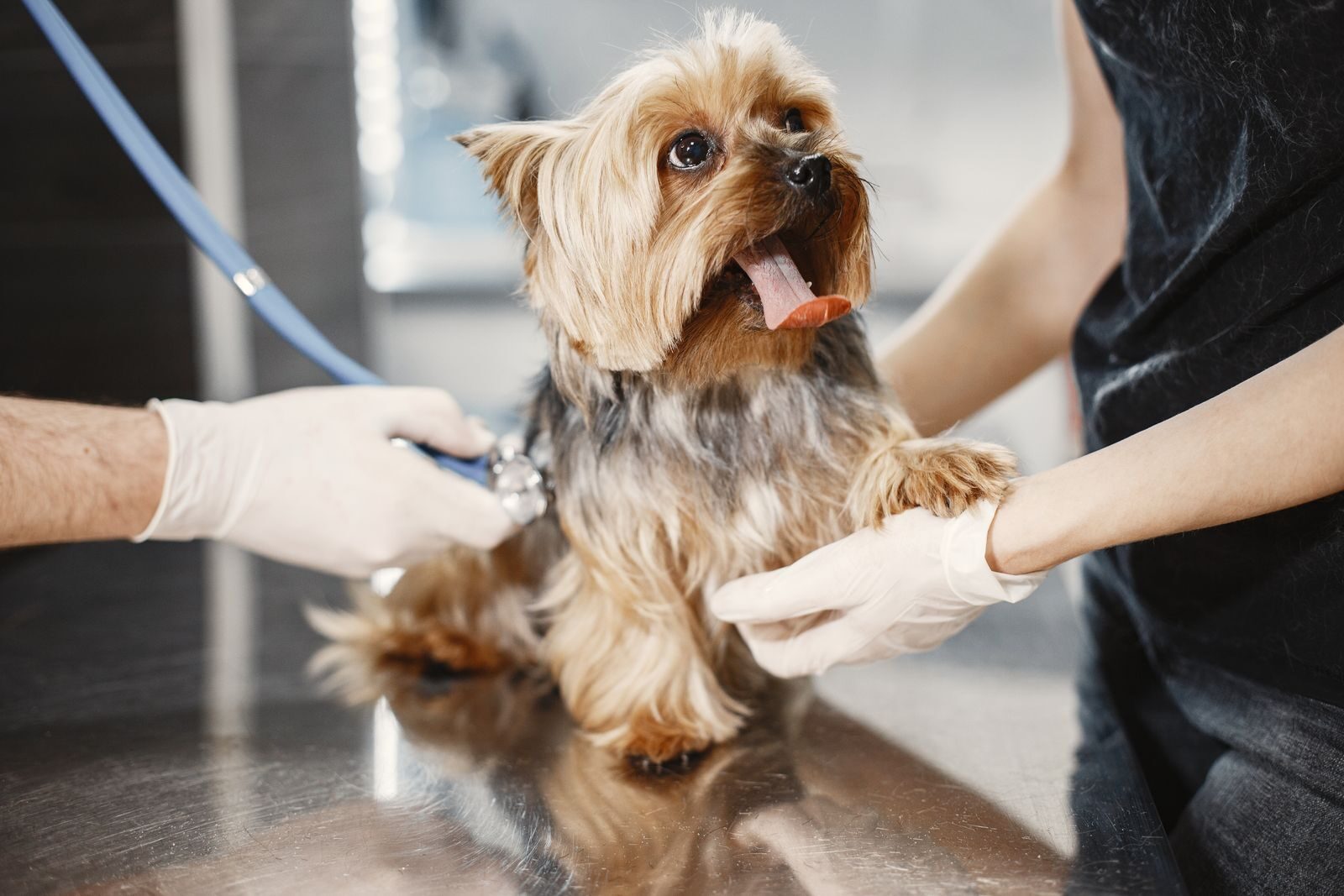
When to Take Your Winnipeg Dog to the Vet: Recognizing the Signs
Owning a dog in Winnipeg comes with the joys of a loyal companion and the unique beauty of our winters. But it also means being a vigilant guardian of their health. As responsible pet parents, we’re always watching for signs that our dogs are happy and healthy. However, sometimes subtle changes or sudden issues can indicate something more serious needs attention from the Winnipegvet professionals.
Knowing when to call the vet is crucial for your dog’s wellbeing, especially considering our city’s unique climate and lifestyle. While minor issues might resolve themselves, certain signs warrant a trip to the veterinary clinic to ensure your best friend gets the care they need.
This guide will help you recognize those critical moments when your Winnipeg dog truly needs to see a veterinarian. Let’s dive into the key indicators.
Behavioral Changes: More Than Just Mood Swings
Dogs often communicate distress through changes in behavior before physical symptoms appear. While occasional shyness or mood changes can be normal, these signs might indicate underlying health problems:
- Sudden Aggression or Fearfulness: Any marked change in temperament, especially if it’s new or unprovoked, should be checked out. Pain, illness, or anxiety can be triggers.
- Lethargy and Inactivity: If your usually energetic dog becomes unusually quiet, sleeps more than usual, or shows little interest in play, it could be a sign of pain, infection, or systemic illness.
- Separation Anxiety Worsening: If anxiety around you leaving becomes more severe or includes destructive behavior, it might be linked to stress or an underlying medical issue.
- Altered Social Interaction: Notice if your dog becomes overly clingy with you or aloof with familiar people or other animals. This can signal pain, illness, or cognitive dysfunction in senior dogs.
- House Soiling (Again): While accidents can happen, a return to potty training accidents after a period of reliability, especially in a housetrained adult dog, can indicate pain, anxiety, or age-related issues.
Physical Symptoms: What to Look For
Many physical signs are clear indicators that your dog needs professional evaluation:
Eyes and Nose
- Watery, Red, or Swollen Eyes: Can indicate allergies, infection (like conjunctivitis), trauma, or foreign bodies.
- Discharge: Clear discharge might be normal, but green or yellowish discharge often signifies infection.
- Cloudy Cornea (Blue Eye): Can be a sign of corneal ulcers, which are painful and require immediate attention.
- Persistent Sneezing or Facial Scratching: Could point to allergies, sinus issues, or irritants.
- Nose Changes: While dogs’ noses can vary, persistent runny nose, sneezing, or nasal discharge warrants a check-up.
Skin and Coat
- Rashes, Hives, or Hot Spots: Can be due to allergies, infections, parasites, or autoimmune issues.
- Hair Loss (Hairballs are normal, but alopecia isn’t): Indicates potential health problems like allergies, hormonal imbalances, or skin conditions.
- Severe Itchiness: Constant scratching, licking, or biting can lead to hair loss and skin damage.
- Winnipeg Note: Our harsh winters might lead to more dry skin, but persistent flaky or red skin warrants a vet visit beyond basic moisturizing.
Ears
- Redness, Odor, or Discharge: Signs of ear infection (otitis externa), which is common and often painful.
- Frequent Head Shaking or Rubbing: Can be signs of ear discomfort.
Mouth and Teeth
- Bad Breath: Persistent halitosis can indicate dental disease, which goes beyond simple plaque.
- Drooling: Excessive drooling can be from oral pain, anxiety, foreign objects, or poisoning.
- Difficulty Chewing or Eating: Pain in the mouth or throat requires attention.
- Swollen Gums or Red, Bleeding Gums: Signs of gingivitis or periodontal disease.
Eyes Revisited
- Yellow or Green Discharge: Indicates potential infection or inflammation.
- Bleeding: Can be due to trauma, infection, or serious conditions like glaucoma.
- Protruding Third Eyelid Membrane (Haw): Usually indicates pain or illness.
Digestive Upset
Gastrointestinal issues are common, but certain signs suggest veterinary care is needed:
* Vomiting (Especially Frequent or with Blood): Occasional vomiting can be due to eating too fast or something disagreeable, but persistent vomiting, especially with blood, indicates a problem.
* Diarrhea (Especially with Blood or Mucus): While mild diarrhea can resolve itself, bloody diarrhea or diarrhea lasting more than 24-48 hours requires a vet visit. It can indicate infection, dietary issues, parasites, or more serious conditions.
* Constipation: Difficulty defecating or infrequent bowel movements can be serious, especially if accompanied by straining.
* Loss of Appetite Combined with GI Symptoms: This combination can be particularly concerning.
* *Winnipeg Consideration: Eating snow or dirt (pica) might occur in winter, but if persistent, check with your vet.
Signs of Pain
Dogs often hide pain, so learning to read the signs is vital:
* Whining, Howling, or Barking: Especially in specific situations or when touched.
* Avoiding Movement or Lameness: Reluctance to jump, climb stairs, or walk normally.
* Licking or Chewing Injured Areas: A clear sign of discomfort.
* Aggressive Behavior Towards Legs or Body: Pain causing fear or reactivity.
* Excessive Panting (Not Due to Heat): Can indicate pain, anxiety, or breathing difficulties.
* Flinching or Sensitivity to Touch: Especially in unusual spots.
* *Winnipeg Note: Arthritis becomes more common in colder months or with age, affecting mobility significantly.
Other Important Signs
- Difficulty Breathing: Labored breathing, rapid breathing, coughing, or blue-tinged gums are emergencies.
- Collapse or Weakness: Sudden fainting or inability to stand requires immediate emergency care.
- Seizures: Any first-time seizure or persistent seizures need urgent evaluation.
- Difficulty Swallowing: Can indicate choking, foreign body, or serious health issues.
- Signs of Poisoning: Ingestion of toxins (household chemicals, plants, chocolate, certain garbage) is a medical emergency. Keep the Winnipeg Humane Society’s poison control information handy.
- Wounds or Injuries: Bleeding, deep punctures, embedded objects, fractures, or severe burns need professional care.
When to Schedule Regular Vet Visits
Beyond acute signs, certain situations necessitate routine veterinary care:
- Annual Wellness Exams: Crucial for preventative care, vaccinations, parasite control, and early detection of disease. Schedule these even if your dog seems perfectly fine.
- Changes in Weight: Unintentional weight loss or gain can indicate serious health problems.
- Senior Dogs (Usually Age 7+): More frequent check-ups (e.g., twice a year) can help manage age-related conditions.
- Puppy and Kitten Visits: Following the vet’s schedule for vaccinations and parasite prevention.
Conclusion: Your Responsibility as a Winnipeg Dog Owner
Recognizing when your dog needs veterinary attention is a fundamental part of responsible pet ownership here in Winnipeg. From behavioral shifts to subtle physical changes, your observations are your dog’s best defense.
Don’t hesitate to contact your local veterinarian or the emergency services if you notice any concerning signs. A little vigilance can make a big difference in ensuring your furry family member enjoys a happy, healthy life in our great city.
Proactive care today ensures peace of mind tomorrow.