In this story
Calm Walks for Reactive Dogs: A Winnipeg Guide
Let’s chat about this together. Walking your reactive dog can feel like navigating a minefield, especially in a city as unique as Winnipeg with its distinct seasons and landscapes. Reactivity—whether it’s fear, anxiety, or just a bit of “yelling” at other dogs or loud noises—can make even the most experienced Winnipeg dog owner feel stressed. But don’t worry, you’re not alone. We’ve got practical, kind advice tailored to help you and your furry friend enjoy safer, more peaceful walks right here in our city.
Understanding reactivity is the first step towards managing it effectively. It’s not about blaming your dog; it’s about understanding their world and helping them feel safe. A reactive dog might bark, growl, snap, or rush away when faced with certain sights, sounds, or smells. Common triggers in Winnipeg could include other dogs on the trails, cyclists on the paths, loud city noises like construction or sirens, or even the way the wind carries unfamiliar scents.
Preparing for a Calmer Walk
Before you even put on the leash, there are things you can do to set yourself and your dog up for success:
1. Manage Your Own Energy
This is crucial! Your dog picks up on your stress cues. Try to walk calmly, focusing on your breathing. If you’re feeling overwhelmed, it’s okay to skip the walk or choose a different route. Winnipeg offers plenty of green spaces, so sometimes a quieter option is needed.
2. Prepare Your Dog (If Possible)
While dogs can’t wear headphones, there are ways to prepare:
- Calming Treats: Keep a small supply of high-value treats handy. These can be used preemptively or immediately after encountering a trigger to redirect focus.
- Muzzles (If recommended by your vet or trainer): In some cases, a properly fitted muzzle can prevent mouthing during unavoidable encounters, making the experience less stressful for both of you.
- Desensitization Exercises: Practice walking past triggers at a distance where your dog remains calm. You can even do this indoors using videos or scented items.
3. Indoor Exercise and Mental Stimulation
A tired dog is often a calmer dog. Ensure your reactive dog gets plenty of indoor playtime, training sessions, or mentally engaging activities before heading out. This helps burn energy and teaches focus, making them less likely to react impulsively on the trail.
Walking Your Reactive Dog: In the Moment
When you’re out and about, your approach can significantly impact the outcome:
1. Leash Choice Matters
A loose leash offers more freedom and reduces your dog’s feeling of being constrained, which can lower reactivity. A harness is often more comfortable and less restrictive than a collar, allowing for better control without pressure on their neck.
2. The Pause and Play Technique
Instead of rushing past a trigger, sometimes a slow approach followed by a quick reward or distraction can help your dog associate the trigger with positive outcomes:
- Approach the trigger at a very safe distance.
- Pause and offer a highly motivating treat or toy.
- If your dog reacts, calmly wait them out or move away briefly, then try again.
- The goal is to help them learn that the trigger doesn’t necessarily mean danger.
3. Management Strategies
Sometimes, the best approach is to manage the environment:
- Keep Distance: Winnipeg’s wide-open spaces like Kildonan Park or the river pathways allow you to maintain a safe distance from triggers.
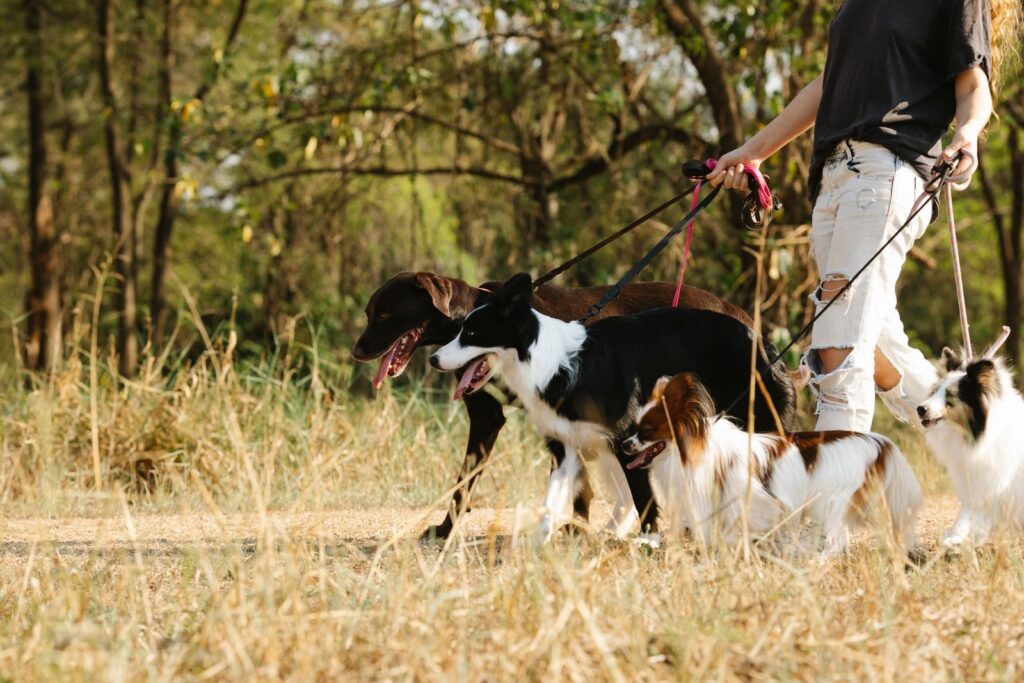
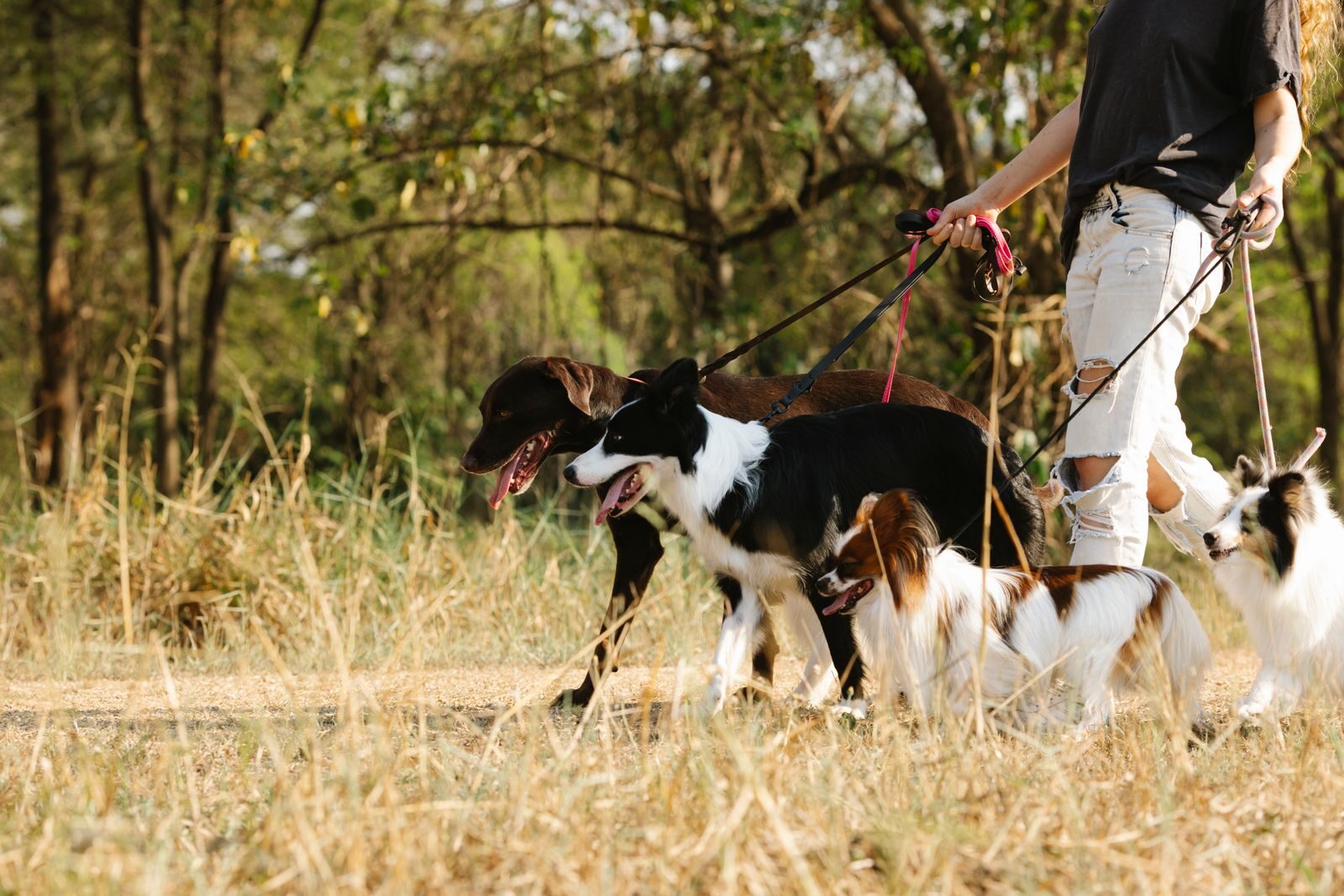
- Use Barriers: Long leashes can create a “safe zone” around your dog, allowing you to keep them at a distance from unwanted stimuli.
- Route Selection: Know the areas of Winnipeg that tend to be quieter. Perhaps a walk through Mosaic Creek in the morning instead of a busy downtown trail? Knowing your city helps!
- Timing: Pay attention to Winnipeg’s seasons. Calmer walks might be easier during calmer weather or times of day when activity is lower.
4. Handling Reactions
If a reaction occurs:
- Stay Calm: As mentioned, your calmness is key.
- Don’t Reinforce: Avoid petting or comforting your dog excessively during or immediately after a reaction, as this can sometimes reinforce the behaviour.
- Reward Calmness: As soon as the trigger passes or the reaction subsides, reward your dog for calm behaviour.
- Move On: Don’t linger where the trigger was strong. Sometimes a quick exit is the best strategy.
5. Winnipeg-Specific Considerations
- Weather: Cold weather might make your dog more cautious or less reactive due to discomfort, but it can also make them more sensitive to sudden movements or sounds.
- Trail Etiquette: Be mindful of other trail users. While you’re managing your reactive dog, they should also be managing theirs around you! Keep walks positive for everyone.
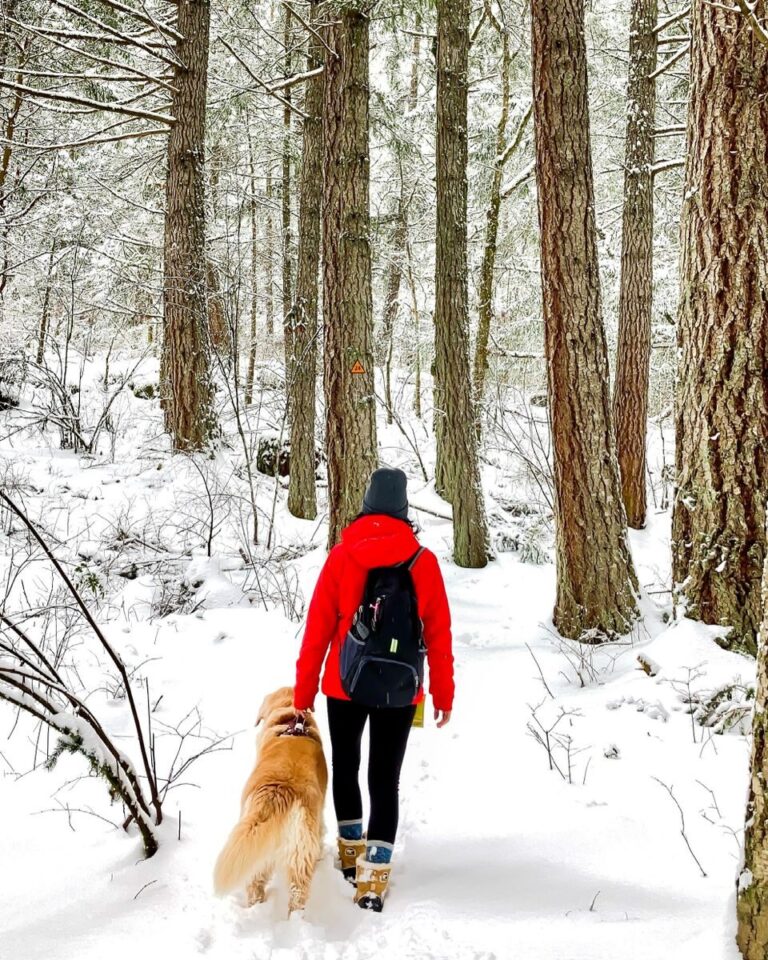
- Snow and Ice: Ensure your dog’s paws are protected on snowy days, as discomfort can add stress.
Long-Term Management and Winnipeg Resources
Managing reactivity is often an ongoing process. Quick fixes aren’t usually the answer; instead, focus on gradual desensitization and counter-conditioning with the guidance of a qualified professional.
Working with Professionals
Finding good help is vital. Look for Winnipeg trainers who specialize in positive reinforcement methods and have experience with reactivity. Organizations like the Winnipeg SPCA or local humane societies can sometimes provide resources or referrals.
Patience and Consistency
This journey takes time and patience. Celebrate small victories. Every calm moment adds up. Consistency between walks and home training is key.
Support Networks
Connect with other Winnipeg dog owners facing similar challenges. Sharing experiences and tips can be incredibly validating and helpful.
Wrapping Up: Winnipeg Walks with Confidence
Walking your reactive dog in Winnipeg doesn’t have to be a constant battle. By understanding your dog, preparing effectively, managing situations calmly, and seeking professional guidance when needed, you can turn walks into safer, more positive experiences for both of you. Winnipeg is a beautiful city to explore with your best friend—let’s work together to make those walks calmer and more enjoyable.