In this story
Stop Resource Guarding Early: A Guide for Hamilton Dog Owners
Resource guarding can be a challenging behavior for any dog owner to deal with. It involves protecting resources like food, toys, or even your attention. While it’s a natural instinct for dogs, it can lead to aggression if not addressed early. This guide provides practical advice for Hamilton dog owners to recognize and manage resource guarding before it escalates.
What is Resource Guarding?
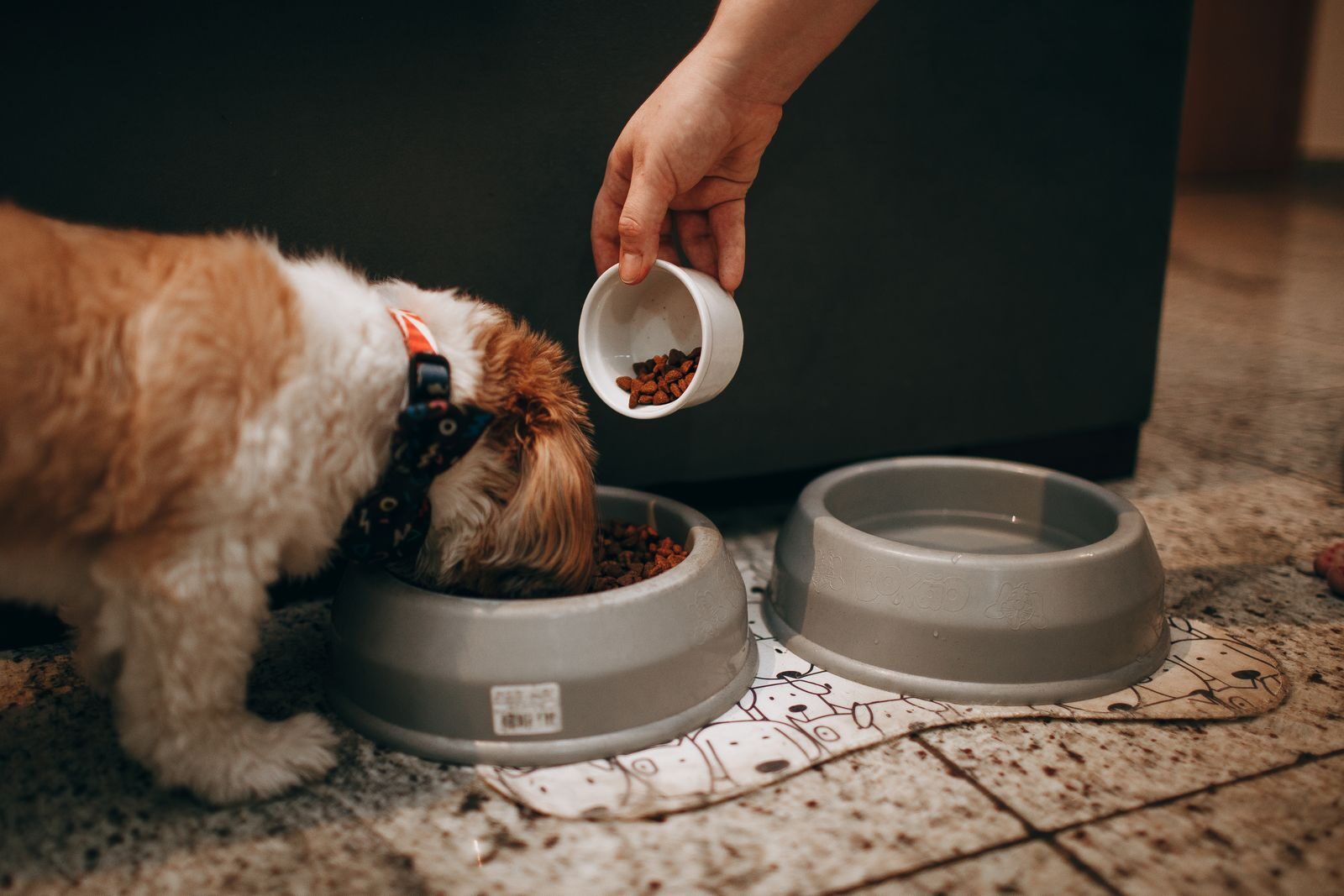
Resource guarding is when a dog shows possessiveness or aggression towards something they value. This could include their food bowl, a chew toy, a piece of furniture, or even your lap. The underlying message to your dog is: “This is mine, and you need to back off.”
While guarding territory is a natural canine behavior, excessive or aggressive guarding of resources can be problematic. It can lead to fear-based aggression, reactivity, and even physical harm if not addressed.
Recognizing Early Warning Signs
The good news is that resource guarding often shows early signs. Catching these early allows for gentle and effective management:
Common Early Signs
- Stiffening: Does your dog’s body become rigid when approached near their resource?
- Alertness: Does their head snap up or ears flatten when someone nears their food or bed?
- Possessive Posturing: Do they pin their ears back or turn their body partially away?
- Subtle Vocalizations: A low growl, lip licking, or a warning snap (without teeth showing) can be early indicators.
- Resource Movement: Does your dog move the item away from you (e.g., nudge food away)?
- Focus on You: Do they suddenly fixate on you when you’re reaching for something they value?
Context Matters
- Timing: When does the behavior first appear? Is it consistently at meal times, or only sometimes?
- Intensity: Is it a fleeting stiffening, or does it escalate quickly to snapping?
- What’s Being Guarded? Is it food, a toy, your person’s spot, or something else?
Why Early Intervention is Crucial
Addressing resource guarding early is vital for several reasons:
Preventing Escalation
Small signs like lip licking or a warning growl can quickly escalate to snapping or biting if not addressed. Early focus prevents this progression.
Reducing Stress for Everyone
Chronic guarding creates anxiety for the dog and fear for you or other family members. Early management helps create a calmer home environment.
Avoiding Professional Challenges
Early, consistent management often resolves issues without needing intensive professional intervention, saving time and stress.
Practical Strategies for Early Prevention and Management
Positive, consistent training is key. Here are some approaches tailored for Hamilton dog owners:
1. Practice Relaxed Resource Handling
- Become a Calm Resource: Sit calmly next to your dog’s food bowl. Ensure they feel comfortable with your presence. This teaches them you’re not a threat to their resources.
- Gradual Desensitization: If your dog shows guarding, briefly remove yourself. Reward calm behavior with treats. Gradually increase the time you’re present.
2. Use High-Value Treats Wisely
- Reward Calm Focus: When your dog looks at you calmly while guarding, reward them with a highly desirable treat.
- Teach ‘Leave It’: This command is invaluable. Practice using “Leave It” for toys, food, or other triggers. Reward compliance generously.
- Positive Association: Never force-feed or take resources away. This can increase guarding. Always use positive reinforcement.
3. Manage Situations Proactively
- Controlled Access: Initially, manage access to resources. For example, eat meals together or use slow-feeder bowls to extend eating time and reduce guarding pressure.
- Supervised Snacking: If sharing snacks, do so in a controlled environment. Ensure everyone gets their own treat calmly.
- Designate Safe Spaces: Ensure your dog has a quiet, secure space (like a crate or a room) where they can retreat calmly without competition.
4. Consistency is Key
- All Handlers: Ensure everyone in the household uses the same approach and commands.
- Patience: Change takes time. Celebrate small successes and remain patient.
5. Timing Matters
- Don’t Punish Past Behavior: Focus on preventing future incidents. Punishing past guarding can create fear and association problems.
- Immediate, Low-Key Correction: If a guarding incident occurs, calmly interrupt it (e.g., “Oh!” or a light touch) and reward calm behavior.
6. Hamilton-Specific Considerations
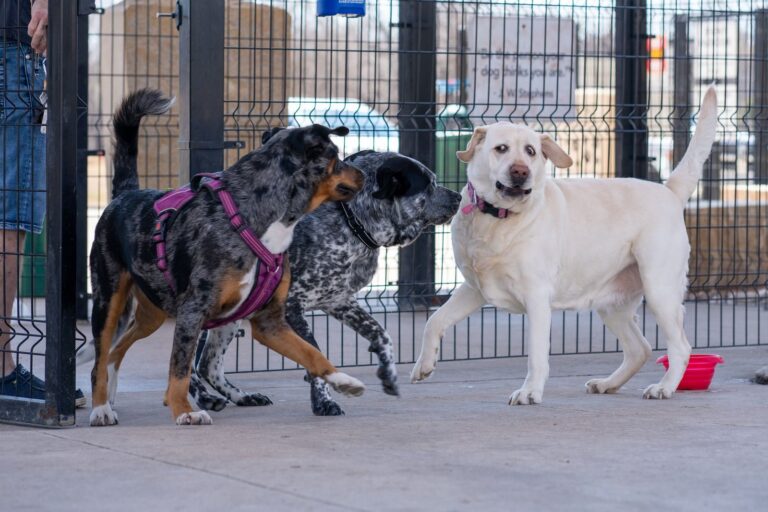
- Public Spaces: While enjoying parks like the Salmon Festival Grounds or Gore Park, be mindful of other dogs. Keep interactions positive and manage valuable items carefully if your dog shows any guarding tendencies.
- Community Resources: Hamilton offers great resources like the Animal Services Division for reporting severe cases or seeking information, and local training groups through organizations like the Hamilton Dog Training Club.
When to Seek Professional Help
While early prevention is powerful, sometimes extra support is needed:
- Consistent Guarding Despite Efforts: If you’ve tried management techniques and guarding persists or escalates.
- Aggressive Behavior: If your dog snaps, bites, or shows extreme fear associated with resources.
- Severe Anxiety: If resource guarding is accompanied by severe stress or fear.
Hamilton’s area has experienced veterinarians and certified trainers who specialize in behavior. They can provide tailored strategies. Look for professionals with credentials like CDBC (Certified Dog Behavior Consultant).
Wrapping Up
Stopping resource guarding early in Hamilton isn’t about dominance or punishment. It’s about understanding your dog’s needs and building trust through positive, consistent training. By recognizing early signs and practicing gentle management techniques, you can help your dog feel secure and prevent guarding behaviors from becoming a serious issue. A proactive approach fosters a safer, more harmonious relationship with your furry companion.
Related posts:
 How to Train a Reliable Recall in Hamilton
 Creating Harmony: Best Practices for Multi-Dog Households in Hamilton
 Keep Your Hamilton Home Counter-Clean: A Guide to Stopping Counter-Surfing
 The Magic of Positive Reinforcement: Why It Works for Hamilton’s Dogs
 Boosting Your Dog’s Confidence in Hamilton