In this story
Boosting Your Hamilton Dog’s Confidence: A Compassionate Guide
Dogs are natural explorers, always curious about their world. When your dog in Hamilton approaches new situations with curiosity and bravery, it’s confidence in action! Building confidence isn’t just about making them “smarter” – it’s about helping them feel safe, secure, and capable in their environment.
Whether your dog is a hesitant newcomer to Hamilton or has moments of uncertainty, boosting their confidence can transform their daily life, making walks more pleasant and playdates less stressful. This guide offers practical, compassionate ways to help your dog thrive.
Understanding Canine Confidence
Before diving into exercises, it helps to understand what confidence looks like in dogs:
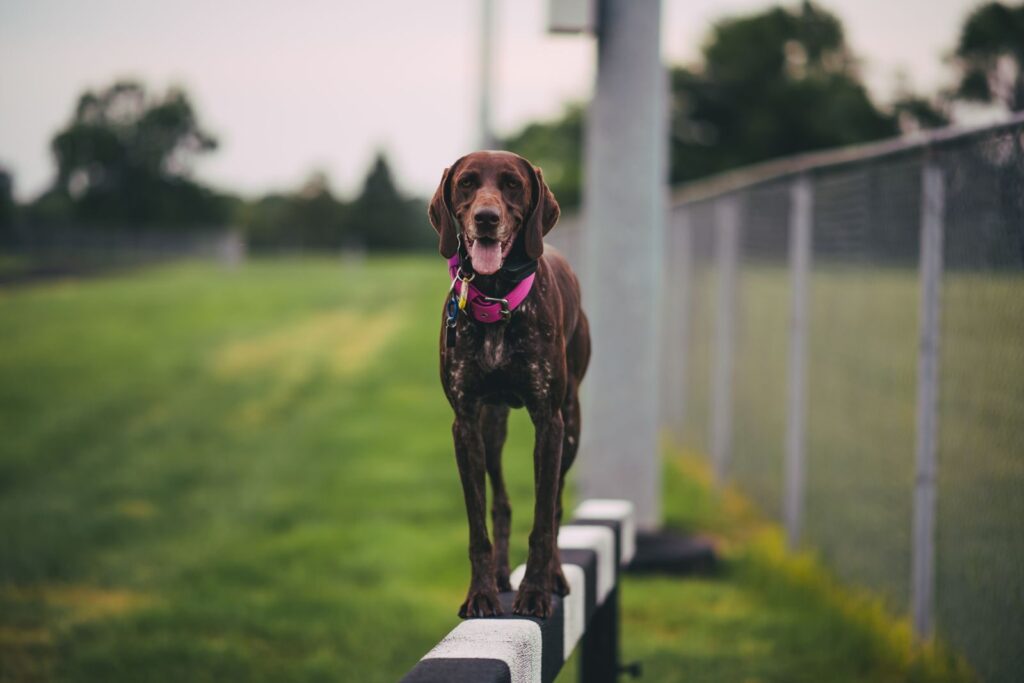
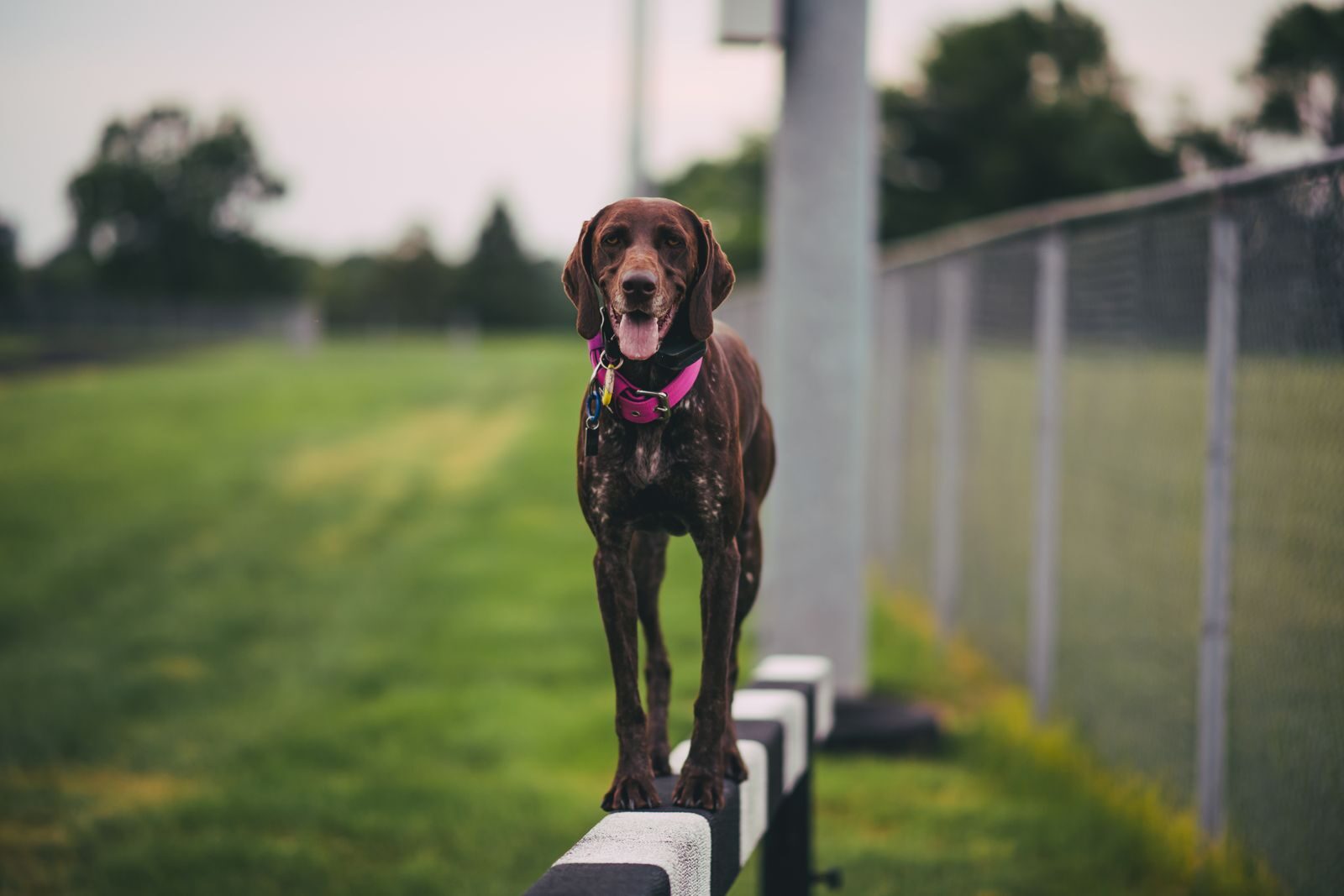
- Confident dogs typically show relaxed body language (soft eyes, loose body, slow tail wags), approach new things willingly, and are usually more resilient to stress or fear.
- Confidence isn’t about being fearless – even confident dogs may feel uncertain sometimes. It’s about having the tools to manage that uncertainty effectively.
- Think of it like building muscle: consistent, positive practice strengthens your dog’s “mental muscle” for handling new experiences.
Why Confidence Matters in Hamilton
Hamilton offers diverse environments – from busy Queen Elizabeth Park to the quieter trails of Salmon Creek Dog Park. A confident dog can navigate these spaces more easily. Good confidence also leads to:
- Healthier social interactions with other dogs and people
- Better focus during training sessions
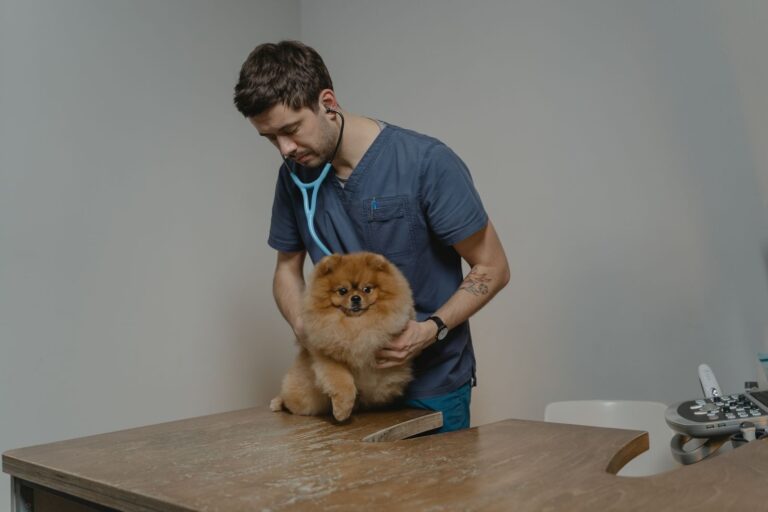
- Reduced stress during everyday activities like vet visits
- A more enjoyable companionship experience for you!
Practical Steps to Build Your Dog’s Confidence
Here are several evidence-based approaches you can start using right away:
1. Master Positive Reinforcement
This is the cornerstone of building confidence. Reward desired (or even just neutral) behavior generously.
- Use high-value rewards: Food treats, favorite toy, a brisk walk – whatever your dog truly loves!
- Mark the moment: Use a clicker or a distinct verbal marker (like “yes!”) to precisely mark the behavior you want, then give the reward.
- Be patient: Confidence grows one small success at a time. Celebrate every effort.
2. Practice Controlled Exposure
Gradually introduce your dog to things that might cause slight worry, always ensuring they have an “out” if needed, and pairing it with positive experiences.
- Identify triggers: What makes your dog hesitate? (e.g., other dogs, vacant chairs, loud noises, new furniture).
- Start small: Begin from a distance or behind a barrier if needed.
- Pair it with rewards: Have high-value treats ready. Your dog should feel rewarded for simply being curious or present.
- Ensure success: Only move to the next level when your dog is relaxed or only mildly interested.
3. Enrich Their Environment
Mental and physical stimulation builds confidence by providing success experiences.
- Hide-and-seek: Hide treats or toys around the house or yard.
- Snuffle mats or tunnels: Encourage natural foraging behavior.
- Casual foraging: Scatter treats on walks or during meals.
- Weather-appropriate activities: In warmer months, agility classes (check Hamilton Dog Sports Association) or nosework games (Hamilton Humane Society offers workshops) can be confidence boosters!
4. Focus on Body Language Calmness
Your own calm demeanor is contagious!
- Stay relaxed: Avoid pulling on leash or showing high excitement yourself.
- Model desired behavior: If you’re calm, your dog is more likely to feel calm too.
- Read their signals: Learn dog body language so you can recognize when your dog is becoming overwhelmed and give them a break.
5. Use “Desensitization” Techniques
For specific fears, gradually reduce the intensity or impact of the trigger.
- Example: If your dog is scared of the vacuum cleaner:
- Start with the vacuum off nearby.
- When they’re calm, turn it on briefly.
- Gradually increase duration and volume over many sessions.
- Always pair it with a highly valued reward.
6. Practice Recall Reliability
Knowing your dog reliably when called gives them a powerful tool and you a safety net.
- Make it fun: Call them for a game or a quick reward.
- Keep it short: Start with just a few seconds.
- Never call when you’re about to do something scary (e.g., grab a vacuum).
7. Controlled Socialization
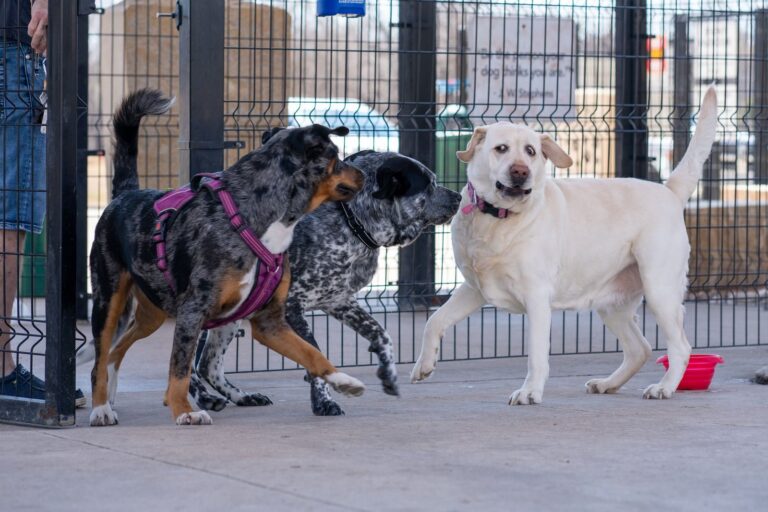
Positive interactions with other friendly, relaxed dogs can build confidence.
- Start carefully: Begin in neutral territory (like a less busy part of Salmon Creek Dog Park).
- Keep first meetings brief: Watch body language closely. If either dog seems tense, end the interaction.
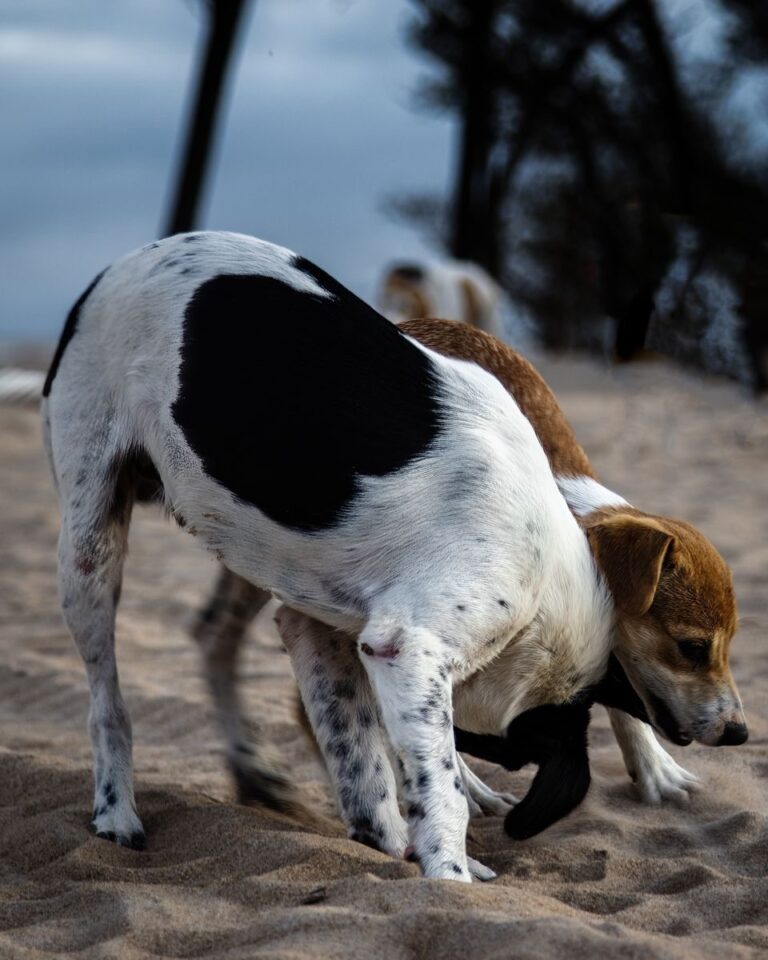
- Focus on fun: Let them sniff and decide. Reward calm or curious behavior.
8. Consider “Distraction Training”
Teach your dog to focus on you despite distractions.
- Basic command: Practice saying “Look at me” or “Focus”.
- Add distractions: Start with low-level distractions, then gradually increase.
- Reward focus: Mark and reward when they look at you despite the distraction.
Local Resources & Community Support
Hamilton has great resources:
- Hamilton Humane Society: Offers workshops and advice.
- Hamilton Dog Sports Association: Find local agility and training groups.
- Local Dog Trainers: Search for certified positive reinforcement trainers in the Hamilton area.
- Online Communities: Check out local Facebook groups for Hamilton dog owners.
Important Considerations
- Be patient: Building confidence takes time and consistency.
- Patience is key: Celebrate small victories!
- Know your dog: Tailor these methods to your dog’s unique personality.
- Seek help if needed: If confidence issues are severe or linked to fearfulness/phobia, consult a professional.
Conclusion: Celebrating Your Dog’s Journey
Building your Hamilton dog’s confidence is an ongoing partnership. By using positive methods, understanding their needs, and celebrating their efforts, you’re helping them navigate the wonderful, sometimes challenging, world around them. Every moment of bravery, every relaxed exploration – it’s progress worth celebrating!