In this story

Beyond the Leash: Why Your Hamilton Dog Needs Mental Stimulation More Than More Exercise
As a proud Hamilton pet owner, you’re likely familiar with the age-old advice: “Take your dog for more walks!” While physical exercise is undeniably crucial for your dog’s health, there’s another type of activity that often gets overlooked—and it’s vital: mental stimulation.
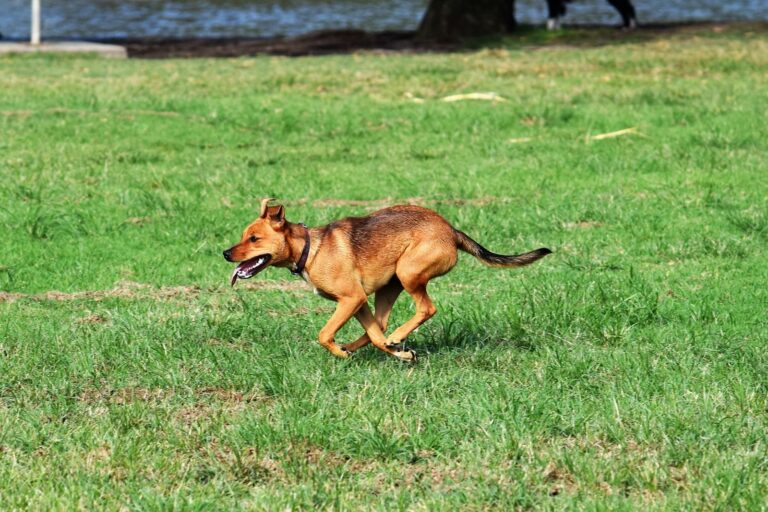
We often think of exercise in terms of physical exertion—fetching in the park, runs at the dog track, or exploring new neighbourhoods. But what if I told you that activities designed to challenge your dog’s mind could be even more beneficial for their overall well-being, happiness, and behaviour? This isn’t to diminish the importance of physical activity, but rather to highlight that mental exercise might be the cornerstone of a truly fulfilling life for your canine companion.
Challenging the Physical Exercise Assumption
It’s easy to fall into the trap of thinking more physical activity equals a better-adjusted dog. Longer walks, more trips to the dog park, higher energy toys—these are all great. However, this perspective often misses a critical aspect: dogs’ minds need work just as much as their bodies do.
Imagine your dog constantly engaged in the same routine: walk the same route, sniff the same spots, play the same game of fetch. What happens? Boredom sets in. And boredom in dogs, much like in humans, can lead to destructive behaviour, anxiety, excessive barking, and even depression. They need novelty, challenge, and engagement to thrive.
The Mental vs. Physical Argument: A Shift in Perspective
Why Mental Exercise Often Wins
Let’s break down the benefits:
- Slows Cognitive Decline: Just like brain training apps for humans, activities that challenge your dog’s mind can help maintain cognitive function as they age. A stimulated mind is a sharper mind.
- Reduces Problem Behaviours: A dog occupied with a fun puzzle or scent work is less likely to chew furniture, bark excessively, or dig up the garden out of boredom.
- Builds Confidence and Problem-Solving Skills: Successfully figuring out how to open a treat pouch or find hidden toys gives your dog a huge confidence boost.
- Reduces Anxiety: Engaging the brain releases endorphins and reduces the focus on fear or anxiety triggers.
- Creates Bonding Opportunities: Many mental exercises can be done together, strengthening your connection as a team.
Physical Exercise: Still Essential!
Don’t get us wrong—physical exercise is non-negotiable. It keeps muscles strong, maintains a healthy weight, supports cardiovascular health, and provides essential socialization opportunities at the dog park or on walks. Physical activity complements mental stimulation beautifully. Think of it as the body needing fuel while the mind requires enrichment.
The key is balance. Ideally, your dog’s routine should include both. But sometimes, when faced with tired legs versus a tired brain, the mental one might yield longer-lasting benefits.
Hamilton-Inspired Mental Stimulation Ideas
The good news is, providing mental challenges doesn’t require expensive gadgets or hours of your time. Hamilton offers plenty of opportunities right in your backyard:
1. Puzzle Toys and Games
- DIY Options: Simple homemade puzzles using household items can be highly effective. Think about those cardboard boxes turned into obstacle courses or containers hiding small treats.
- Local Finds: While not endorsing specific businesses, you might find small Canadian makers in Hamilton offering unique puzzle toys. Many local pet stores (like PetSmart or Pets Emporium, check their Hamilton locations) carry a range of interactive toys.
- Kitchen Sink Snacks: Hide small treats around your home or yard for your dog to find. Scatter food on the floor during meal times.
2. Scent Work
- The Hunt: Hide their regular toy or a piece of their kibble around the house or yard. Encourage them to sniff it out. This taps into their natural prey drive in a positive way.
- Scented Walks: Bring a small bag with interesting scents (like a piece of mail, a rubber boot that’s been outside, or even some dog-safe fabric) and let them sniff these during a walk. Their focus shifts from just walking to exploring scents.
3. Training Sessions
- Beyond Basics: Once housetraining and leash manners are mastered, continue training! Teach new commands, work on recall in varied environments, or even practice scent detection games (like finding a hidden toy).
- Positive Reinforcement: Keep sessions short and fun. Use small Canadian-made treats (like small bags of locally sourced grain-free options) for rewards.
4. Environmental Enrichment
- Yard Variety: Create simple obstacle courses using cones, chairs, or naturally occurring features. Hide spots where they can lie down.
- Park Exploration: Take them to a less familiar part of a Hamilton park. Or, try walking the same route but at a different time of day or in reverse.
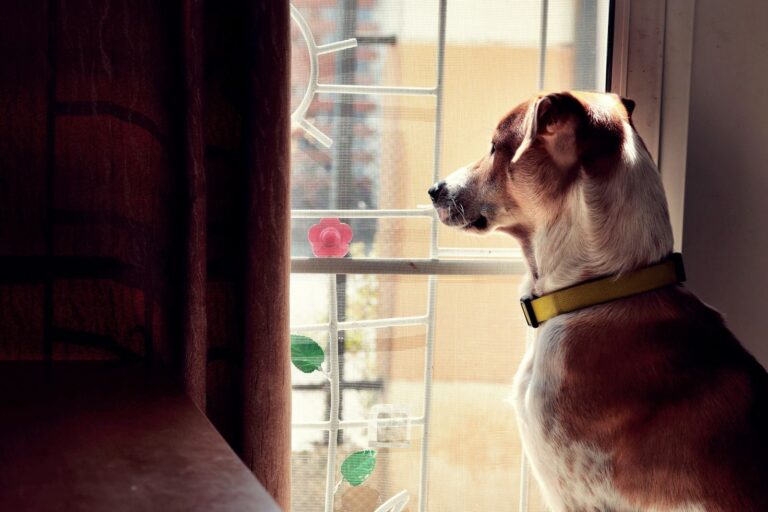
- Window Watching: On dry days, let them look out at birds or passing cars. Sometimes, simply observing can be mentally stimulating.
5. Hamilton Community Resources
- Dog Sports: Look into local clubs for agility, obedience, or rally obedience trials. These activities combine physical exercise with complex problem-solving.
- Hamilton Humane Society: Check their events page for workshops or classes on dog training and enrichment.
Making Mental Exercise a Habit
Integrating mental stimulation doesn’t have to be time-consuming. Short bursts throughout the day can be incredibly effective:
- Daily Variety: Rotate toys or change the type of activity daily.
- Check for Disinterest: If your dog loses interest quickly, try a different activity. What works for one dog won’t work for another.
- Combine with Physical Activity: Weave mental exercises into walks or playtime.
- Be Patient: Like training, enrichment takes time and consistency.
Conclusion: Feed Your Dog’s Brain, Hamilton Style
While ensuring your dog gets enough physical exercise is essential for a happy, healthy life in Hamilton, remember that their brain deserves attention too. Mental stimulation is not just a bonus; it’s fundamental. It enhances their quality of life, strengthens your bond, and helps prevent the negative effects of boredom.
So, before you plan that next long walk, consider adding some brain games to the mix. Challenge your dog’s mind, and you might find they’re calmer, happier, and better behaved—not just on your walks, but all day long. Your Hamilton dog will thank you for feeding their brain as diligently as you feed their body.