In this story
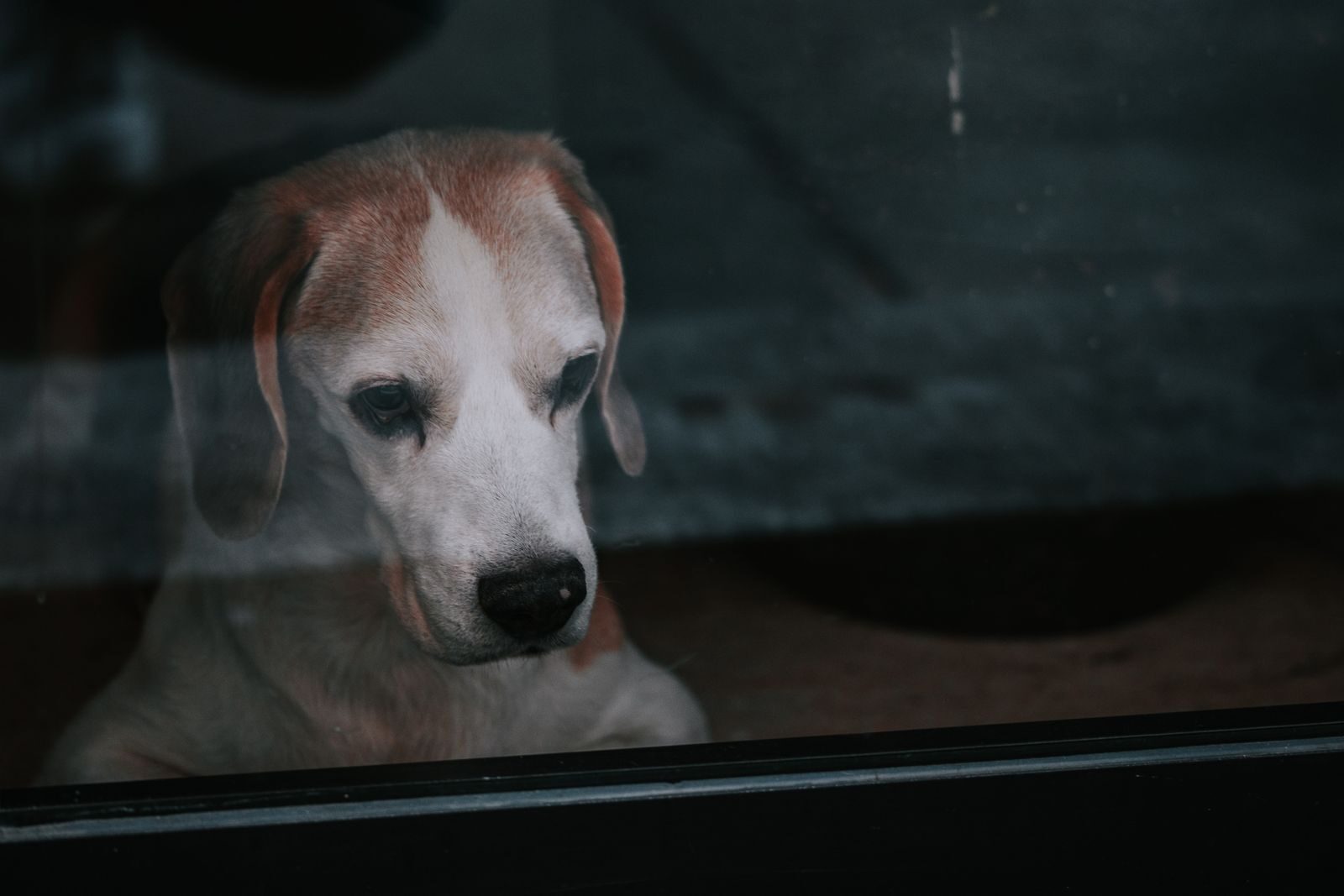
Understanding Separation Anxiety in Your Brampton Dog
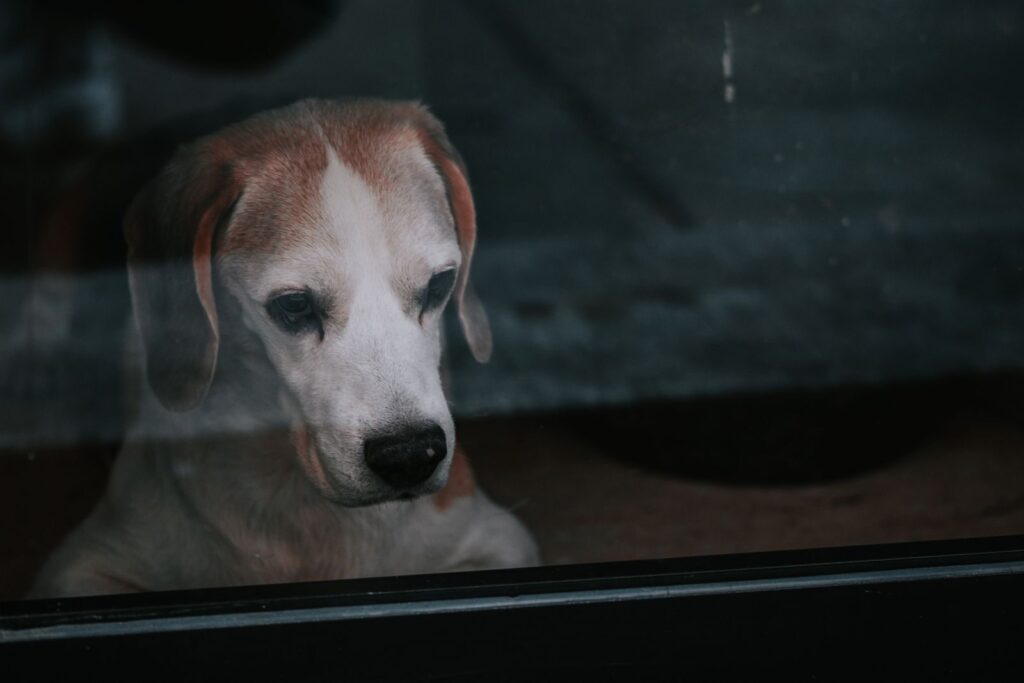
Many Brampton dog owners face the challenge of separation anxiety, that moment when your dog’s barking fills the house or you find chewed-up shoes because you weren’t looking. It’s a common issue, but one that requires understanding and patience. Separation anxiety in dogs isn’t just about missing their owners; it’s a distress response to being left alone. When dogs feel anxious about being separated from their human pack, it can lead to destructive behaviour, excessive barking, or inappropriate elimination. As a Brampton resident, you’re part of a community that values our canine companions, so addressing this concern thoughtfully is key to a harmonious home life.
At its core, separation anxiety stems from a dog’s deep need for pack security. Dogs are pack animals, and when they perceive their human family as their pack, anxiety can arise if they feel they’re not part of the group. This isn’t a simple case of being lonely; it’s a stress response tied to their evolutionary history. By understanding this, you can approach the problem with empathy, recognizing that your dog’s behaviour is a cry for reassurance and security.
Identifying Separation Anxiety vs. Normal Separation Distress
Before diving into solutions, it’s crucial to distinguish between true separation anxiety and normal separation distress. While many dogs get a little anxious when their owners leave, separation anxiety is more intense and persistent. Here are some signs to watch for:
- Destructive Behaviour: Chewing furniture, tearing up carpets, or breaking things when left alone.
- Excessive Barking or Howling: Continuous barking, whining, or howling specifically triggered by your departure.
- Inappropriate Elimination: Accidents in the house despite being house-trained, often starting when you leave.
- Escape Attempts: Trying to get out of doors or windows.
- Pacing, Panting, or Saliva Soiling: Visible signs of stress like pacing the floors, heavy panting, or drooling excessively.
If these behaviours are persistent, significantly disruptive, or have escalated over time, separation anxiety is likely the cause. Normal separation distress might include brief barking or whining, especially if the dog is very young, crate trained properly, or hasn’t formed a strong bond yet.
Common Causes and Contributing Factors in Brampton
Separation anxiety doesn’t develop overnight, and in Brampton, as across Canada, several factors can contribute:
- Insufficient Alone Time: If your dog isn’t used to being alone from a young age, they may become overly dependent.
- Lack of Crate Training: A properly introduced crate should be a safe haven, not a punishment. Dogs that don’t view their crate as a positive space are more prone to anxiety.
- Excessive Attachment: Some dogs form particularly strong bonds, especially if they weren’t properly socialized or had early separation experiences.
- Changes in Routine: Moving, new family members, or even a change in work schedule can trigger or worsen anxiety.
- Underlying Issues: Sometimes, anxiety can be linked to past negative experiences or anxiety about other things in the home.
Understanding these factors helps tailor your approach to Brampton’s specific lifestyle, whether your dog is a young puppy exploring the world outside your home or a senior companion accustomed to constant presence.
Practical Strategies for Managing Separation Anxiety in Your Brampton Home
1. Implement Gradual Desensitization
One of the most effective ways to help your dog in Brampton is through gradual desensitization. This involves slowly getting your dog used to your departures and returns without leaving them alone.
- Start Small: Practice short departures from the room. Begin with just a few seconds.
- Calm Departures: Keep your goodbye calm and brief. Avoid making a big fuss or using high-energy cues.
- Positive Reinforcement: Use high-value treats, toys, or play to distract during your departures. Make leaving associated with good things.
- Increase Duration: Gradually increase the time you spend away, ensuring your dog remains calm each time.
2. Master Crate Training
A properly introduced crate is often the cornerstone of managing separation anxiety. The crate should be a safe, comfortable space.
- Positive Introduction: Allow your dog to explore the crate on their own terms, entering and exiting freely at first. Use treats to make it appealing.
- Short Sessions: Start with short periods inside, gradually extending the time.
- Calm Departures: Once crate sessions are established, practice leaving your dog inside calmly.
- Never Punish Accidents: If your dog has an accident, don’t scold them. This can increase anxiety. Clean thoroughly using an enzymatic cleaner and focus on positive reinforcement.
3. Provide Mental Stimulation
Boredom and lack of mental engagement can exacerbate anxiety. Keep your Brampton dog mentally stimulated with:
- Interactive Toys: Puzzle feeders, treat balls, or simple foraging games.
- Rotation of Toys: Keep a variety of toys and rotate them to maintain interest.
- Enrichment Activities: Spend time playing fetch, teaching new commands, or practicing recall in the yard.
4. Ensure Adequate Exercise
Both physical and mental exercise help reduce overall stress. Ensure your dog gets sufficient activity before you leave.
- Daily Walks: Regular walks, especially in the Brampton area, can help burn off energy.
- Playtime: Tiring your dog out with play sessions can make them more relaxed when left alone.
5. Establish a Pre-Departure Routine
A consistent routine can provide reassurance.
- Calm Signals: Use specific, calm actions (like a soft ‘bye’ song or gentle pet) to signal that you’re leaving.
- Avoid Excitement: Don’t engage in energetic greetings when you return, as this can reinforce anxiety.
When to Seek Professional Help
While the above strategies can be very effective, sometimes professional help is needed, especially if your dog’s anxiety is severe or worsening.
- Veterinary Consultation: A local Brampton vet can rule out any underlying medical issues.
- Registered Trainers: Look for positive reinforcement trainers in Brampton who specialize in anxiety and fear.
- Certified Behaviour Consultants: A BCaB (Behaviour Consultant Accredited by the BCBA) can provide personalized guidance.
Professional help often involves behavior modification plans tailored to your dog’s specific needs.
Creating a Safe Haven in Your Home
Beyond the strategies above, creating a positive, safe environment is crucial for your Brampton dog.
- Designated Quiet Space: Ensure they have a comfortable, quiet area away from potential triggers.
- Consistency: Maintain a consistent routine for feeding, walks, and departures.
- Patience: Recovery takes time. Celebrate small successes and be patient with your dog.
Managing separation anxiety in Brampton requires understanding, consistency, and compassion. By addressing the root causes and implementing positive strategies, you can help your dog feel secure and reduce their anxiety when you’re away. Remember, the goal isn’t necessarily to eliminate all anxiety (as some separation distress is normal), but to reduce it to a manageable level.
If you’re a Brampton dog owner facing these challenges, know that you’re not alone. Many local resources and fellow pet owners understand the journey, and taking steps to help your dog feel safe is an investment in their well-being and the harmony of your home.