In this story
Keeping Your Dog’s Nails Trimmed Safely in Brampton
As a local Brampton pet parent, you know that keeping your furry friend comfortable and healthy involves more than just treats and walks. One often-overlooked aspect of dog care is nail maintenance. Long nails can cause discomfort, affect their posture, and even lead to injuries. While regular grooming appointments are great, learning how to safely trim your dog’s nails at home is a valuable skill for any Brampton resident.
Why Regular Nail Trimming Matters
It might seem simple, but neglecting your dog’s nail care can have several consequences:
- Discomfort & Pain: Long nails can curl painfully into the paw pad, causing significant discomfort for your dog.
- Mobility Issues: Overgrown nails act like misplaced shoes, throwing off their stance, causing limping, and damaging floors.
- Injury Risk: They can get caught on carpets, rugs, or even lawnmowers, leading to painful cuts or infections.
- Health Concerns: Severe curling can lead to infections or damage to the quick (the sensitive part of the nail).
How to Tell if Your Dog Needs Their Nails Trimmed
Not sure if it’s time for the clippers? Here are some signs:
- The Sound: Do you hear a clicking sound on smooth, hard surfaces like tile or hardwood? That clicking indicates they’re too long.
- Visual Inspection: Check their paws occasionally. Look for nails that extend beyond the paw pad or show signs of curling.
- Difficulty Walking: Does your dog seem hesitant to walk on certain surfaces, or is there a change in their gait?
- Overgrown Appearance: If they look like they’re wearing tiny, pointy shoes!
Frequency is Key
How often should you trim them? It varies based on your dog’s breed, activity level (more active dogs usually wear them down more), and the surface they walk on. Most dogs need trimming every 2-6 weeks. Start by trimming a few nails every two weeks to gauge the rate at which they grow.
Methods for Trimming Dog Nails: Scissors vs. Grinder
There are two main tools for the job: nail scissors and nail grinders. Each has its pros and cons.
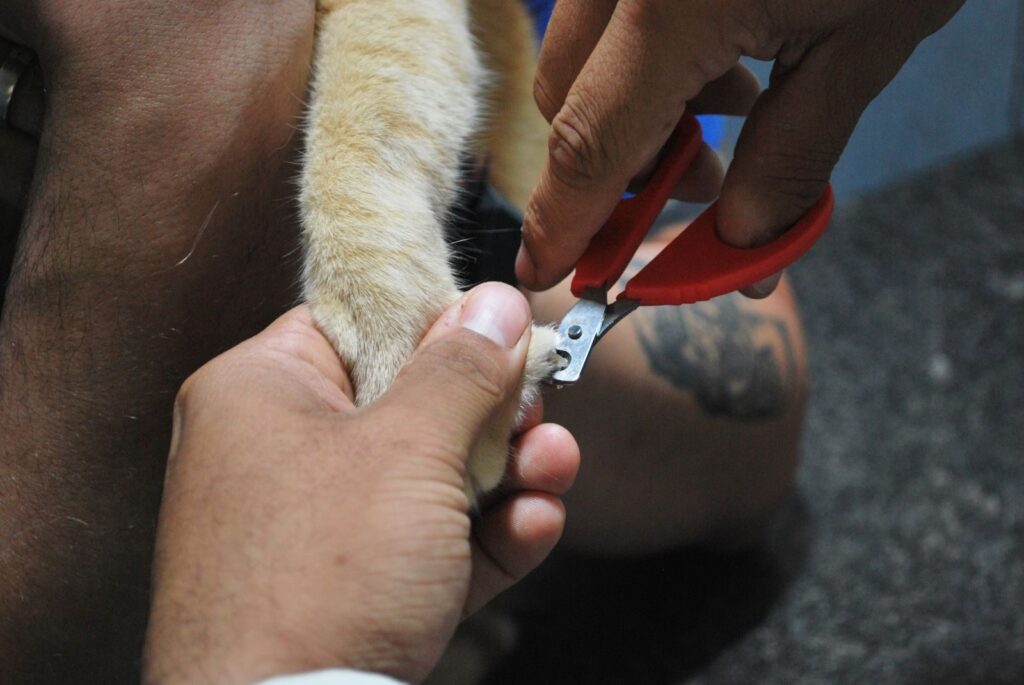
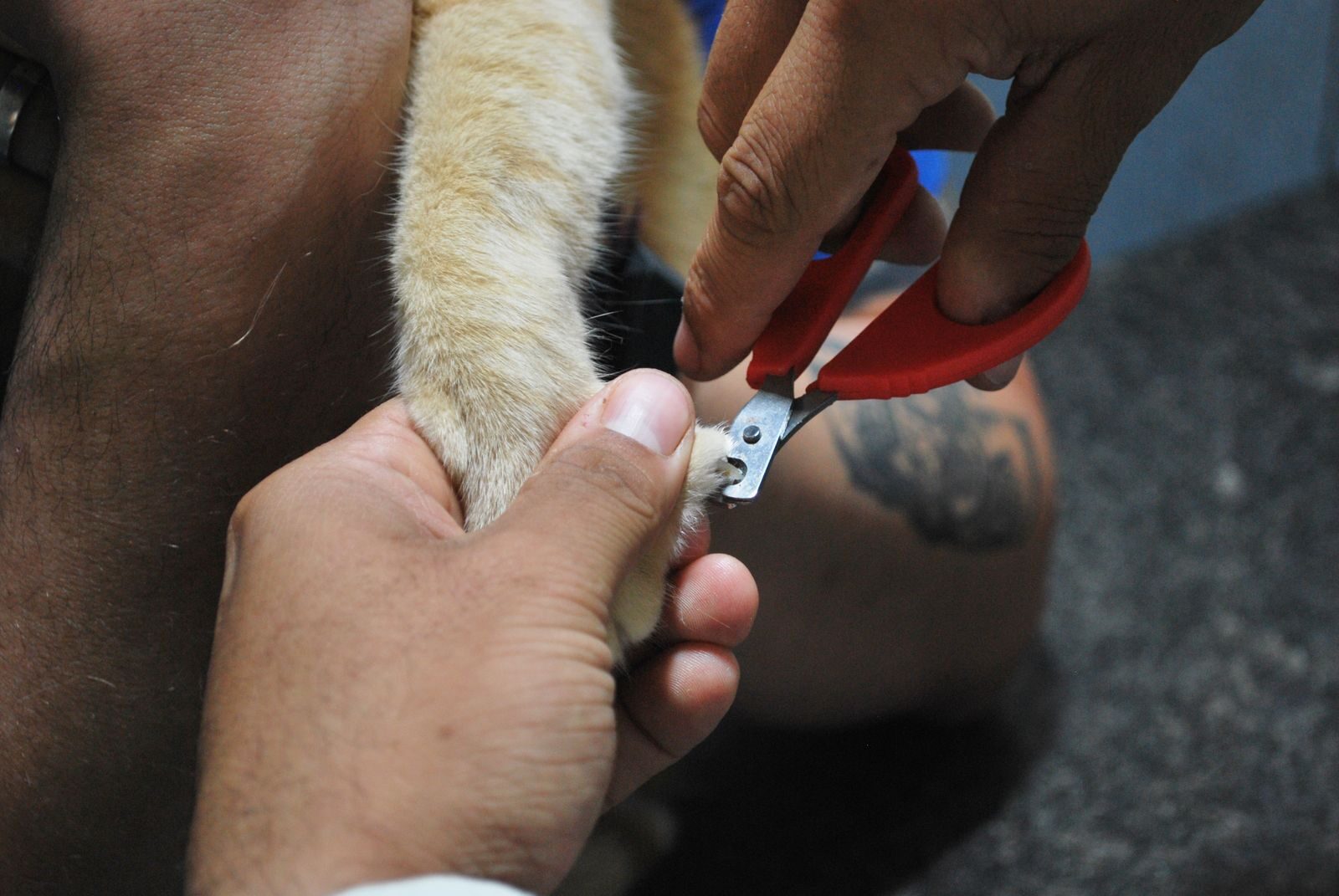
Nail Scissors
- Pros: Portable, relatively inexpensive, easy for beginners.
- Cons: Require precision, can be stressful for some dogs if not done correctly, risk of cutting the quick.
- Finding the Quick: The quick is the living part of the nail, containing blood vessels and nerves. It’s usually less visible in lighter-colored nails. In darker nails, you’ll see the darker tip (the quick) before you need to cut any significant length off. It’s generally safe to trim a small amount beyond this dark tip.
- Technique:
- Trim in Short Strokes: Cut only small amounts at a time to avoid the quick.
- Light Angle: Hold the clipper at a slight angle to the nail, not straight across.
- Stress Relief: Keep sessions short and positive. Offer treats and plenty of praise.
- Small Dogs: For small breeds, scissors are often the go-to tool.
Nail Grinders
- Pros: Safer for most dogs, less chance of cutting too short (which can cause bleeding), allows you to see exactly what you’re doing.
- Cons: Can be noisy, requires more time, battery-operated ones need charging.
- Technique:
- Start Slow: Turn on the grinder for just a few seconds on one nail.
- Listen and Watch: Stop if you hear an unusual sound or see the nail getting too smooth/dirty white (indicating you’re close to the quick).
- Consistency: Ensure you’re trimming all nails evenly.
- Large Dogs: Often preferred for larger breeds.
DIY vs. Professional Trimming in Brampton
While home trimming is a great skill, there are situations where you might prefer or need professional help:
- Your Dog is Stressed: If your dog becomes extremely anxious at the sight of nail clippers or a grinder, it might be best to leave it to the experts.
- You’re Unsure About the Quick: If you’re not confident in finding the quick or avoiding it, a professional groomer can safely trim your dog’s nails.
- Significant Overgrowth: If the nails are severely overgrown, it might be safer to start with a professional groomer who can assess the situation.
- Special Needs: Dogs with very dark nails, thick nails, or health conditions affecting their paws may require professional trimming.
Brampton offers several excellent pet grooming salons where you can find experienced groomers. Look for reviews or ask friends in the community for recommendations.
Essential Safety Tips for Nail Trimming
No matter which tool you use, safety is paramount:
- Prioritize Comfort: The most important thing is your dog’s comfort. Never rush. Keep sessions positive with treats and reassurance.
- Avoid the Quick: This is the main goal! Knowing where it is is crucial. If you accidentally cut it, see the next tip.
- Be Prepared for Accidents: Accidentally cutting the quick? Don’t panic. You’ll need styptic powder (available at most pet stores or vet clinics) or a clean cotton ball soaked in styptic solution (sold at pharmacies) to stop the bleeding. Have this on hand before you start. [Note: Some small Canadian pet supply companies also sell these essentials.]
- Use the Right Tools: Always use sharp, clean nail clippers or a well-maintained grinder. Dull tools make the job harder and increase the risk of crushing or splitting the nail.
- Trim Regularly: Consistency prevents overgrowth and makes the process easier for both of you.
- Reward Good Behaviour: Positive reinforcement is key. Praise and treats can make this a less stressful experience for your dog.
What About Nail Trimmers?
While specific nail trimmers (the little loop tools) exist, they are generally not recommended for most dogs. They can crush the nail instead of cutting it cleanly, potentially causing pain and splitting the nail. Stick to proper nail scissors or a grinder.
Alternatives to Trimming
While trimming is the most effective way to keep nails short, other methods exist but are not ideal for maintaining short, healthy nails:
- Boot Camp Wear: Some owners use special socks or booties during walks, but this is often uncomfortable for dogs and doesn’t encourage natural wear.
- Filing: A nail file can be used to gently smooth the edges, but it’s very time-consuming and doesn’t shorten the nail significantly. It’s great for removing any rough edges.
Wrapping Up: Happy Dogs, Happy Brampton
Keeping your dog’s nails trimmed is a fundamental part of responsible pet ownership in Brampton. By learning the basics of safe trimming, you can ensure your best friend walks comfortably and confidently. Remember to prioritize their comfort, use the right tools, and know when to seek help from a professional groomer. A well-maintained dog is a happy dog, and that’s true whether they’re exploring the trails near Creditview Park or relaxing in your home.
[Disclaimer: This information is intended for educational purposes only. Every dog is different. If you are unsure, consult with your veterinarian or a professional groomer.**]