In this story
Winnipeg Dog Nail Care Guide: Keeping Paws Comfortable and Safe
As a proud Winnipegger, you know the biting winters and sometimes unpredictable weather we face. But did you know that keeping your dog’s paws well-maintained goes beyond just the fur on their feet? Keeping your dog’s nails trimmed to an appropriate length is a crucial part of their overall comfort and health, especially in our city’s climate.
Long nails can cause more than just a ruffled tail wag. They can lead to discomfort, affect your dog’s gait, and even cause issues with their joints or paws slipping on icy sidewalks. In Winnipeg, where we spend time both inside and out, neglecting this simple aspect of care can have tangible effects.
This guide will walk you through the essentials of keeping your Winnipeg dog’s paws happy and their nails manageable, focusing on safety and practicality.
Why Winnipeg Dogs Need Regular Nail Care
Winnipeg’s unique environment offers specific challenges:
- Frostbite Risk: Long nails can catch on icy surfaces and potentially trap heat, increasing the risk of frostbite to the sensitive pads of the feet. Shorter nails mean less surface area for cold exposure.
- Slippery Sidewalks: Whether it’s salted icy sidewalks in winter or just wet pavement in summer, long nails can make walking more slippery and unstable for your dog.
- Discomfort in Snow: Snow and ice can easily get caught under long nails, causing discomfort and potentially trapping heat.
- Overgrown Consequences: Like us, dogs don’t naturally file their nails. Regular trimming prevents the painful issues associated with overgrown nails, such as ingrown nails, splitting, or painful ingrowns.
Ignoring nail maintenance can lead to more serious problems down the road, adding stress to vet visits during harsh Winnipeg winters.
Understanding Dog Nail Types
Not all paws are created equal, and neither are paws from different breeds. Common dog nail types you might encounter in Winnipeg:
- Dagger Nails: Sharp, somewhat curved – common on many breeds. These require careful trimming to avoid splitting.
- Scissor Nails: Naturally somewhat blunt, found on some breeds like Basset Hounds or Cocker Spaniels. Still need regular checks.
- Sickle Nails: Curved towards the ground, can be prone to breaking if trimmed improperly.
Methods for Keeping Nails Short: What Works in Winnipeg
There are two primary ways to manage your dog’s nail length: trimming and Dremming (grinding).
1. The Dremming Drill (Grinding)
Using a Dremmer tool (an electric rotary grinder) is a popular method.
- Pros: Very fast, precise, less stressful for dogs who dislike scissors, minimizes the chance of splitting the quick.
- Cons: Requires investment in the tool, noise can be a concern in apartments, need for practice.
- Winnipeg Tip: Ensure the tool is designed for dogs (not humans). Consider taking your first few breaks to a quieter space or enlist help from a friend. Many pet stores and vet offices in Winnipeg offer Dremming services.
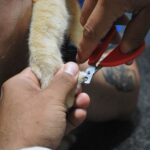
2. Manual Nail Trimming
This is the most common and accessible method for most Winnipeg pet owners.
- Pros: Inexpensive, portable, allows you to manage your dog’s nails between professional groomer visits (if desired).
- Cons: Requires patience and skill, dogs often need desensitizing, risk of cutting the quick (the blood vessel inside the nail).
How to Trim Dog Nails Safely at Home in Winnipeg
If you choose to trim your dog’s nails yourself, safety is paramount. Follow these steps carefully:
- Find a Calm Moment: Stress-free sessions are easier for everyone. Choose a time when your dog is relaxed.
- Prepare Your Tools: Have nail clippers or scissors designed for dogs (guage size appropriate for your dog’s nails), and perhaps a styptic pencil (or a clean tea bag) to stop bleeding if you cut the quick.
- Inspect the Nails: Examine each nail. Identify the quick (usually pink, visible in light-colored nails). Avoid cutting into this area. For dark nails, err on the side of caution and trim less frequently but closer to the quick.
- Clip in Short Bursts: Clip only 1-2 nails at a time. Give your dog a chance to relax between clips.
- Trim Small Amounts: Cut small amounts each time to avoid over-trimming and potential pain.
- Check for Bleeding: If you cut the quick and it bleeds, apply pressure with the styptic pencil or the corner of a clean tea bag.
Winnipeg-Specific Tip: Managing Snow and Ice
During heavy snowfall or icy periods, check your dog’s feet more frequently. Snow can camouflage dirt but also hide potential issues with nail length. A quick trim after walks through deep snow can prevent discomfort.
Signs Your Winnipeg Dog Needs a Nail Trim
Don’t wait for problems! Watch for these signs:
- Clicking on Hard Surfaces: If your dog makes a clicking sound on pavement.
- Reluctance to Walk on Hard Floors: Avoiding tile or hardwood.
- Limping or Favoring a Paw: Pain can make walking uncomfortable.
- Overgrown Nails Visible: Especially on the bottom of the feet.
- Behavior Changes: Increased anxiety around their paws.
Professional Nail Trimming in Winnipeg
Even the best owners might prefer professional help sometimes. Winnipeg offers several options:
- Veterinary Clinics: Most vets offer nail trimming as part of wellness checks. This is a good option if you’re unsure or need styptic help.
- Professional Groomers: Many Winnipeg pet groomers include nail trims in their services. Look for local recommendations.
- Pet Supply Stores: Some stores like Pets Plus or K9 Kastle Pet Emporium might offer basic trimming services.
Keeping Your Winnipeg Dog Comfortable Year-Round
Consistent care is key. The frequency depends on your dog’s breed, activity level, and surface they walk on.
- General Guideline: Most dogs need trimming every 2-6 weeks.
- Active Dogs: Dogs who spend a lot of time on hard surfaces like concrete or tile often need more frequent trims.
- Less Active or Soft Surfaces: Dogs who mostly walk on grass or carpet may need less frequent trims.
Essential Winnipeg Dog Nail Care Tips
- Be Patient: Especially with young dogs or nervous ones. Introduce nail handling gently from a young age.
- Know Your Tools: Use appropriate equipment. Straight-edge scissors or guage clippers are often recommended for safety.
- Prioritize the Quick: Never cut too close to the quick. If unsure, trim less. Ask your vet or groomer for guidance.
- Handle All Paws: Don’t just trim the front paws. Hind paws often grow slower but still need attention.
- Consider Canadian Makers: Winnipeg has a vibrant maker community. You might find unique, high-quality nail files or grooming tools locally, or look online for small Canadian businesses.
Conclusion: Happy Paws, Happy Winnipeg
Keeping your dog’s nails trimmed is a simple yet vital part of Winnipeg dog ownership. By understanding the risks associated with overgrown nails in our climate, learning safe trimming techniques, and establishing a regular routine, you’re ensuring your furry friend walks comfortably and confidently through the city’s seasons. Whether you trim at home or seek Winnipeg’s professional services, investing a little time in this aspect of care goes a long way in keeping your best friend happy and healthy year-round.