In this story
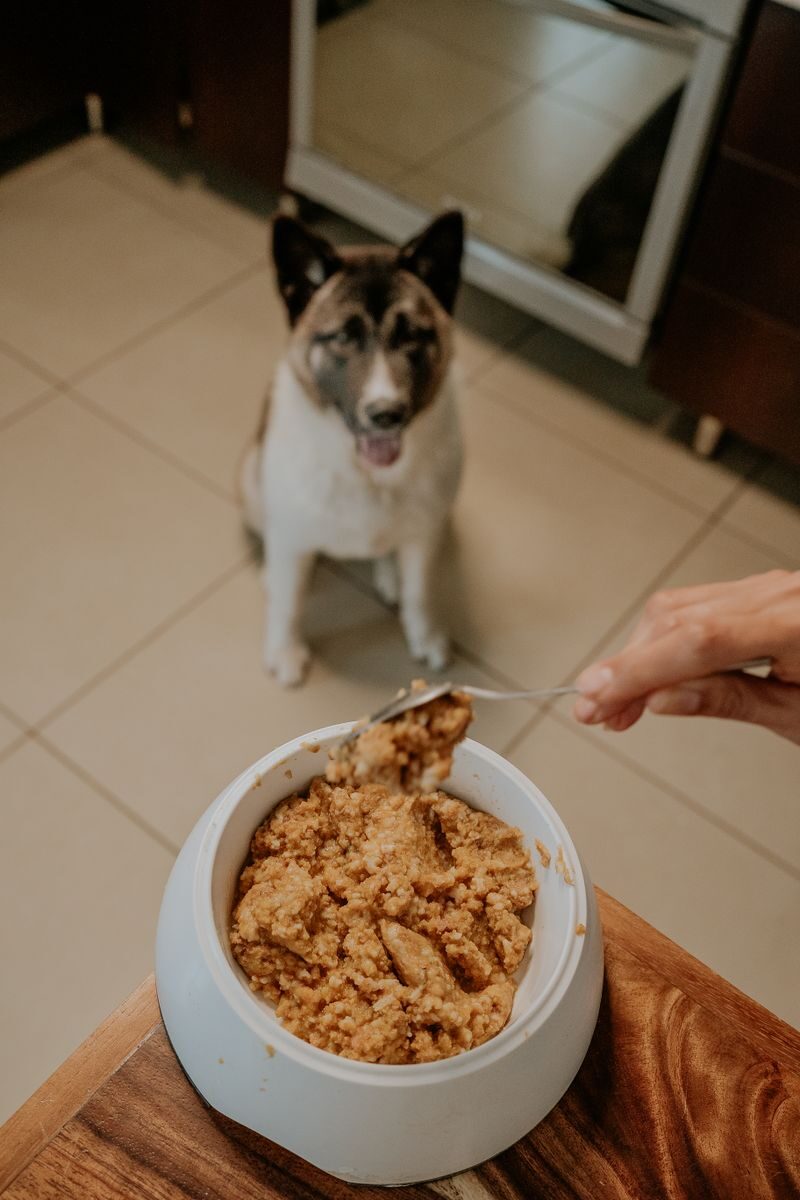
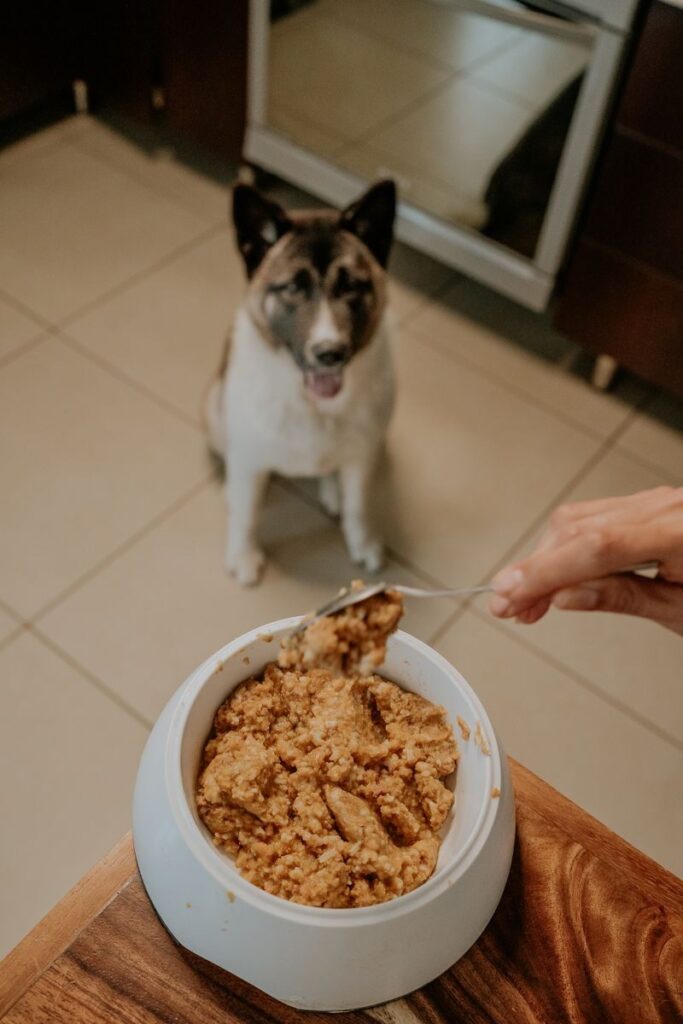
Why You Might Be Thinking About Switching Your Dog’s Food
Like the changing seasons in Winnipeg, sometimes life brings changes for our canine companions. You might be looking to switch your dog’s food for various reasons:
- Addressing dietary sensitivities or allergies: Your dog might be experiencing skin issues, ear infections, or digestive upset (like upset stomachs during Winnipeg’s harsh winters) that could be linked to their current food.
- Veterinary recommendations: Your vet might suggest a specific therapeutic diet or one tailored for certain life stages.
- Price or availability: Finding an affordable option or one that’s consistently available in Winnipeg can be a motivator.
- Health improvements: You might be hoping for a new food to help manage weight, improve energy levels, or address specific health concerns common in colder climates.
- Trying a different flavour or brand: Sometimes, simply trying something new can reignite your dog’s enthusiasm for mealtime.
Regardless of the reason, it’s crucial to understand that abruptly changing your dog’s food isn’t just inconvenient; it can genuinely make them unwell. This is especially important for dogs living in Winnipeg, where digestive upset during already challenging weather can be particularly uncomfortable.
Why Abrupt Changes Can Be Troublesome for Your Winnipeg Dog
Dogs, much like humans, don’t have the ability to instantly adapt their digestive systems to entirely new ingredients. Their stomachs work best with familiar foods. When you switch food suddenly, especially to a completely different brand or type (e.g., from dry kibble to wet food, or from a basic food to a grain-free premium), you risk triggering:
-
Gastrointestinal distress: This is the most common issue. Symptoms can include:
- Soft stools or diarrhea
- Gas and bloating
- Vomiting
- Loss of appetite
- Increased flatulence (which can be especially noticeable in our close-knit Winnipeg communities!)
-
Reduced nutrient absorption: A sudden change can disrupt the balance of beneficial bacteria in your dog’s gut.
- Behavioural changes: Discomfort from digestive upset can lead to irritability or changes in mood.
In Winnipeg’s climate, these issues can be exacerbated by the cold, making your dog feel even more miserable during winter months. A gradual transition helps minimize these risks, allowing your dog’s system to adjust safely.
The Golden Rule: Gradual Transition is Key
The absolute best way to switch your dog’s food is to do it gradually over several days to a week, depending on your dog’s age, health status, and how sensitive they are to change.
How to Implement a Gradual Food Transition
-
Start Slowly: Begin by mixing a very small amount of the new food with the old food.
- Ratio: Aim for a 10:90 split (10% new, 90% old) initially. This means if you normally feed 2 cups of food, start with just 1/5 cup of new food mixed with 4/5 cup of old food.
- Duration: Keep your dog on this mixture for about 2-3 days. Watch carefully for any signs of digestive upset.
-
Increase the Mix Slowly: Once your dog is tolerating the mixture well without issues (no diarrhea, vomiting, or excessive gas), gradually increase the proportion of the new food.
- Ratio Adjustment: Next, try a 20:80 split. Continue monitoring.
- Continue: Progress to 30:70, then 50:50.
- Final Stages: Move to 70:30, then 80:20.
- Completion: Finally, transition fully to the new food.
- Timeline: The entire process typically takes 7-14 days, but you can speed it up slightly if your dog seems to tolerate the changes well.
-
Monitor Closely: This is the most important step. Watch your dog intently during the transition.
- Check their stool: It should remain firm, well-formed, and not have a strange colour or consistency. Avoid sudden changes in frequency.
- Watch for vomiting: Any instance of vomiting should signal a slowdown in the transition or a consultation with your vet.
- Observe their energy levels: They should remain bright, alert, and comfortable.
- Check their appetite: They should continue to eat well.
- Look at their overall health: Skin condition, coat quality, and energy levels over time can indicate if the new food is suitable.
Factors Influencing the Transition Period
- Age: Puppies have more sensitive digestive systems and require a much slower transition, often taking 10-14 days or longer.
- Health: Dogs with sensitive stomachs, known food allergies, or underlying health conditions (like inflammatory bowel disease) need an even more gradual transition and should be monitored closely. Always follow your veterinarian’s specific advice.
- Type of Change: A switch from one premium brand to another similar formula is usually easier than switching from a basic food to a therapeutic diet or a completely different protein base.
- Your Dog’s个性: Some dogs are very food motivated and adjust easily, while others are more cautious or even resistant. Patience is key.
Common Challenges and How to Overcome Them
Challenge: Your dog is very picky and refuses the new food.
Solution: Don’t force them. Stick to the gradual transition schedule. If they refuse even the mixed food, try warming it slightly (briefly in the microwave) to enhance the aroma. If they absolutely refuse the new food entirely, you may need to consult your vet about alternative options.
Challenge: Your dog develops soft stools or mild diarrhea during the transition.
Solution: Slow down the transition process significantly. Reduce the amount of new food and increase the old food. If the issue persists for more than a day or two, or if it worsens, contact your veterinarian.
Challenge: Gas and bloating.
Solution: Sometimes this is simply part of the digestive adjustment. Ensure they have adequate exercise (but not immediately after meals). If gas is excessive or uncomfortable, consider adding a small amount of plain pumpkin (1-4 tsp per meal, consult vet first) or a digestive enzyme supplement (vet recommended). Slowing the transition might also help.
When to Seek Veterinary Advice
While gradual transition usually works, consult your veterinarian before starting:
- If your dog has any pre-existing health conditions.
- If the change is to a therapeutic diet (prescribed by your vet).
- If your dog is a puppy.
- If your dog is senior.
- If your dog is on medication.
- If digestive upset persists despite a slow transition.
- If you’re unsure about the new food’s suitability.
Your vet is the best resource for personalized dietary advice, especially considering potential sensitivities common in Winnipeg’s unique environment.
Final Tips for a Successful Winnipeg Dog Food Switch
- Keep Detailed Notes: Jot down the dates, ratios, and your dog’s reactions to help you track progress.
- Check Expiration Dates: Ensure the old food hasn’t expired before mixing it.
- Storage: Store the opened bag of old food properly in the refrigerator.
- Patience is Virtue: Rushing the process increases the risk of digestive upset. Allow as much time as needed.
- Listen to Your Dog: Their comfort and well-being are paramount. If you notice anything concerning, don’t hesitate to adjust the plan or seek professional advice.
Switching your dog’s food doesn’t have to be a stressful event. With patience, careful planning, and close observation, you can ensure a smooth transition, keeping your Winnipeg companion happy, healthy, and comfortable through the changing seasons.