
Understanding and Managing Dog Allergies in Winnipeg
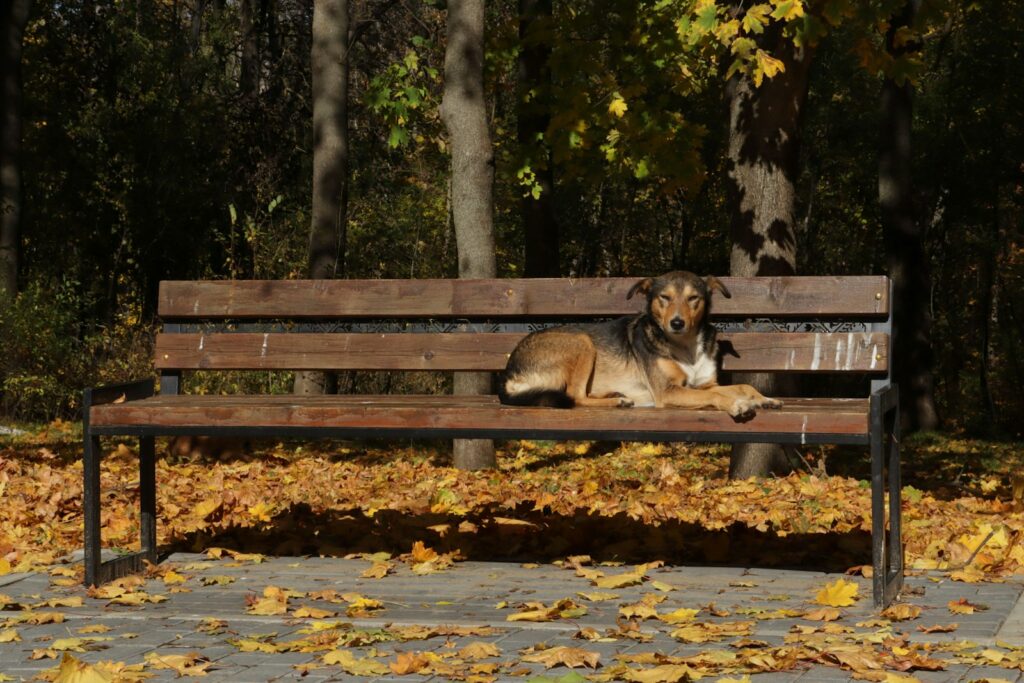
Ah, Winnipeg! With its beautiful seasons and unique climate, it’s a wonderful place to call home, especially for our furry friends. But as the leaves start to change and fall, many Winnipeg dog owners notice some less-than-ideal symptoms in their beloved companions. It’s not just the dog’s sniffles; it’s often the onset of dog allergies, influenced by our local environment.
Dogs, much like humans, can develop sensitivities to various things in their surroundings. These aren’t just occasional sniffles caused by something they ate; they’re the body’s immune system reacting to usually harmless substances as if they were harmful intruders. Understanding what triggers these reactions here in Winnipeg is key to keeping your dog comfortable throughout the fall months and beyond.
What Are Dog Allergies?
At its core, a dog allergy occurs when a dog’s immune system overreacts to substances (allergens) that are typically harmless. These allergens can be inhaled, ingested, or come into contact with the skin. The immune system mistakenly identifies these substances as threats and releases chemicals like histamines, leading to the symptoms we associate with allergies.
It’s crucial to distinguish allergies from other conditions like intolerances or sensitivities. While all three can cause discomfort, they work differently. An intolerance usually relates to digestive issues and isn’t an immune system response. Sensitivities might cause reactions but aren’t typically classified as full-blown allergies.
Common allergy symptoms in dogs include:
- Respiratory: Sneezing, coughing, wheezing, rapid breathing, nasal congestion or discharge.
- Gastrointestinal: Vomiting, diarrhea, excessive licking or lip-licking.
- Skin Issues: Itchy skin (especially face, paws, ears), redness, rashes, hair loss, hot spots, ear infections.
- Eye Problems: Watery or red eyes, itching, swelling.
Environmental Allergies: Winnipeg’s Triggers in Fall
For most dogs in Winnipeg, environmental allergies are the primary concern, especially as we transition into fall. These are often triggered by things in the air or on surfaces.
Pollen
- The Fall Hangover: You might think allergies ease in the fall, but many dogs actually experience increased symptoms as pollen counts remain high or different types of pollen become prevalent later in the season. Keep an eye out for increased sneezing or paw licking as fall progresses.
- Indoor Allergens: As the weather turns colder, dogs (and we!) spend more time indoors. This means exposure to indoor allergens like dust mites, mold spores, and even certain types of pollen tracked inside increases. Ensure your home is well-ventilated but perhaps consider using an air purifier, especially during dry winter months when windows are closed.
Mold Spores
- Winnipeg’s damp springs and wet falls can lead to high mold spore counts. While mold is everywhere, certain types thrive in damp conditions. Symptoms can worsen on damp, overcast days. While less common in winter, mold spores can linger indoors.
Dust Mites and Dander
- These are perennial issues year-round. Keeping bedding, carpets, and furniture clean helps manage exposure.
Local Winnipeg Considerations
- Pollen Season: Keep track of local pollen forecasts (perhaps check Manitoba Agriculture websites). On high-pollen days, limit your dog’s time outdoors, especially during peak pollen hours (typically early morning).
- Dampness: Winnipeg’s climate means our indoor air can get quite dry in winter from heating, but dampness from dehumidifiers or basements can fuel mold. Ensure good ventilation even in winter.
- Flea Allergies: While not a seasonal trigger per se, flea bites can cause intense itching year-round. Ensure year-round flea prevention, as flea seasons aren’t strictly seasonal like they used to be.
Identifying Your Dog’s Specific Triggers
Pinpointing exactly what your dog is allergic to can be challenging. Symptoms can overlap with other conditions. Common methods include:
- Observation: Note when symptoms flare up (after walks, certain days, specific activities). This can provide valuable clues.
- Elimination Diet (for food allergies): If food allergies are suspected, this involves removing potential allergens and slowly reintroducing them under veterinary guidance.
- Veterinary Consultation: A trip to the vet is essential. They can perform thorough examinations, discuss symptoms, and possibly recommend testing (like blood tests or skin prick tests) to identify specific environmental triggers.
Beyond Environmental Triggers: Food Allergies
While environmental allergies are common, food allergies are another significant category. These occur when a dog has an adverse reaction to something in their food. Common culprits include proteins (like chicken, beef, dairy, fish) and grains.
- Symptoms: Food allergies often manifest as skin issues (itching, rashes) or ear infections. Gastrointestinal upset can also occur.
- Diagnosis: An elimination diet is typically the gold standard for diagnosing food allergies, guided by a veterinarian.
- Common Ingredients: Wheat, soy, chicken, beef, dairy, fish, eggs are frequently implicated.
Year-Round Triggers in Winnipeg
Even as winter sets in, Winnipeg dogs can still experience allergy flare-ups. Perennial allergens like dust mites, mold, and indoor pollen year-round mean that managing allergies is an ongoing task.
Heating and Dry Air
As winter arrives and we turn up the heat, the dry air can sometimes exacerbate respiratory issues for dogs sensitive to irritants. Ensuring your home has adequate humidity can help.
Cleaning and Dust
With less outdoor time, indoor cleaning becomes even more critical. Regular vacuuming (using a good vacuum cleaner, perhaps one with a HEPA filter) and damp mopping can help reduce dust.
Practical Tips for Winnipeg Dog Owners Dealing with Allergies
Managing your dog’s allergies requires a combination of awareness, prevention, and sometimes treatment. Here are some Winnipeg-specific tips:
1. Minimize Exposure
- Pollen: Keep windows closed during high pollen seasons. After walks, wipe your dog’s paws and belly with a damp cloth. Consider shorter walks on high-pollen days.
- Mold: Ensure basements and other damp areas are well-ventilated or fixed. Avoid letting dogs sleep on damp bedding.
- Dust: Use allergen-proof covers on bedding if possible. Regularly wash your dog’s bedding and toys in hot water. Limit carpeted areas if possible.
2. Maintain Good Hygiene
- Bathing: Regular, gentle bathing can help remove allergens from your dog’s skin and coat. Consult your vet for suitable shampoos.
- Grooming: Regular brushing helps remove loose fur and dander.
- Flea Prevention: Stick to it year-round to prevent flea-related itching.
3. Support Your Dog’s Comfort
- Air Quality: Use an air purifier in your home, especially in areas where your dog spends a lot of time.
- Hydration: Ensure fresh water is always available, as dehydration can sometimes worsen skin issues.
- Comfortable Environment: Provide cozy, clean indoor spaces to help your dog feel secure and reduce stress, which can sometimes exacerbate allergies.
4. Consult Your Veterinarian
- Professional Guidance: If symptoms persist or worsen, don’t hesitate to consult your vet. They can help diagnose, rule out other conditions, and recommend appropriate treatments, which might include antihistamines, corticosteroids, or special shampoos.
- Allergy Testing: Discuss options for environmental or food allergy testing.
5. Explore Local Resources
- Winnipeg Pet Communities: Connect with other Winnipeg dog owners online or locally to share experiences and tips.
- Local Veterinary Clinics: Your vet is your best resource for personalized advice.
Living Harmoniously with Allergy-Prone Dogs in Winnipeg
Living with a dog who suffers from allergies can be challenging, but it’s definitely manageable. By understanding the triggers specific to our climate, implementing practical management strategies, and working closely with your veterinarian, you can help your Winnipeg companion breathe easier and live more comfortably throughout the year.
Remember, every dog is unique. What works for one might not work for another. Patience and persistence are key. Here’s to keeping our dogs happy and healthy through Winnipeg’s beautiful seasons!
Disclaimer: This information is for educational purposes only and does not replace professional veterinary advice. Always consult your veterinarian for diagnosis and treatment recommendations for your dog.
Related posts:
 Understanding and Managing Your Dog’s Fall Allergies in Toronto
 Understanding and Managing Your Dog’s Fall Allergies in Montreal
 Understanding and Managing Your Dog’s Fall Allergies in Vancouver
 Keep Your Dog Comfortable: Understanding and Managing Fall Allergies in Brampton
 Renting with Your Dog in Winnipeg: A Community Guide