
Understanding and Managing Your Dog’s Fall Allergies in Edmonton
As the crisp autumn air settles over Edmonton, painting the landscape in vibrant hues of orange, red, and gold, there’s one group that might be feeling less than festive: our four-legged friends. While we might be bundling up in sweaters and enjoying pumpkin spice, our dogs can be sensitive to the very changes that make fall beautiful. Dog allergies in Edmonton aren’t just a spring or summer concern; the transition to fall brings its own unique set of airborne triggers that can leave our pets uncomfortable and itchy.
It’s important to understand that dog allergies aren’t caused by peanuts or tree nuts (unless your dog has food allergies, a separate issue). Instead, they’re typically reactions to proteins found in the environment. During the fall, certain environmental allergens become more prevalent in Edmonton’s climate, triggering reactions in sensitive dogs.
Common Fall Allergens in Edmonton
While year-round allergens like dust mites and mold exist, fall introduces specific challenges for many dogs:
Dander and Dry Air
Edmonton’s fall weather, often characterized by dry and cool conditions, can actually make dander (dead skin cells shed by dogs, cats, and other animals) more airborne. As humidity decreases, these microscopic particles can stay suspended in the air longer, increasing exposure for dogs with inhalant allergies.
Mold Spores (Indoors and Outdoors)
Contrary to popular belief, mold isn’t just a summer problem. In Edmonton, as the weather cools, windows are often closed tighter, trapping indoor mold spores from decaying leaves, damp basements, and furniture. Outdoors, fallen leaves and decaying plant matter provide a rich environment for mold growth. For dogs with mold allergies, this means increased exposure both inside and outside the home.
Mildew and Fungi on Surfaces
As the city prepares for snow, damp spots on decks, gutters, and even inside garages can foster the growth of mildew and fungi. Contact with these can trigger allergic reactions in some dogs.
Decaying Leaves and Pollen (Late Fall Transition)
Although true pollen season typically peaks earlier, some trees and plants release pollen into the air well into the fall. Additionally, as leaves decompose, they can release spores that act as allergens. Dogs tracking dried leaves onto your home from walks can also bring in these triggers.
Recognizing the Signs of Dog Allergies
Identifying if your dog is suffering from allergies requires attentive owners. While some symptoms overlap with other conditions, these are common indicators:
Itchy Skin
This is the most common sign. Look for excessive scratching, particularly around the ears, face, paws, belly, and armpits. Redness, hot spots, and hair loss can also occur.
Red, Watery Eyes
Allergies can cause inflammation and irritation in the eyes, leading to redness, excessive tearing, or discharge.
Runny Nose and Sneezing
Just like humans, dogs can experience nasal congestion and sneezing due to airborne allergens.
Coughing and Gagging
Inhaled allergens can sometimes cause irritation down to the respiratory tract, leading to coughing or gagging.
Ear Infections
Allergies are a common underlying cause of recurrent ear infections in dogs. Symptoms include head shaking, ear scratching, and a foul odor or discharge from the ears.
Gastrointestinal Upset
In some cases, food allergies (which are distinct from environmental allergies) can be confused with seasonal issues. Vomiting or diarrhea could be a sign, but it’s crucial to differentiate between food and environmental triggers.
The Diagnosis Process
If you suspect your dog has allergies, the first step is a visit to your Edmonton veterinarian. They’ll discuss your dog’s history, environment, and symptoms. While owners might suspect seasonal allergies, a proper diagnosis often requires more steps:
Veterinary Examination
Your vet will perform a physical exam to rule out other conditions like parasites or infections.
Skin Tests
In-hospital intradermal skin testing or blood tests (like the IgE test) can help identify specific environmental allergens triggering your dog’s reactions.
Elimination Diet
If food allergies are suspected, an elimination diet trial may be necessary, though this is less common for diagnosing environmental allergies.
Trial and Error
Sometimes, managing allergies involves a process of identifying and reducing exposure to specific triggers.
Managing and Preventing Fall Allergies
Managing your dog’s allergies is about more than just identifying triggers; it’s about implementing strategies to reduce exposure and alleviate symptoms. Here are some practical approaches:
Environmental Management
- Air Filtration: Consider using a high-efficiency particulate air (HEPA) filter in your home, especially in areas your dog frequents. Place it on a timer to run during times when windows are closed.
- Reduce Humidity: While dampness encourages mold, excessively dry air can worsen dander issues. Use a humidifier during the very dry winter months (a separate consideration).
- Frequent Cleaning: Regularly vacuum carpets, furniture, and floors, especially if your dog spends a lot of time outside tracking in leaves and debris. Consider a professional carpet cleaning service if needed.
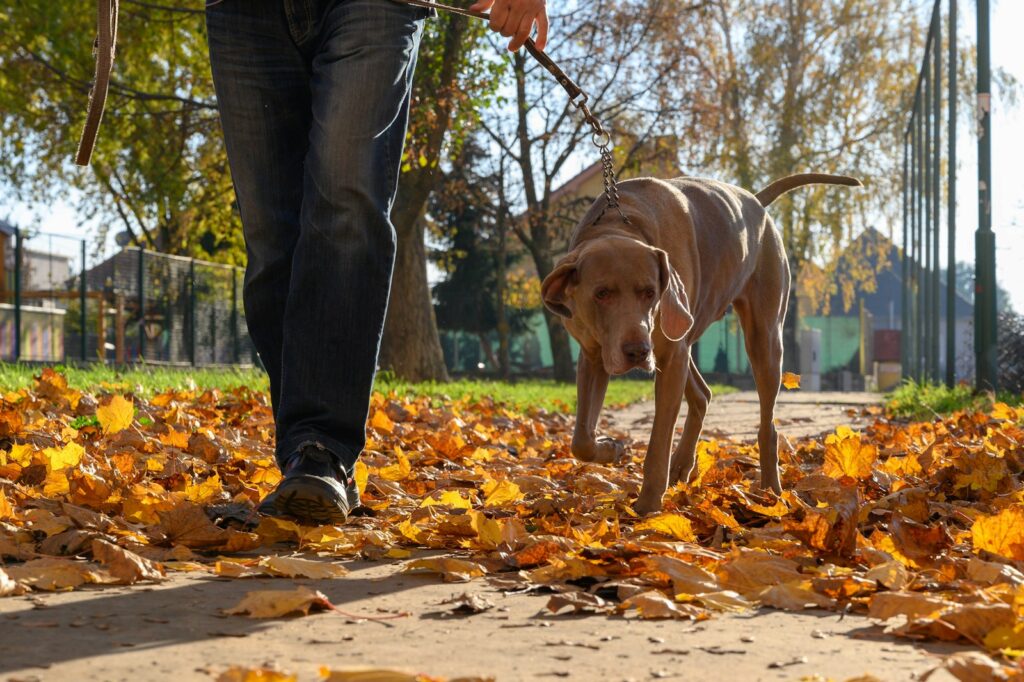
- Wipe Paws: After walks, especially in areas with lots of leaves or damp ground, wipe your dog’s paws and belly with a pet-safe wipe or damp cloth to remove potential allergens.
- Manage Mold: Ensure good ventilation, fix leaks promptly, and address damp spots in basements, garages, and outdoor areas.
- Limit Outdoor Time During Peak Exposure: While Edmonton’s fall weather is lovely, try to limit walks during times when pollen or mold spores are highest (often early morning).
Grooming Practices
- Regular Baths: Bathing can help remove allergens from your dog’s coat. Use lukewarm water and hypoallergenic shampoos recommended by your vet. Don’t over-bathe, as this can strip natural oils.
- Frequent Brushing: Regular brushing helps remove loose fur and dander, reducing what your dog sheds and potentially what gets into the home.
Medication and Treatment
- Antihistamines: Certain antihistamines can be effective for mild allergy symptoms in dogs. Always consult your veterinarian before administering any medication. Dosages and suitability vary.
- Steroids: Corticosteroids (like prednisone or newer brands like Apoquel) can be very effective for managing moderate to severe itching and inflammation but require careful veterinary supervision due to potential side effects.
- Cyclosporine: This immunosuppressant medication (brand name Atopica) is often used for dogs with chronic, steroid-responsive allergies. It takes several weeks to become effective.
- Allergy Shots (Immunotherapy): This is a long-term treatment option. Your vet extracts proteins from the environment, creates a custom serum, and injects small amounts under the skin weekly. Over months to years, the dog’s system becomes desensitized to these allergens. This requires commitment but can provide significant relief.
Nutrition and Support
Supporting your dog’s overall skin health can help manage allergy symptoms:
* Omega Fatty Acids: Fish oil supplements containing EPA and DHA can help reduce inflammation and improve skin barrier function.
* Hypoallergenic Diet: If food allergies are suspected or coexist, work with your vet on an elimination diet.
* Probiotics: Some owners find digestive health support (via probiotics) can indirectly benefit skin health.
When to Seek Veterinary Care
While managing allergies at home is possible, don’t hesitate to consult your Edmonton veterinarian if:
* Symptoms are severe (significant respiratory distress, swelling, facial swelling, lethargy).
* Symptoms worsen or don’t improve with home management.
* You suspect a secondary infection (like a bacterial or fungal infection in an itchy hot spot).
* You need guidance on medications or immunotherapy.
Living Comfortably with Allergies
Dog allergies, especially during Edmonton’s distinct seasons, are a reality for many canine companions. By understanding the specific triggers of fall (dander, mold, mildew, and decaying matter), recognizing the signs, and implementing practical management strategies, you can significantly improve your dog’s comfort. Patience is key, as finding the right combination of environmental changes and treatments often involves some trial and error. Work closely with your Edmonton vet to develop a plan that works best for your unique dog and their specific sensitivities.
Remember, a comfortable dog is a happy dog. By paying attention to your dog’s needs during Edmonton’s beautiful fall months, you ensure they can enjoy the season just as much as you can.