
Keep Your Dog Comfortable: Understanding and Managing Fall Allergies in Brampton
As the vibrant colours of autumn paint Brampton’s landscape, our four-legged friends might experience some seasonal discomfort too. While many of us think of allergies as a spring or summer concern, dogs can definitely suffer from allergies during the fall months. These reactions aren’t just uncomfortable for your pet; they can significantly impact their quality of life. Understanding the triggers, recognizing the signs, and implementing practical management strategies can help ensure your dog enjoys a happy and healthy Brampton autumn.
What Are Fall Allergies for Dogs?
Just like humans, dogs develop allergies when their immune system overreacts to substances (allergens) that are typically harmless. In the fall, specific allergens tend to become more prevalent in the unique environment of Southern Ontario, including Brampton.
It’s important to distinguish between seasonal allergies and year-round environmental allergies. While indoor allergens like dust mites and mold are often present year-round, fall introduces specific triggers that can worsen or initiate allergic reactions in sensitive dogs.
Common Fall Allergens in Brampton
Several factors unique to the fall season in Brampton can contribute to dog allergies:
- Pollen (Trees & Grass): Many trees (like maple and oak) and grasses release their pollen in late summer and early fall. While spring is peak pollen season, some grasses pollinate later, and tree pollen counts can remain elevated into fall, especially on windy days.
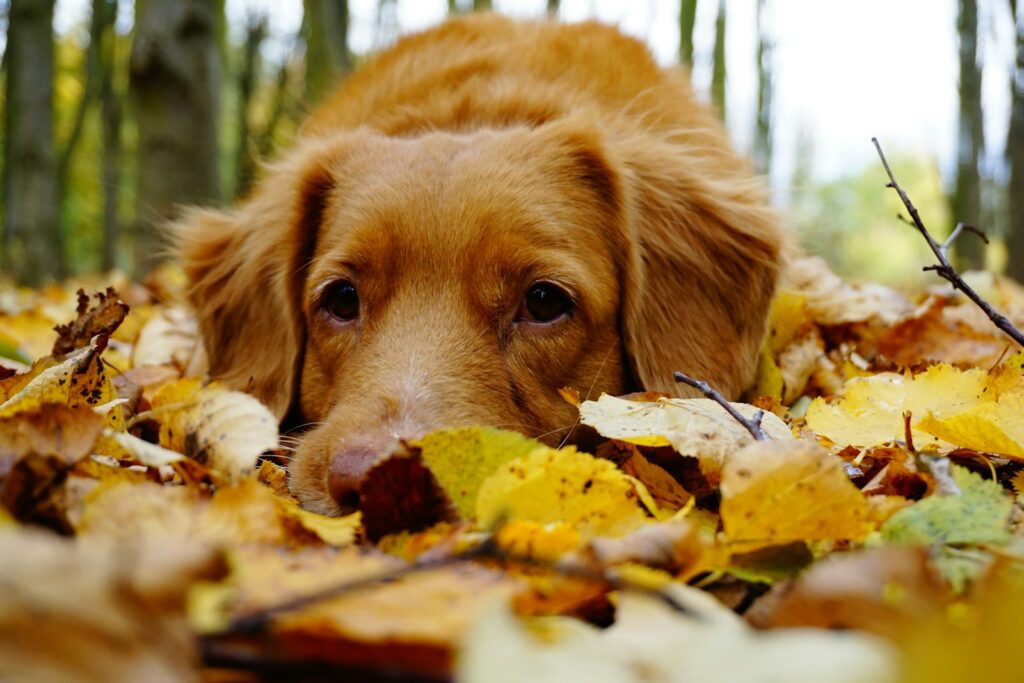
- Mold Spores: As the weather cools and leaves begin to decompose, mold spore counts often increase. Fungi thrive in damp conditions, finding perfect environments in Brampton’s fall weather, especially in piles of fallen leaves or damp basements.
- Mold from Decomposing Leaves: Decomposing organic matter, particularly leaves, releases significant amounts of mold spores into the air, which can trigger allergies.
- Dust Mites Indoors: As the weather turns colder, many Brampton residents spend more time indoors. This increases exposure to indoor allergens like dust mites, which flourish in homes, especially in bedding, carpets, and upholstered furniture.
Identifying the Culprit
Unlike humans, dogs can’t tell us directly what they’re allergic to. Veterinarians use several methods to identify allergens:
- Veterinary Consultation: Discuss changes in your dog’s behaviour or symptoms with your vet. They can help differentiate allergies from other skin or respiratory conditions.
- Blood Tests or Skin Tests: These specialized tests can identify specific allergens your dog has sensitivities to, though they’re not always definitive and interpretation requires veterinary expertise.
Recognizing the Signs Your Dog Might Have Fall Allergies
Allergies in dogs typically manifest as skin issues or respiratory problems. Be vigilant for these common signs during Brampton’s fall:
Skin Issues
- Itchy Skin: This is often the most noticeable sign. Dogs may excessively chew, lick, or scratch their paws, belly, face, or ears.
- Redness and Inflammation: Inflamed skin, particularly around the paws, ears, or face.
- Hair Loss: Chronic itching and scratching can lead to broken hairs or patches of missing fur, especially on the paws, belly, or face.
- Ear Infections: Frequent head shaking, scratching at the ears, or a smelly, yeasty discharge from the ears can indicate allergies.
Respiratory Symptoms
- Sneezing: More than just occasional sneezes, especially after walks.
- Runny Nose: Clear, watery discharge from the nose.
- Watery Eyes: Tearing or eye discharge.
- Coughing or Gagging: Especially after outdoor activities.
- Wheezing: A whistling sound during breathing, which requires immediate veterinary attention.
Other Possible Signs
- Gastrointestinal Upset: Some dogs may experience vomiting or diarrhea due to food allergies, which can sometimes be confused with environmental allergies.
How to Help Your Dog with Fall Allergies
Managing fall allergies in Brampton involves a combination of reducing exposure to allergens and managing symptoms.
Minimizing Exposure
- Limit Outdoor Time During Peak Exposure: Pollen counts can be high on fall mornings and after rain showers. Try to keep walks shorter or avoid going out during these times if your dog shows sensitivity.
- Frequent Grooming: Brushing your dog regularly helps remove pollen and mold spores from their fur. Consider a weekly bath with a gentle, hypoallergenic shampoo, especially if they spend a lot of time outdoors.
- Wipe Down After Walks: Use a pet-safe wipe or damp cloth to gently remove allergens from your dog’s fur, particularly around the face and paws.
- Manage Indoor Allergens: As spending time indoors increases, focus on reducing indoor allergens:
- Control Dust Mites: Use allergen-proof covers on bedding and vacuum frequently with a HEPA filter vacuum.
- Manage Mold: Ensure good ventilation, especially in basements. Address any damp spots promptly.
- Consider Air Filtration: A good whole-house or central air purifier with a HEPA filter can help remove airborne allergens.
- Wash Bedding Often: Launder your dog’s beds and blankets regularly in hot water.
Management Strategies
- Antihistamines: Certain over-the-counter antihistamines (like Benadryl, Chlorpheniramine) can help manage mild allergy symptoms in some dogs. Crucially, always consult your vet before administering any medication, as dosages and suitability vary.
- Prescription Medications: For more severe or persistent allergies, your vet may recommend prescription medications, including corticosteroids or newer, non-drowsy antihistamines, or even allergy shots (allergy immunotherapy).
- Omega-3 Fatty Acids: Fish oil supplements can sometimes help reduce skin inflammation and improve coat health, potentially alleviating some allergy-related skin issues.
- Identify and Avoid Triggers: Once you know your dog’s specific triggers (e.g., certain molds, specific pollens), you can take more targeted steps to avoid them.
When to See the Vet
While monitoring at home is key, don’t hesitate to consult your veterinarian if:
- Symptoms are severe (significant respiratory distress, severe skin damage).
- Symptoms don’t improve with home care or over-the-counter remedies.
- Symptoms suddenly appear or worsen.
- You suspect a bacterial or yeast infection secondary to allergies (redness, discharge, odor).
Supporting Local Brampton Pet Wellness
Dealing with allergies is just one aspect of responsible pet ownership in a vibrant city like Brampton. Ensuring your dog stays comfortable through seasonal changes involves regular check-ups, proper nutrition, and attentive care. Consider resources like the City of Brampton’s animal services or local Brampton veterinarians for ongoing guidance on pet health.
Conclusion: A Cozy Brampton Fall for Your Dog
Fall allergies in Brampton can be a real concern for dog owners, but they’re manageable with awareness and proactive care. By understanding common triggers like pollen, mold, and indoor allergens, recognizing the signs, and implementing practical avoidance and treatment strategies, you can help your best friend navigate the seasonal changes comfortably. A little extra attention this fall can make all the difference between a miserable dog and one that enjoys the crisp autumn days right alongside you.