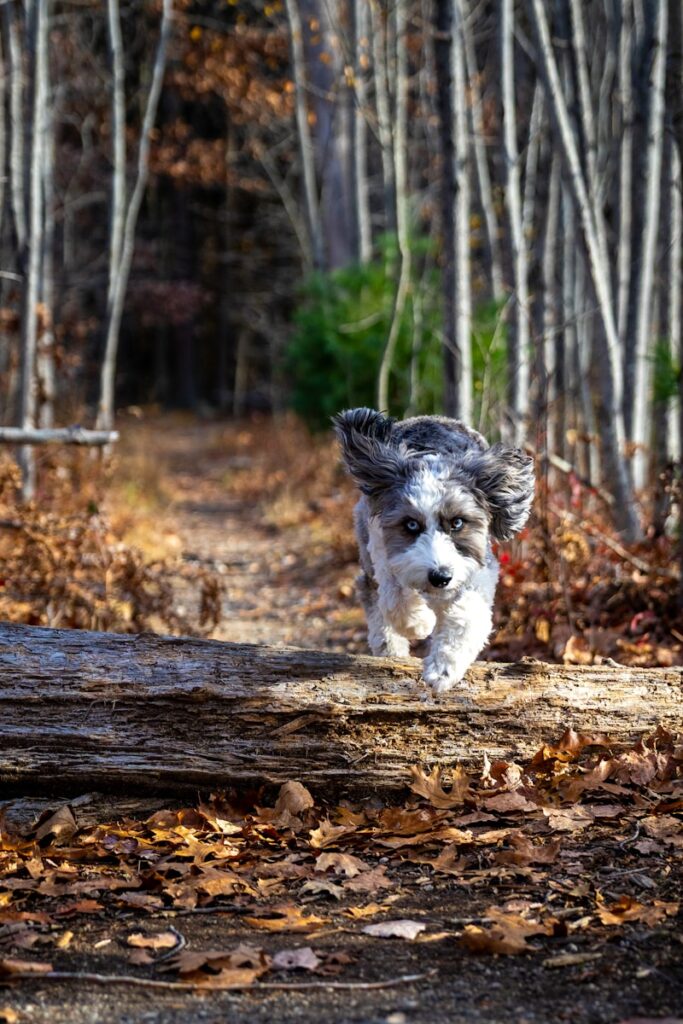

Understanding the Shift: Dog Allergies in Toronto’s Fall Season
As the golden light of autumn spills across Toronto’s parks and the air turns crisp, there’s a less celebrated seasonal shift for many dog owners: the potential rise in allergies. While we’re bundling up in sweaters and sipping hot chocolate, our canine companions might be experiencing discomfort that’s not quite a cold. Dog allergies, while often associated with the spring pollen season, can be just as prevalent and sometimes even more insidious during the fall months in Toronto.
Why fall? The answer lies in the changing environment and the persistence of allergens. It’s not just about the leaves changing color; it’s about the complex interplay between falling pollen counts, increasing dampness from autumn rains, and the ever-present dust and mold spores. Understanding these triggers is the first step towards ensuring your dog enjoys the cozy fall weather without the sneezes and scratching.
What Exactly Are Allergies?
Allergies in dogs occur when their immune system overreacts to substances that are generally harmless to most. These substances, known as allergens, can enter your dog’s body through inhalation, ingestion, or contact. While the exact cause of allergies isn’t fully understood, it’s believed to be a combination of genetics and environmental exposure.
Recognizing the Signs
Just like humans, dogs can’t tell us exactly what’s bothering them. You need to be observant. Common signs of allergies in dogs include:
- Itchy Skin: This is often the most noticeable symptom. Look for excessive scratching, licking, rubbing against furniture, or redness on the face, paws, or belly.
- Shaking: Especially after being outside, which can indicate environmental allergies.
- Red, Watery Eyes: Similar to humans, dogs can get itchy, teary eyes from allergens.
- Ear Infections: Recurring ear infections (with symptoms like shaking heads, redness, and odor) are often linked to allergies.
- Gastrointestinal Upset: Vomiting or diarrhea can sometimes be linked to food allergies.
- Hair Loss: Chronic itching and licking can lead to patches of missing fur.
Common Fall Allergens in Toronto
Fall in Toronto brings a unique cocktail of potential allergens:
- Mold Spores: As leaves decompose and dampness increases (especially after rain or near fallen leaves in parks), mold becomes more prevalent outdoors and can linger inside on surfaces.
- Decaying Leaves & Pollen: While spring pollen might decrease, tree and weed pollens are still present, and the breakdown of leaves releases new particles into the air.
- Dust Mites: Indoors, dust mites thrive in warm, humid environments. Toronto’s fall humidity levels can provide a perfect haven.
- Fungi: Certain types of fungi (molds) flourish in the cooler, damp fall weather.
- Food Changes: As we prepare for winter, we might introduce richer foods or seasonal treats (like cooked turkey) that could trigger food allergies or sensitivities.
Managing Your Dog’s Fall Allergies
1. Minimize Exposure
- Air Quality Awareness: Keep an eye on local air quality reports (like those provided by Toronto’s environmental agencies). On high pollen days, limit your dog’s time outdoors. While fall pollen is lower than spring, it’s still a factor. Consider closing windows at home and using air purifiers, especially in basements or bedrooms.
- Wet Cleanse: After walks in parks, especially those with lots of leaves or damp ground, consider wiping your dog’s paws and fur with a pet-safe wipe or giving them a quick rinse in the shower. This helps remove allergens before they are tracked indoors or absorbed through the skin.
- Limit Contact with Leaves: While playing in the park is great fun, fallen leaves can harbor mold and pollen. Supervise playtime and bathe your dog afterwards.
- Manage Humidity: Use dehumidifiers in damp areas of your home, particularly basements, to reduce indoor mold growth.
2. Indoor Management
- Frequent Vacuuming: Use a vacuum cleaner with a HEPA filter regularly, especially on carpets and upholstery where dust and mold can accumulate. Consider professional cleaning for deep-seated allergens.
- Wash Bedding: Wash your dog’s bedding frequently in hot water.
- Create Allergen-Free Zones: Consider keeping your dog out of certain areas of your home, like the basement, if it’s particularly damp.
3. Diet Considerations
- Monitor Food Changes: If you introduce new foods during fall, do it gradually and monitor for any reactions.
- Consult Your Vet: If you suspect food allergies, work closely with your veterinarian to identify specific triggers through elimination diets or blood tests.
4. Grooming Practices
- Regular Grooming: Brushing your dog regularly helps remove loose fur and embedded allergens. Professional grooming during fall can also help keep the coat healthy and reduce skin irritation.
- Bathing: Use gentle, hypoallergenic shampoos as needed, but don’t overbathe, as this can strip natural oils and irritate the skin.
5. Veterinary Consultation
- Annual Check-up: Schedule your dog’s annual wellness checkup in the fall. This is a great time to discuss any skin issues or changes in behaviour with your vet.
- Diagnostic Testing: If allergies are suspected or worsening, your vet can perform skin scrapings, blood tests (like the In-Clinic Allergy Test), or elimination diets to pinpoint specific triggers.
- Medication: In some cases, veterinarians may recommend medicated shampoos, antihistamines, or even discuss allergy shots (immunotherapy) as part of a long-term management plan. Always follow your vet’s advice.
Prevention is Key
While you can’t completely eliminate allergens from the environment, you can significantly reduce their impact on your dog. Consistency is crucial. By implementing these strategies during the fall months in Toronto, you can help your furry friend navigate the seasonal change comfortably.
Wrapping Up
Fall is a beautiful time in Toronto, and your dog deserves to enjoy it too. By understanding the potential triggers and taking proactive steps to manage your dog’s environment, diet, and grooming, you can help alleviate allergy symptoms and keep your best friend happy and healthy through the season. If you’re ever concerned, don’t hesitate to reach out to your local Toronto veterinarian for personalized advice.
Related posts:
 Understanding and Managing Your Dog’s Fall Allergies in Montreal
 Understanding and Managing Your Dog’s Fall Allergies in Vancouver
 Understanding and Managing Dog Allergies in Winnipeg
 Rocky Mountain Dog Organic Paw and Nose Cream – Toronto Pet Owners’ Review
 Choosing the Perfect Dog Breed for Your Toronto Condo