In this story
Find the Right Exercise for Your Calgary Dog
As a dog owner in Calgary, you know that exercise isn’t just a luxury for your best friend—it’s essential for their physical health, mental well-being, and behaviour at home. With the stunning landscapes and open spaces the city offers, from Nose Hill Park to the ravine systems, you’re certainly not short on places to explore. But figuring out just how much exercise your dog actually needs can feel overwhelming, especially with Alberta’s unique weather and the variety of dog breeds calling Calgary home. This guide will break down the essentials so you can find the right balance for your furry companion.
Why Exercise Matters for Your Calgary Dog
Before diving into numbers, it’s important to understand why exercise is so crucial, especially in a city as active as Calgary.
Physical Health
Regular exercise helps maintain a healthy weight, supports cardiovascular health, and prevents obesity-related issues. In Calgary’s sometimes sedentary indoor living environment (especially during harsh winters), activity is even more important. Think of it as part of your dog’s wellness routine, just like vet check-ups.
Mental Stimulation
Exercise isn’t just about running around—it engages their minds. Exploring new trails, sniffing different scents, and interacting with the environment provide mental stimulation that combats boredom and anxiety. A well-exercised dog is often a calmer, happier dog.
Behaviour and Socialization
A tired dog is often a better-behaved dog. Exercise helps burn off excess energy that might otherwise lead to chewing, barking, or destructive behaviours at home. It also supports positive socialization opportunities when visiting Calgary’s parks or walking routes.
Determining How Much Exercise Your Dog Needs
There’s no one-size-fits-all answer. The right amount of exercise depends on several factors:
Breed and Genetics
Just like people, dogs have different energy levels based on their breed. High-energy breeds like Labrador Retrievers or Border Collies will need significantly more activity than a more relaxed breed like a Basset Hound. Think about your dog’s lineage and energy requirements.
Age and Life Stage
Puppies and older dogs have different needs. Puppies need frequent, shorter bursts of exercise but should avoid strenuous activity that could harm their developing bodies. Senior dogs may benefit from low-impact activities tailored to their mobility.
Health and Fitness Level
If your dog is recovering from an injury or has a health condition, their exercise needs will differ. Consult your veterinarian to understand the appropriate level of activity for your dog’s specific health profile.
Neutering/Spaying
Spaying and neutering can sometimes affect a dog’s energy levels, though this varies greatly between individuals.
Calgary’s Climate Considerations
This is especially important for Calgary dog owners. Our seasons bring unique challenges:
- Winter: Shorter days, snow, ice, and cold temperatures mean you need to be extra cautious. Ensure your dog has proper cold-weather gear if needed, and avoid exercising during extreme cold or wind chill warnings. Snow pants and booties might be necessary for some dogs.
- Summer: While Calgarians are used to it, hot summer days can put stress on dogs, particularly those with thick coats. Always prioritize hydration, provide shade, and avoid exercising during the hottest parts of the day without extreme heat warnings.
General Guidelines for Daily Exercise
While individual needs vary, here are some general targets to aim for in Calgary:
Minimum Daily Requirement
Most dogs need at least 30 minutes to an hour of physical activity each day. This doesn’t necessarily have to be one long walk; shorter bursts throughout the day can work too.
By Dog Size and Energy Level
- Small Breeds (e.g., Beagle, Dachshund): 30 minutes to 1 hour of activity daily (walks, indoor play, fetch).
- Medium Breeds (e.g., Golden Retriever, Border Collie): 1 to 2 hours daily, including brisk walks, off-leash running in safe areas, and playtime.
- Large Breeds (e.g., German Shepherd, Siberian Husky): 2 hours or more daily, including longer walks, hikes, and activities that burn energy.
Types of Exercise
Exercise isn’t just about walking. Incorporating variety keeps things interesting for your dog and works different muscle groups:
- Walking: The most common form of exercise. Aim for brisk walks, ideally on different surfaces (pavement, dirt, grass).
- Running/Fréeing: Allows dogs to burn energy and explore. Ensure safe areas free from traffic.
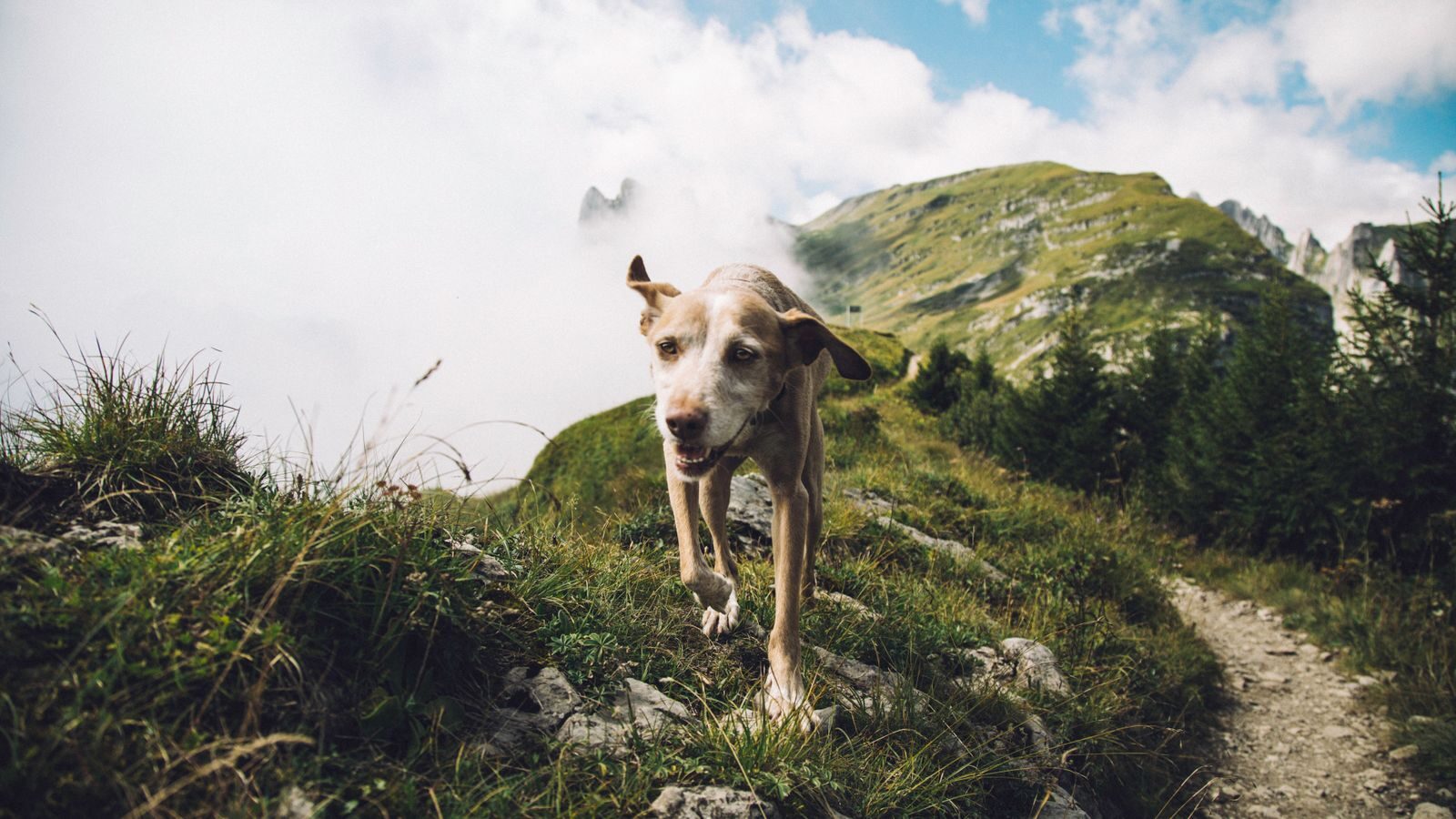
- Hiking: Offers mental stimulation with new views and smells. Calgary’s numerous ravine trails and Nose Hill Park provide great options.
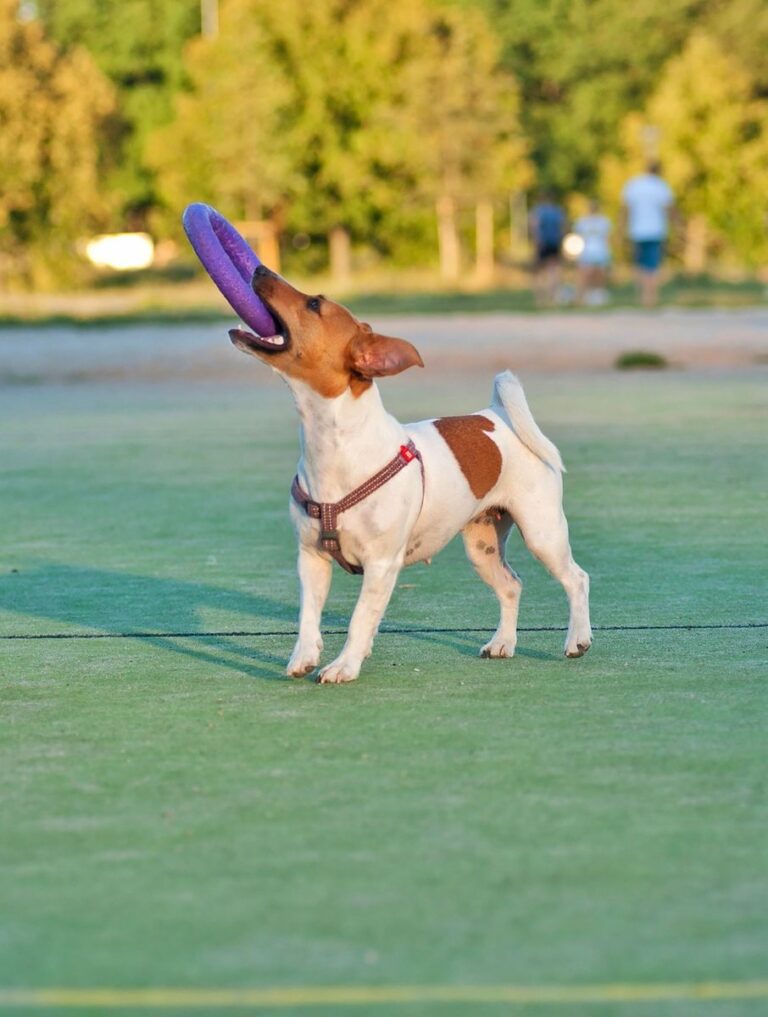
- Playtime: Tug-of-war, fetch, or simply playing in the yard counts.
- Swimming: Excellent low-impact exercise, great for joint health.
Exploring Calgary’s Parks and Trails
Calgary is fortunate to have excellent public spaces designed for dogs:
Popular Parks
- Nose Hill Park: Offers diverse terrain, including paved trails, dirt paths, and open fields. Check the dog-off leash policy zones.
- Calgary Zoo Ravine System: A network of interconnected ravine trails perfect for off-leash exploration (where permitted).
- City Park: Features walking paths and open spaces.
- Beltline Trail: A system of pathways circling the city, great for cycling with a dog or walking.
Walking Resources
Apps like Open Path are invaluable for finding dog-friendly trails across Calgary. Always check the specific trail details for accessibility, surface type, and potential hazards.
Safety First
Regardless of the activity, safety is paramount in Calgary:
- Know Your Dog: Are they good off-leash? What are their basic commands? Are they reactive to other dogs or cyclists?
- Check the Weather: Dress for the cold (or heat). Use gear like coats, booties, or snow pants if necessary.
- Bring Essentials: Water, waste bags, a leash, and perhaps a portable water bowl.
- Know Your Limits: Don’t push your dog beyond what they can handle. Signs of fatigue, shivering (inappropriate for the weather), or reluctance to continue are signals to stop.
- Respect Others: Be aware of cyclists and pedestrians. Keep your dog under reasonable control.
- Waste Management: Always clean up after your dog – it’s the law in Calgary and part of being a responsible pet owner.
Listen to Your Dog’s Needs
While these guidelines provide a framework, the most important thing is to understand your individual dog. Pay attention to their body language. A happy, relaxed dog that enjoys their activities is exercising enough. A dog panting excessively, avoiding activity, or showing signs of distress may be getting too much or too little.
When in Doubt, Ask for Help
If you’re unsure about your dog’s specific needs, don’t hesitate to consult your veterinarian or local Calgary animal resources. They can provide personalized advice based on your dog’s health, breed, and lifestyle.
Finding the right exercise routine for your Calgary dog is about balancing their individual needs with the beautiful, active environment we live in. By understanding their requirements and making safe, enjoyable activities a priority, you’re ensuring your best friend stays happy, healthy, and well-adjusted all year round.