In this story
Keep Your Calgary Dog Lean & Happy
As the crisp Calgary air settles in and snow blankets the foothills, our four-legged companions bring us endless joy. But with shorter days and longer indoor times, especially during the colder months, maintaining a healthy weight for your dog becomes even more crucial. Dog obesity isn’t just an issue in warmer climates; it’s a significant concern across Canada, including here in Alberta.
Obesity in dogs is more than just fluffiness – it’s a serious health problem that can lead to a host of complications, making them more susceptible to weather-related stress and limiting their ability to enjoy outdoor activities comfortably. From increased risk of arthritis and heart problems to difficulty regulating body temperature in our colder climate, the impacts of excess weight on a Calgary dog can be challenging.
The good news? Obesity is preventable, and by focusing on smart feeding, appropriate exercise, and regular vet check-ins, you can help ensure your dog stays healthy and active year-round.
Why Preventing Obesity Matters in Calgary
Calgary’s unique environment presents specific challenges:
- Reduced Activity in Winter: Long, cold winters naturally mean less time spent outdoors. Dogs need consistent, appropriate exercise to burn calories and maintain muscle mass, which helps with metabolism and keeps them comfortable in the cold.
- Cozy Indoor Life: With longer periods spent at home, tempting your dog with extra snacks or treats becomes easier. Mindful portion control is key.
- Temperature Regulation: Overweight dogs struggle more with heat (even in our occasional Calgary summers) and are more prone to cold-related issues.
- Health Consequences: Just like people, dogs carrying excess weight are at higher risk for serious health problems like diabetes, heart disease, arthritis, and certain cancers. These conditions can significantly impact your dog’s quality of life, especially as they age.
Understanding Your Dog’s Needs
Before diving into prevention, it’s essential to understand your dog’s specific needs:
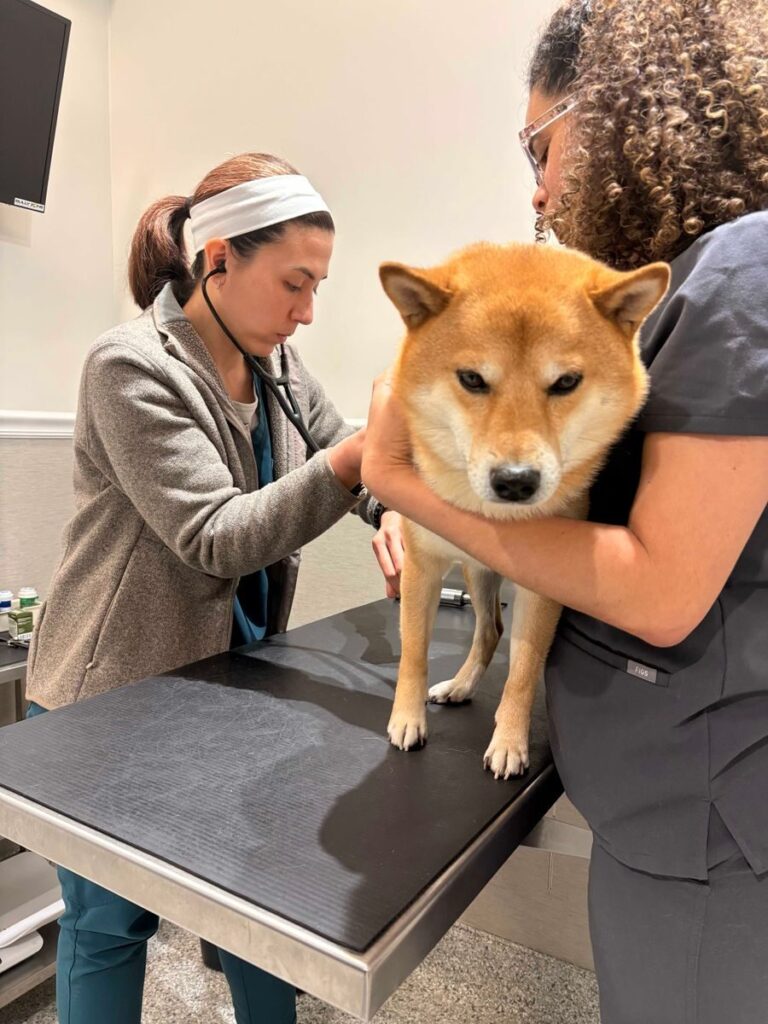
Consult Your Veterinarian
Your local Calgary veterinarian is your most valuable resource:
- Establish a Healthy Weight: Ask your vet to assess your dog’s current weight and determine a healthy target weight. They can provide breed-specific guidance.
- Discuss Diet: Talk about the best type of food for your dog’s age, breed, activity level, and any health conditions.
- Identify Health Risks: Your vet can help determine if your dog is at higher risk for weight gain based on breed or existing health issues.
Know Your Dog’s Breed and Age
Different breeds have different predispositions to weight gain. Generally, smaller breeds can often become overweight quickly, while larger breeds might gain more slowly but still face joint issues if overweight. Age also plays a role, as metabolism slows with time.
Monitor Portion Sizes
Even high-quality dog food can lead to weight gain if portions are too large. Always measure out food according to feeding guidelines on the bag, and adjust as your dog ages or activity levels change.
Smart Feeding Strategies
Preventing obesity starts with what and how your dog eats:
Choose the Right Food
- Look for Quality: Opt for complete and balanced foods from reputable Canadian brands. Check the ingredient list for high-quality protein sources as the first ingredient.
- Consider Life Stage: Ensure you’re feeding food appropriate for your dog’s life stage (puppy, adult, senior). Senior formulas often have fewer calories and added joint support.
- Avoid Free-Feeding: Leaving food out all day (except for certain working breeds with specific needs) often leads to overeating. Measure out meals instead.
Mindful Treats and Human Food
- Treats Should Be Minimal: Treats should make up no more than 10% of your dog’s daily calorie intake. Use small portions of healthy dog treats.
- Calorie Count: If giving table scraps, be mindful of portion sizes and the fact that many human foods are high in fat and calories. Some human foods can be toxic to dogs too!
- Positive Reinforcement: Use healthy, low-calorie treats for training or to reward calm behaviour at home.
Water is Essential
Ensure fresh, clean water is always available. Hydration supports metabolism and overall health.
The Importance of Exercise
Calgary’s great outdoors offers fantastic opportunities for exercise, even in winter:
Daily Walks and Playtime
- Aim for Consistency: Most dogs need at least two 30-minute walks per day, or structured play sessions. Adjust based on breed, age, and health.
- Vary Activities: Mix up walks with different routes or incorporate playtime in the backyard or at a local Calgary dog park.
- Winter Considerations: Dress your dog appropriately for cold weather if they tolerate it. Shorter walks in milder weather might be necessary during extreme cold snaps.
Leash Training and Socialization
- Controlled Exercise: Leash training allows for safe, controlled exercise and socialization opportunities at parks like Nose Hill Park or Stanley Park.
- Mental Stimulation: Puzzle toys and training exercises are great for mental stimulation and can be done indoors during harsh weather.
Consider Canine Sports
Activities like obedience training, flyball, agility, or even casual herding (if you have the right dog) can provide excellent physical and mental exercise without needing extensive outdoor time.
Don’t Overlook Playdates
Socialization with other dogs (in appropriate settings) is a great way to burn energy and enrich your dog’s life.
Regular Check-ins
- Schedule Vet Appointments: Regular weigh-ins at the vet are crucial. They can track weight changes and adjust recommendations as needed.
- Be Proactive: If you notice your dog gaining weight, discuss it with your vet early. They can help identify if there are underlying issues or if dietary adjustments are needed.
Community Resources
- Local Calgary Animal Services: They often have resources and information on pet wellness.
- Calgary Dog Parks: Utilize designated off-leash areas like those in Inglis Park or Bowne Park for socialization and exercise.
- Pet-Friendly Businesses: Many local businesses (like vet clinics or pet stores) can offer tips.
Conclusion: A Partnership for Life
Keeping your Calgary dog at a healthy weight is an ongoing commitment, not a quick fix. By working closely with your veterinarian, understanding your dog’s unique needs, practicing mindful feeding, and ensuring consistent, enjoyable exercise, you can help your furry friend thrive. A healthy weight means more energy for exploring our beautiful city, better mobility, and a longer, happier life together.
Remember, a lean dog is a happy dog – both for you and for Calgary’s two-legged and four-legged residents alike!