In this story
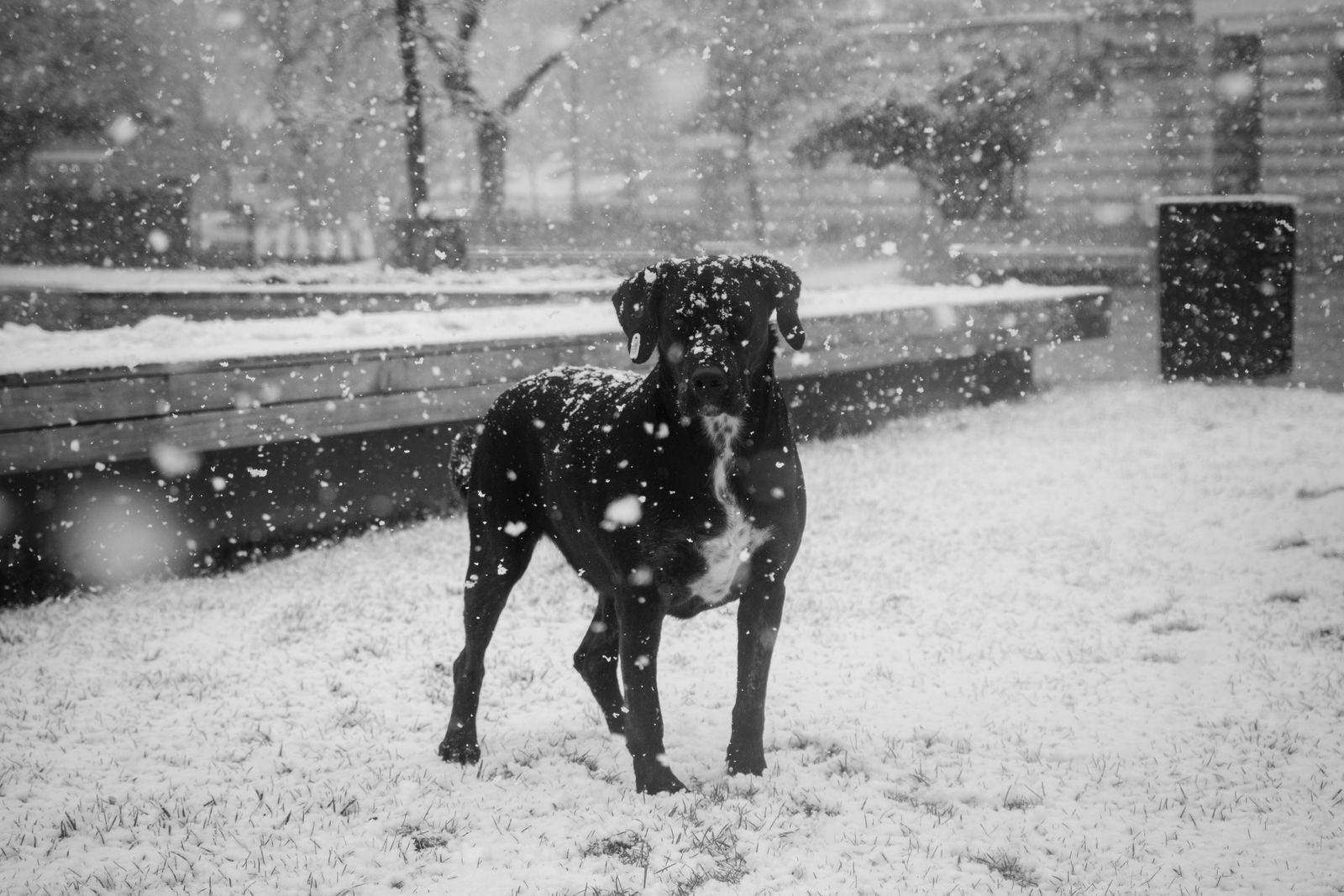
Calgary’s Cold Reality: Keeping Your Dog Comfortable in Extreme Weather
Calgary’s winters are legendary for their bone-chilling cold and heavy snowfall. As dog owners, we all want our furry companions to enjoy the great Canadian outdoors, but we also have a responsibility to ensure their safety during extreme weather conditions. While some breeds are built to handle colder climates better than others, no dog is truly immune to the dangers of extreme cold.
This guide will help you understand how to assess your dog’s cold tolerance, recognize the signs that it’s too cold, and keep your four-legged friend safe during Calgary’s coldest months.
Understanding Cold Tolerance in Dogs
It’s a common misconception that certain breeds, particularly those with thick coats, can withstand any temperature. While double-coated breeds like Huskies or Malamutes may tolerate colder temperatures better, and hairless breeds like the Chinese Crested certainly struggle, every dog has a cold tolerance limit.
Factors influencing how cold your dog can handle include:
- Breed and Coat Type: Dogs with thick, insulating coats generally handle cold better than those with thin coats or breeds developed for warmer climates. Breeds like the Canadian Eskimo Dog or the Greenland Dog are natural cold weather companions, while breeds like the Whippet or Basset Hound need extra protection.
- Age: Puppies, seniors, and dogs with health issues (like hypothyroidism or heart disease) are less tolerant of cold temperatures.
- Size: Smaller dogs generally lose heat faster than larger dogs due to their higher surface area-to-volume ratio.
- Health: Dogs with short muzzles (brachycephalic breeds like Bulldogs), heart disease, respiratory issues, or poor overall health struggle more in the cold.
- Body Condition: Overweight dogs have more insulation, while underweight dogs are at greater risk.
- Acclimatization: A dog that spends time outdoors gradually may build some tolerance, but this doesn’t mean they can handle extreme cold indefinitely.
Signs Your Dog is Too Cold
Knowing the signs that your dog is feeling the chill (or dangerously cold) is crucial. Here’s what to look for:
Early Warning Signs
- Shivering: While common in cold water, shivering is a dog’s primary way to generate heat. If your dog is shivering on land, especially if they seem lethargic or distressed, it’s a clear sign they’re too cold.
- Panting: Dogs pant to cool down, but in cold weather, panting can actually increase heat loss. Occasional panting might not be alarming, but persistent panting in cold conditions warrants attention.
- Whining or Whimpering: Some dogs will vocalize discomfort when they’re cold.
- Licking or Biting at Their Lips or Nose: This can be a sign of discomfort or even frostbite.
- Hiding: If your usually outgoing dog wants to be indoors or hide, they’re likely uncomfortable.
More Severe Signs (Hypothermia)
- Weakness or Lethargy: A dog that’s too cold will become weak and lack energy.
- Slow Heart Rate (Bradycardia): Below normal heart rate.
- Shallow Breathing: Also a sign of severe cold stress.
- Pale or Blue Gums: A medical emergency.
- Not shivering can also be a sign of severe cold, as the body shuts down its heat-generating mechanism.
Signs of Frostbite
- Redness or Swelling: Often on extremities.
- Hard or Waxy Skin: Affected areas may feel hard.
- Blisters: Can form.
- Changes in Skin Pigmentation: Frostbite can lead to permanent damage.
Checking for Frostbite
Check your dog’s ears, face, tail, and paw pads regularly when outdoors in extreme cold. Look for:
* Redness or unusual hardness
* Blisters
* Changes in skin colour
If you notice any of these signs, bring your dog inside immediately and gently warm the affected areas with a warm (not hot!) towel or by wrapping them in a soft blanket. Do not rub the area, as this can cause further damage.
How Long Can Dogs Stay Outside in the Cold?
There’s no simple answer. It depends entirely on the dog’s individual tolerance, as discussed above. However, as a general guideline for healthy, average-sized adult dogs with adequate coats, limiting outdoor time to 15-20 minutes at a time in extreme cold (-15°C and below) is often recommended.
This time should be significantly reduced for:
* Small breeds
* Thin-coated breeds
* Elderly or young dogs
* Dogs with health issues
* Dogs with wet coats or fur
Never leave dogs outside in the cold for extended periods, especially without access to shelter, water, or bedding.
Keeping Your Dog Safe Indoors
The safest place for your dog when temperatures plummet is inside your home. Here’s how to keep them comfortable:
Creating a Cozy Indoor Haven
- Warm Bed: Provide a warm, insulated bed away from drafts.
- Heated Pads: Options exist, but use with caution and monitor your dog closely to prevent burns.
- Break the Ice: Ensure fresh water is available indoors and never frozen.
- Limit Drafts: Check for drafts under doors and around windows.
- Adequate Exercise: Regular indoor or indoor-outdoor play helps maintain body heat.
Preparing for Outdoor Needs
- Snow and Ice: Use a pet-safe ice melt or sand on icy paths and stairs.
- Protect Paws: Commercial paw balms (look for small Canadian makers) can help protect against ice and salt chemicals.
- Protect Nose and Ears: Consider a sweater or jacket, and limit time when nose and ears are visibly cold.
What to Do If Your Dog Gets Cold
If you suspect your dog is too cold, act quickly:
- Bring them indoors immediately. This is the most important step.
- Offer warm water or food. This can help raise their core temperature slightly.
- Warm them gradually. Use warm (not hot) towels or blankets. Avoid direct heat sources like heating pads or radiators.
- Seek veterinary care if necessary. If shivering persists, they are lethargic, have pale/blue gums, or show signs of frostbite, contact your vet or the Canadian Veterinary Association emergency line immediately. Hypothermia and frostbite are serious conditions.
When to Keep Your Dog Indoors
Consider keeping your dog indoors entirely when:
* Wind chill warnings are in effect.
* Temperatures are consistently below -20°C, especially with wind.
* Your dog falls into a high-risk category (small, thin, elderly, young, health issues).
* You’re unsure about their tolerance.
Remember, it’s better to err on the side of caution when it comes to your dog’s health and safety in Calgary’s extreme cold.
Conclusion: Prioritizing Your Dog’s Comfort
Calgary’s winters bring beautiful snow and opportunities for fun, but protecting your dog from the cold is paramount. By understanding your dog’s individual needs, recognizing the signs of cold stress, and prioritizing their comfort, you can ensure they stay safe and happy all season long. Always prioritize indoor comfort when in doubt, and consult your veterinarian for breed-specific advice.