In this story
Taming the Tug: A Calgary Guide to Solving Leash-Pulling
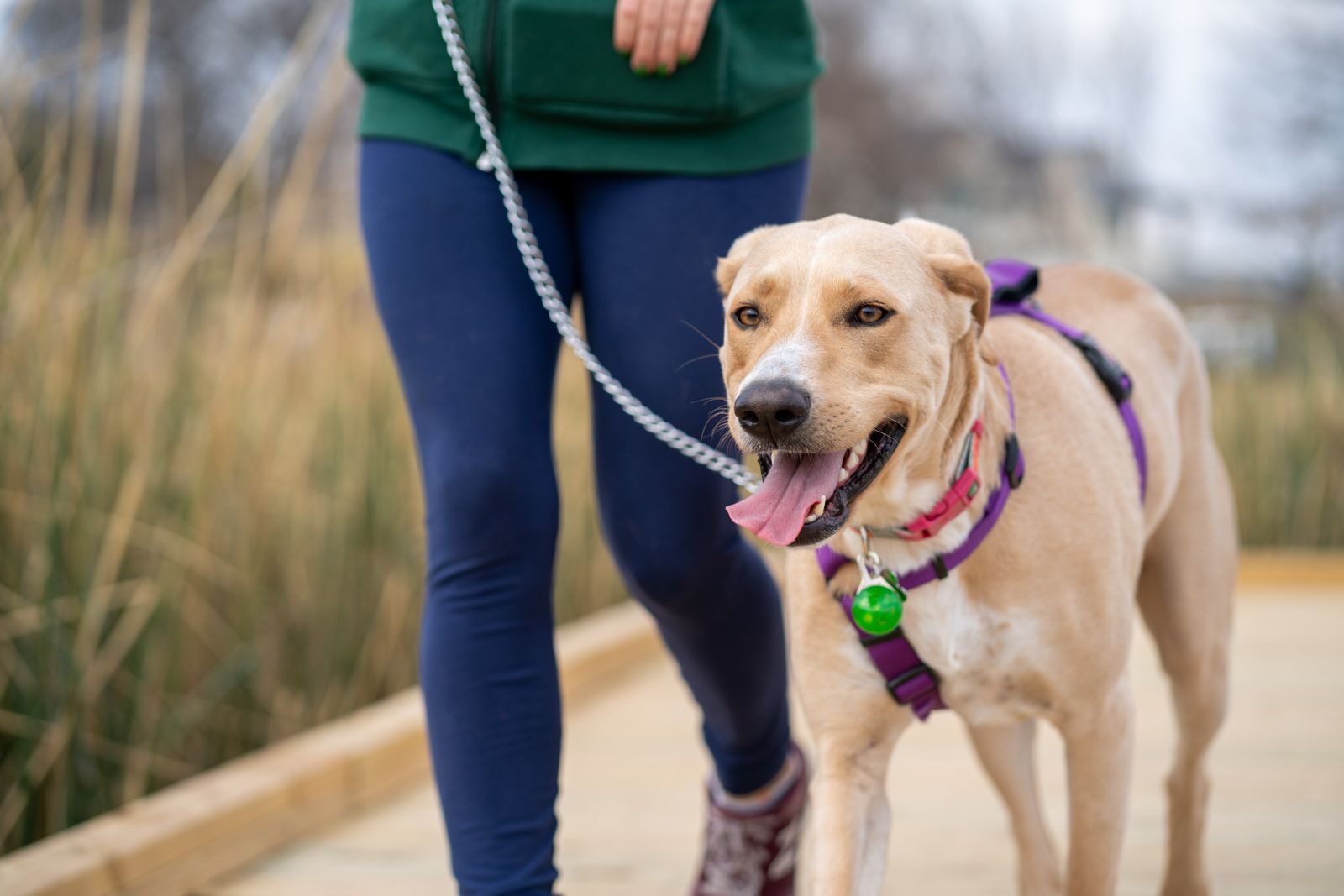
As proud Calgarians, we know the struggle all too well. Whether you’re navigating the busy pathways of Downtown Core or enjoying the crisp mountain air at Nose Hill Park, a walk with your furry companion should be a joy, not a battle. But let’s be honest, that feeling of being tugged relentlessly, especially when trying to cross the road or avoid that tempting squirrel, is enough to make anyone (or any two-legged person) reconsider their love for dog walking.
Leash-pulling isn’t just frustrating; it can actually make walking more dangerous for everyone. It strains the leash and the harness, risks damage to your equipment, and increases the chance of accidents, especially in a city like Calgary with its unpredictable weather and traffic. More importantly, it often means your dog isn’t getting the opportunity to truly enjoy the walk, sniffing interesting scents and soaking up the fresh air. But the good news? Leash-pulling is a behaviour that can be managed and corrected with patience and the right approach.
Understanding why your dog pulls is the first step towards fixing the problem. Is it because they see a squirrel? Are they trying to greet another dog? Do they simply associate walks with freedom to run? Addressing the root cause is key.
Understanding the Pull: Why Fido Has a Grip on You
Before we dive into solutions, it’s crucial to understand the motivations behind the pulling:
- Excitement: This is often the most common reason. The walk itself is an exciting adventure for many dogs, and pulling is how they express their enthusiasm. They might be fixated on a particular point of interest (a rabbit hole, a jogger, a mailman).
- Lack of Focus/Self-Control: Some dogs haven’t learned that walking calmly on a loose leash is the goal. They might get easily distracted.
- Communication: Dogs pull to communicate something. Maybe they want to go faster, turn the corner, or investigate something they see.
- Historical Reinforcers: If pulling used to get them where they wanted to go quickly (especially as puppies), they learned it works.
- Pack Mentality: Some dogs pull because they feel they need to be the leader, guiding you where they want to go.
The Calgary Canine Walk: Practical Solutions for a Tension-Free Trail
1. The Magic of a Loose-Leash Walk (Teach ‘Loose is Right’)
This is the foundational technique. You need to teach your dog that a loose leash means good things (or at least, nothing bad).
- Start Short: Begin indoors (like your Calgary living room) or in a fenced, distraction-free area.
- Reward Looseness: Every time the leash is loose, reward your dog with a happy tone, a gentle pet, or a small training treat (ensure it’s a small Canadian-made brand if using treats regularly).
- Anticipate Pulling: If you see the leash starting to tighten, stop walking calmly. Don’t pull back. Stand still, wait for the leash to go loose again, then reward and continue.
- Practice Patience: This takes time and consistency. Keep practicing, especially in low-distraction environments like your own yard or a quiet part of a Calgary park.
2. Master the ‘Leave It’ Command
This versatile command is invaluable. It helps your dog resist distractions (like squirrels) and can be used to ask them to stop pulling.
- Teach ‘Leave It’: Hide a treat or toy, ask ‘Leave It’, and reward them for ignoring it.
- Apply During Walks: When your dog starts to pull towards something interesting, say ‘Leave It’ firmly. If they comply and look away, reward them generously.
3. Harness the Power of Positive Reinforcement
Rewards are your best friend. Focus on rewarding calm walking, not stopping pulling.
- Timing is Everything: Reward immediately when your dog walks calmly beside you with the leash loose.
- High-Value Rewards: Use treats or praise that your dog genuinely loves. Calgary dog owners know that different dogs have different preferences.
- Avoid Punishment: Never jerk the leash, shout, or use pronged collars. This teaches fear and aggression, making the problem worse. Focus solely on rewarding the desired behaviour.
4. Manage the Environment to Minimize Pulling Triggers
Sometimes you can’t teach, you can only manage.
- Control Distractions: Keep walks short initially if your dog pulls easily. Avoid high-distraction areas until your training shows progress.
- Use a Pram or Towing Harness (If Appropriate): For dogs with strong pulling instincts, these can help by distributing pressure differently.
- Plan Ahead: If you know a particular park (like Fish Creek Provincial Park) has lots of wildlife, mentally prepare and be extra vigilant.
5. Address the ‘Why’: Tailor Your Approach
Why are they pulling? Tailor your training:
- If it’s Excitement: Use ‘Leave It’ and focus on rewarding calm observation. Short, frequent walks might be better initially.
- If it’s Lack of Focus: Practice longer walks in quieter areas, reinforcing the loose leash. Use cue words like ‘Heel’ or ‘Walkies’.
- If it’s Communication: Teach commands like ‘Come’, ‘Sit’, or ‘Stay’ to give you options before they start pulling.
- If it’s Pack Mentality: Consistently walk your dog, reinforcing that you are the leader by setting the pace and direction calmly.
6. Consistency is King (and Queen)
This is perhaps the most important tip. Everyone in the household needs to use the same techniques and respond the same way. Inconsistent rules confuse your dog and slow down the learning process. Make sure everyone from your family to your Calgary dog walking buddies understands the approach.
7. When to Seek Help
If you’ve tried these techniques consistently for several weeks and see little improvement, don’t hesitate to consult a professional dog trainer in Calgary. Look for trainers who use positive reinforcement methods.
Calgary Parks: Putting the Training into Practice
Calgary offers fantastic places to practice loose leash walking:
- Nose Hill Park: Offers varied terrain and opportunities to practice focus amidst distractions.
- Prince’s Island Park: A great option during warmer months with less traffic.
- Calgary Zoo: A controlled environment with lots of stimuli (but also a place to practice ignoring distractions).
- Your Own Backyard: The safest place to start and practice new skills.
Wrapping Up the Walk: A Calgarian’s Commitment
Taming your dog’s leash-pulling takes time, patience, and consistent effort. It’s about communication, understanding your dog’s needs, and redirecting their energy into something positive. By focusing on teaching loose leash walking through positive methods, you’ll not only solve a common frustration but also deepen your bond with your dog, making every Calgary walk a truly enjoyable experience for both of you. So, grab that loose leash, reward the calm, and enjoy the peace of the path.
Related posts:
 Master Loose-Leash Walking in Calgary: A Calm Companion for Busy Sidewalks
 Dog-Friendly Hiking Essentials: Your Calgary Companion Checklist
 Build a Confident Companion: Raising a Confident Puppy in Calgary
 Creating a Harmonious Multi-Dog Household in Calgary
 Why Positive Reinforcement Training Works Wonders for Your Calgary Dog