In this story
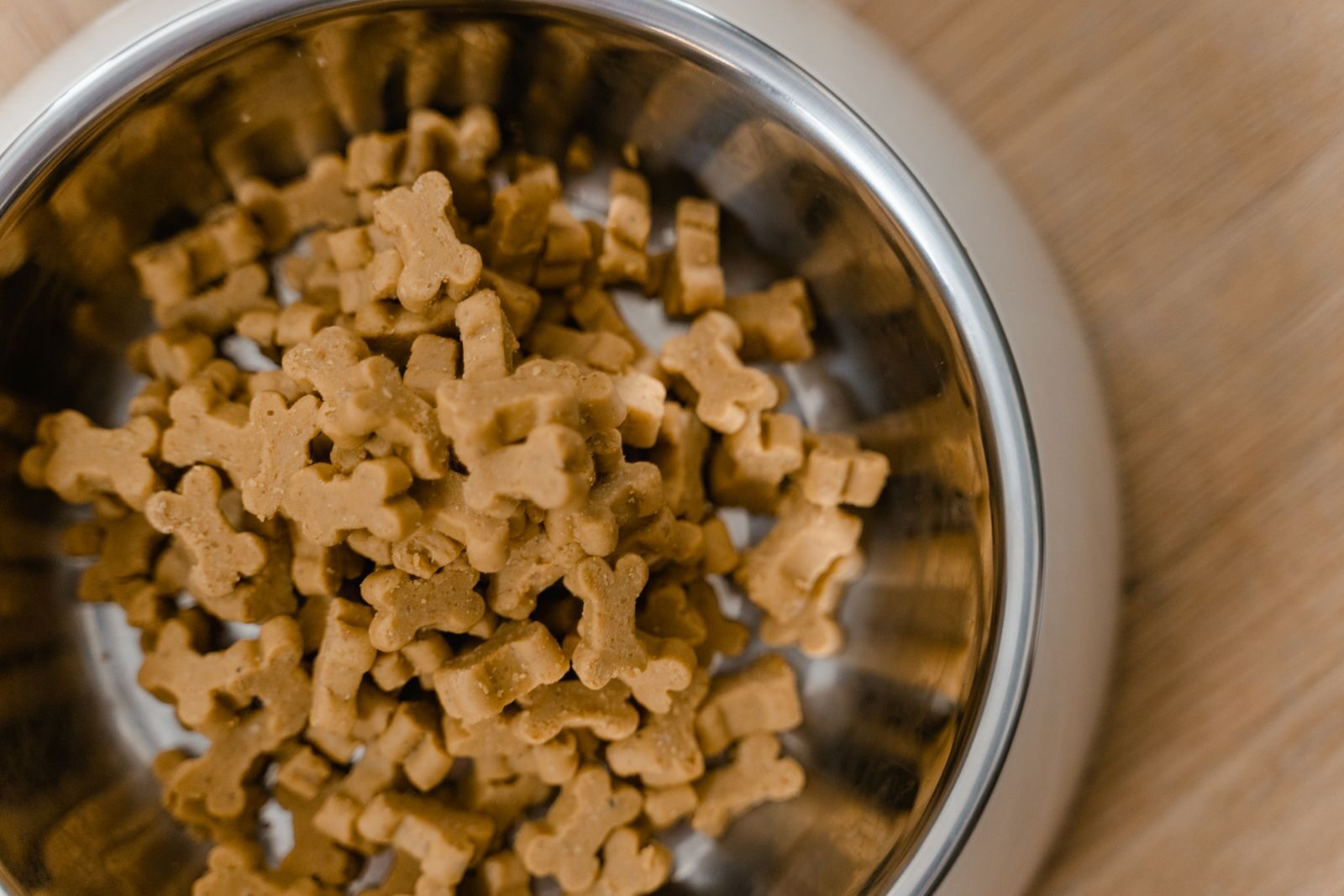
Why You Should Be Careful When Switching Dog Food
As proud Calgarian dog owners, we know how much our furry friends mean to us. We spend quality time, go on adventures at local parks, and ensure our dogs are happy and healthy. That’s why proper nutrition is so important, and sometimes, you may need to change your dog’s food for various reasons – whether it’s a grain-free option, a sensitive stomach concern, or trying a new flavour. While it might seem simple, switching dog food too quickly or improperly can actually cause digestive upset for your dog.
Dogs have sensitive digestive systems, just like people. Abruptly changing their food can lead to upset stomachs, vomiting, diarrhea, and even loss of appetite. It’s like introducing a completely different ingredient at dinner time without warning your stomach – not ideal! By taking a gradual approach, you allow your dog’s digestive system time to adjust, minimizing discomfort and ensuring the change is beneficial.
Many Calgarian dog owners have faced this challenge. Perhaps your vet recommended a specific food for a health issue, or you’re trying a new brand you heard about at the local pet store. Whatever the reason, understanding the proper technique ensures a smoother experience for both you and your canine companion.
The Gradual Transition Method: The Golden Rule
The absolute best way to switch your dog’s food is to do it gradually over several days or even weeks. This allows their digestive system to slowly adjust to the new food, minimizing the risk of gastrointestinal distress.
Step 1: Start Slowly
Begin by mixing a small amount of the new food with the current food. A good starting point is a 10% mix:
- Day 1: Mix 10% new food with 90% old food.
- Day 2: Increase to approximately 25% new food and 75% old food.
- Day 3: Around 50/50 mix.
- Day 4 to 7: Slowly increase the proportion of new food.
- Final Transition: By Day 10, your dog should be fully switched to the new food.
Step 2: Monitor for Reactions
This isn’t just about mixing; it’s crucial to watch your dog closely during the transition. Look out for:
- Changes in stool: Should remain firm and well-formed.
- Appetite changes: Slight dips can be normal, but significant refusal should be noted.
- Energy levels: Keep an eye on their usual activity and mood.
- Any signs of digestive upset: Vomiting or diarrhea warrants pausing the transition.
Step 3: Patience is Key
Every dog is an individual. While the general timeline is a guideline, some dogs adjust more quickly than others. Pay attention to your dog’s specific needs and temperament. If they seem comfortable halfway through, you can speed up slightly, but always err on the side of caution.
Why Gradual Transition Works
Your dog’s digestive system isn’t like a simple switch. It involves complex processes that take time to adapt to new ingredients. Sudden changes can disrupt the balance of bacteria in their gut, leading to digestive upset. Gradual introduction allows this balance to shift slowly, keeping everything stable.
Calgary-Specific Considerations
Calgary’s unique environment means our dogs experience different seasons. While food transitions are year-round, consider if the new food might better suit:
- Local climate: Does the new food offer better hydration support for hot summer days or better energy for winter activities?
- Local ingredient availability: Some foods use locally sourced ingredients, which might be more familiar to your dog.
What to Do If the Transition Isn’t Smooth
Even with the best intentions, things can go wrong. If your dog experiences digestive upset during the switch:
- Slow down or pause: Revert to the previous stage.
- Consult your vet: If the problem persists, your veterinarian is your best resource. They can advise if the new food is suitable or if there might be an underlying issue.
- Consider allergies: If digestive issues recur with different foods, food allergies might be a factor.
Other Factors to Consider
- Age and Health: Puppies, seniors, or dogs with health conditions need extra care during food transitions. Always follow your vet’s specific advice.
- Consult Your Veterinarian: Before making any significant dietary changes, it’s always recommended to discuss options with your Calgary vet. They can help determine the best approach based on your dog’s individual needs.
- Read Labels: Pay attention to ingredient lists and nutritional information to ensure the new food is appropriate for your dog.
Troubleshooting Common Issues
- Vomiting: Pause the transition and reintroduce the old food. If it continues, consult your vet.
- Diarrhea: Same as vomiting – slow down. If persistent, veterinary advice is needed.
- Refusing New Food: Mix in tempting treats (like small pieces of their usual kibble) or warm it slightly. Patience is key.
Conclusion: A Calgarian’s Responsibility
Switching dog food doesn’t have to be stressful for you or your dog. By following this gradual approach, you ensure a safer, more comfortable experience. Taking the time to transition properly shows your commitment to your Calgary dog’s health and well-being. Remember, when in doubt, always consult your veterinarian. They are your partners in ensuring your best friend receives the best nutrition possible in the beautiful city of Calgary.