In this story
Why Socialization Matters for Your Dog at Every Age
As dog owners in Ottawa, we know our canine companions are more than just pets—they’re family members. But have you ever stopped to consider how crucial socialization is for our four-legged friends? Many people think of puppy socialization first, the phase where young dogs learn to interact with people and other animals. While that early exposure is vital, the truth is socialization matters for your dog at every stage of life, from puppyhood to senior years.
Socialization isn’t just about going to the dog park or meeting new people. It’s a fundamental aspect of canine development that helps your dog navigate the world with confidence and ease. In this guide, we’ll explore why socialization is an ongoing process for dogs of all ages in the Ottawa community and how you can support it throughout your pet’s life.
Understanding Canine Socialization
Before we dive into the different life stages, let’s clarify what we mean by socialization. In simple terms, it’s about exposing your dog to various people, environments, sounds, and other animals in a positive way. The goal is to help them learn that the world isn’t something to be feared but something to be explored with curiosity and confidence.
It’s important to understand that socialization isn’t a one-time event. It’s an ongoing process that continues throughout your dog’s life. Just like humans, dogs benefit from continued exposure and positive experiences as they age.
The Critical Role of Early Socialization
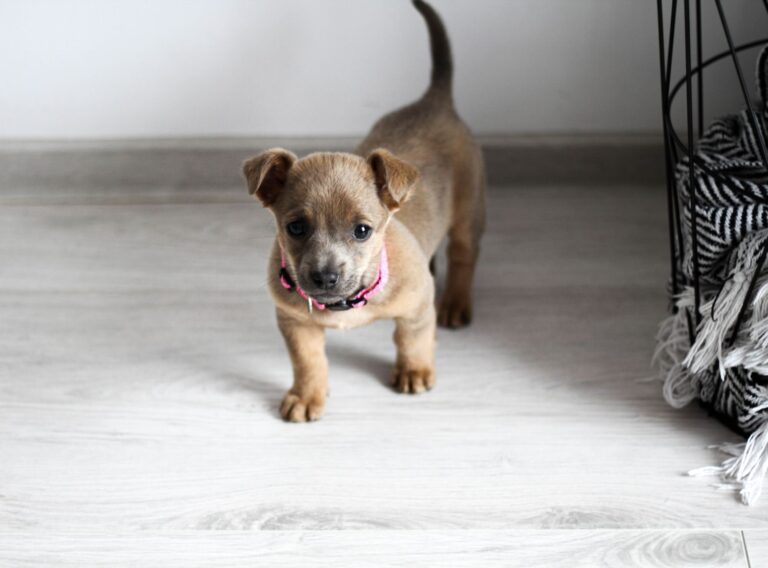
We can’t talk about canine socialization without mentioning puppyhood. The early weeks and months are indeed a critical period for social development. During this time, puppies are highly receptive to new experiences, making it the ideal time to introduce them to the sights, sounds, and smells of the world around them.
Key Elements of Early Socialization
- Exposure to People: Puppies should meet people of all ages, including children, adults, older adults, and people with different appearances and clothing.
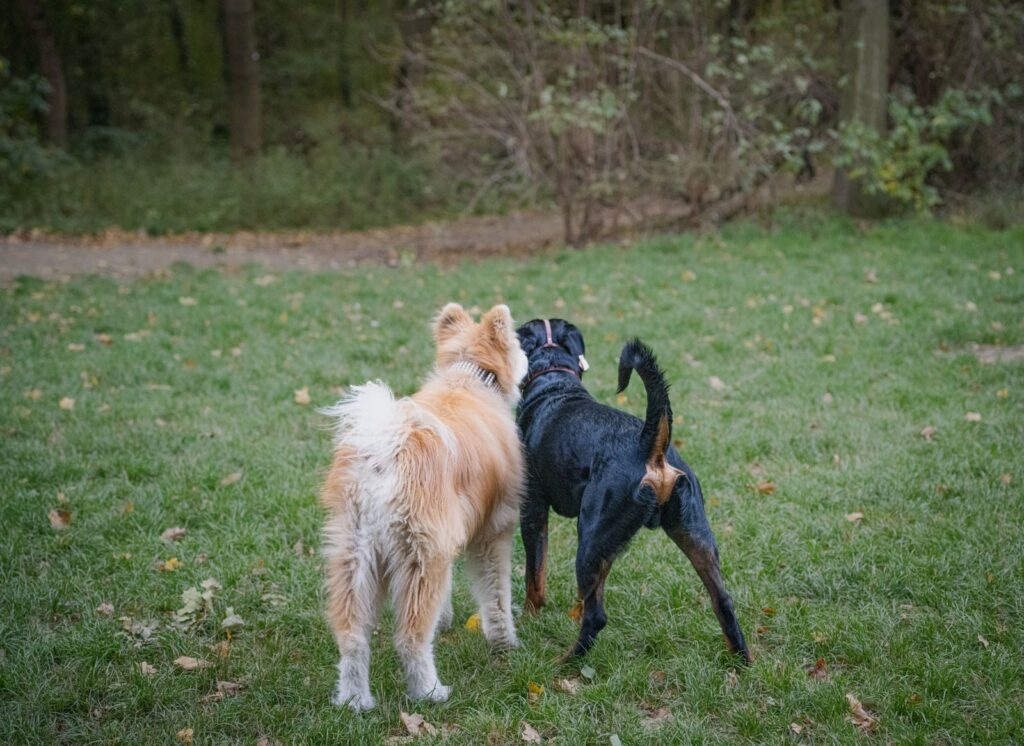
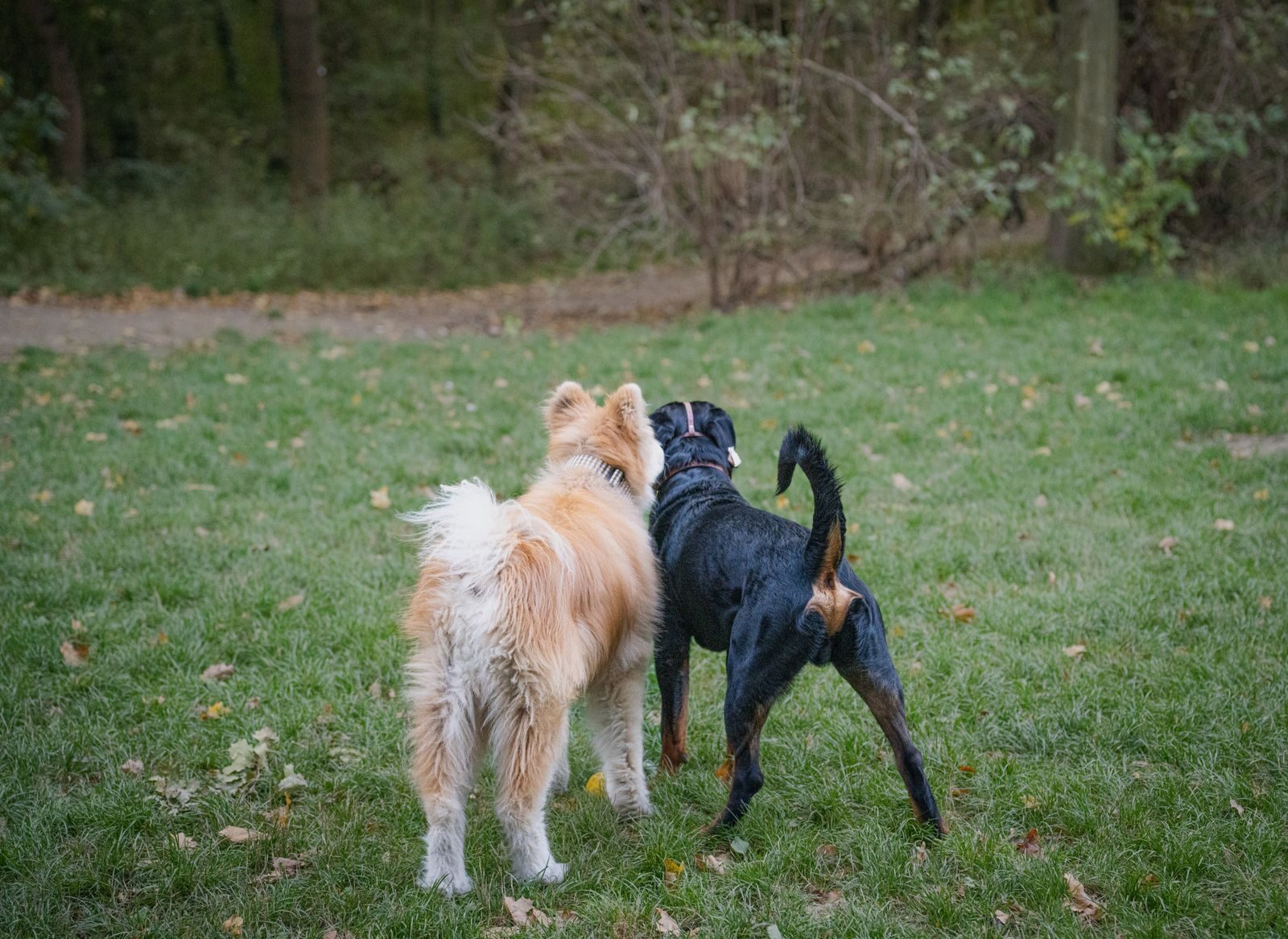
- Exposure to Other Dogs: Gentle interactions with various temperaments and sizes of dogs help them learn appropriate play and communication.
- Environmental Exposure: Getting used to everyday sounds like traffic, vacuum cleaners, and the hustle of a busy park helps build resilience.
- Positive Reinforcement: Always link these experiences with praise, play, or small treats to create positive associations.
Remember, the focus should be on gentle, positive interactions during this crucial period. Forceful or negative experiences can lead to fear-based aggression later in life.
Socialization During the Adolescent Phase
As puppies grow into adolescents, typically between 6 months and a year old, their social development continues. This is the phase where they begin to form their own personalities and test boundaries.
Managing Adolescent Challenges
Adolescence can be a tricky time for both dogs and their owners. You might notice your dog becoming more wary of new situations or people they weren’t previously comfortable with.
- Consistency is Key: Maintain the positive socialization practices you started early on.
- Manage Overwhelming Situations: If your dog seems overwhelmed in certain situations, allow them to retreat and try again later.
- Reinforce Good Social Skills: Praise and reward calm, confident behavior around people and other dogs.
Lifelong Socialization for Adult Dogs
Many people believe that once a dog reaches adulthood, socialization isn’t necessary anymore. This isn’t quite accurate. Adult dogs still benefit from ongoing socialization to maintain their confidence and adaptability.
Keeping Adult Dogs Socially Fit
- Regular Walks: Regular strolls through different parts of Ottawa, from Byward Market to Kanata, expose your dog to new sights and sounds.
- Safe Dog Parks: Utilize well-moderated areas like Centennial Park in Ottawa for controlled interactions with other dogs.
- Positive Reinforcement: Continue to reward calm and friendly behavior around people and other animals.
- Managing Changes: Even adult dogs can become anxious with significant life changes, like a new family member or a move. Gradual exposure can help them adjust.
Socialization for Senior Dogs
As dogs enter their senior years, their social needs may change, but they still require positive interactions. While they might prefer quieter environments, they still benefit from gentle socialization.
Adapting Socialization for Seniors
- Gentle Interactions: Short, positive encounters with familiar people and environments can help maintain their well-being.
- Comfort is Key: Allow them to participate on their own terms and take breaks when needed.
- Veterinary Care: Regular check-ups ensure any age-related health issues don’t interfere with their social experiences.
The Ottawa Advantage: Community Socialization Opportunities
Ottawa offers numerous opportunities for socialization. Whether it’s exploring the trails along the Rideau Canal, enjoying the local parks, or attending community events, there’s no shortage of chances to enrich your dog’s social life.
Remember to always prioritize safety during socialization. Ensure your dog is up-to-date on vaccinations, especially for parvovirus, when interacting with unknown dogs. Leash training is also essential for managing socialization interactions effectively.
The Lifelong Benefits of Proper Socialization
The effort invested in socializing your dog at every age pays off in numerous ways:
- Improved Mental Health: Socially confident dogs are less likely to develop anxiety or fear-based aggression.
- Better Behaviour: Well-socialized dogs are generally calmer, easier to manage, and less reactive in various situations.
- Stronger Bond: A well-adjusted dog often forms a stronger, more trusting bond with their human family.
- Adaptability: Dogs that are accustomed to various experiences adapt better to changes in their environment.
Conclusion: Socialization is a Lifelong Journey
Socialization isn’t just something to get through with your puppy. It’s a vital component of your dog’s overall health and happiness that continues throughout their life. By understanding and supporting their social development at every age, you’re giving your Ottawa-area companion the best chance at a fulfilling, stress-free life.
Remember, every dog is an individual, and their social needs will vary. Observing your dog’s reactions and adapting your approach is key. If you have concerns about your dog’s social development, consulting resources like the Ottawa Humane Society or your local veterinarian can provide valuable guidance.
Start planning those positive social experiences today—your furry friend will thank you for it all their lives.