In this story
Harmonious Multi-Dog Living in Mississauga: A Guide for Pet Owners
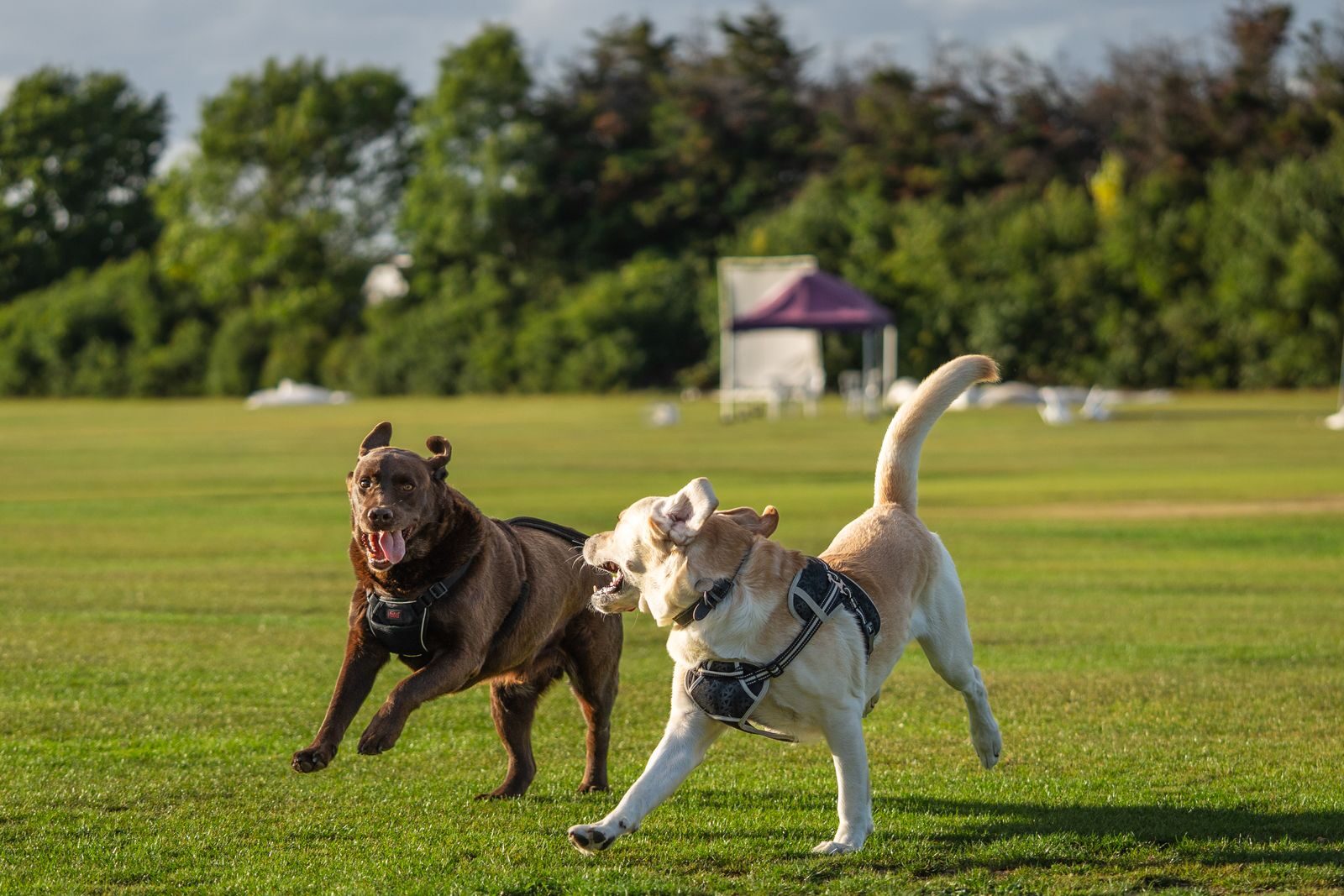
Bringing more than one dog into your home in the diverse city of Mississauga can be incredibly rewarding. The sound of multiple happy barks, the shared excitement of a walk, and the companionship for all household members are just a few benefits. However, managing a multi-dog household requires specific knowledge and consistent effort to ensure a harmonious and safe environment for everyone involved – all four-legged members included.
It’s more than just having two or three dogs; it’s about understanding how they interact, managing their needs collectively, and preventing potential conflicts. Whether you’re a new Mississauga resident bringing a friend for the dog or an established pet parent expanding your family, this guide offers practical advice tailored to the unique dynamics of raising multiple dogs together.
Understanding the Multi-Dog Environment
The Advantages of Multi-Dog Households
Introducing a second dog can provide numerous advantages:
- Natural Companionship: Dogs are often pack animals, and having multiple companions can reduce separation anxiety and provide constant interaction for all dogs.
- Socialized Development: Puppies raised with other dogs (supervised, of course!) often socialize better and learn more complex social cues.
- Easier Training: While individual training is still crucial, some behaviours can be addressed through group training exercises.
- Built-in Playmates: Less boredom for your dogs, leading to potentially better behaviour and less destructive chewing.
Key Considerations for Mississauga Homeowners
Before welcoming another dog, consider your current dog’s temperament and your lifestyle:
- Temperament Compatibility: Does your first dog enjoy the company of others? Some dogs are naturally wary or dominant. Introducing incompatible dogs can lead to stress or aggression.
- Space and Resources: Ensure you have adequate space for both dogs to establish their own areas and resources (food, water, beds) without excessive competition.
- Time Commitment: Managing two dogs requires more supervision, training time, and attention than one dog.
- Financial Responsibility: Costs increase for food, supplies, grooming, vet visits, and potential boarding/training services.
Foundational Best Practices: Training and Socialization
Early and Consistent Training
This is arguably the most critical aspect of a successful multi-dog household. Training should begin early and be consistent for all dogs.
- Household Rules: Establish clear rules for both dogs regarding greetings at doors, who gets which bed, and resource guarding. Consistency prevents confusion.
- Command Uniformity: Use the same commands for the same actions across all dogs (e.g., “leave it,” “drop it,” “go to bed”).
- Individual Reinforcement: While group training can work, ensure each dog receives individual praise, treats, or affection when they exhibit good behaviour, especially if they tend to be more aloof.
- Professional Guidance: Consider working with a trainer experienced in multi-dog dynamics, especially during the initial introduction phase in Mississauga or if you face specific challenges. Look for trainers affiliated with organizations like the Ontario Veterinary College (OVC) for Behaviour.
Effective Socialization
Proper socialization is vital for preventing future conflicts.
- Controlled Introduction: Never leave two unfamiliar dogs alone together unsupervised, even if they seem friendly. Controlled introductions are key.
- Step 1: Keep dogs on leashes in separate rooms.
- Step 2: Allow controlled sniffing while supervised.
- Step 3: Short, supervised play sessions.
- Step 4: Gradual, gradual increase in time together.
- Positive Experiences: Ensure all interactions are positive. Reward calm, friendly behaviour.
- Exposure to Different Environments: Take your dogs together to various Mississauga parks, ensuring they are on-leash where required and supervised. Good exposure helps them learn to coexist peacefully.
- Resource Desensitization: Teach dogs that resources (food, beds, toys) are not to be guarded. Use commands and positive reinforcement.
Managing Space, Resources, and Household Harmony
Preventing Resource Guarding
This is a common issue in multi-dog homes.
- Multiple Resources: Provide separate food bowls, water dishes, beds, and toys for each dog.
- Supervised Feeding: Initially, feed dogs in separate rooms or closely supervise meal times to prevent guarding.
- Use of Barriers: Baby gates or playpens can create separate spaces during high-energy times or meal times.
- Command Training: Teach “leave it” and “drop it” so you can intervene if guarding occurs.
Designing a Multi-Dog Home
- Sufficient Sleeping Areas: Ensure each dog has their own comfortable, quiet space.
- Separate Bathroom Access: Having separate litter boxes (if applicable) or designated potty areas can reduce conflict.
- Designated High Places: Elevated beds or shelves can provide escape routes or preferred spots.
- Managing Leash Walking: Ensure all dogs are securely leashed. Keep walks brief initially to avoid fatigue or dominance issues.
Addressing Potential Issues
- Separation Anxiety: If one dog shows anxiety when the other is away, consider crate training for both, ensuring the crates are separate and used positively.
- Noise Tolerance: Some dogs may be sensitive to other dogs’ barking or baying. Provide cozy, soundproofed spaces if needed.
- Boredom and Destructiveness: Ensure both dogs get enough exercise and mental stimulation. Mississauga offers many parks and trails for off-leash fun (where permitted), and indoor enrichment toys can help.
Health Considerations for Two Dogs
Shared Healthcare
- Vet Visits: Schedule regular wellness checks. While one visit covers both, ensure you discuss the dynamics during the check-up.
- Vaccinations and Parasite Control: Ensure all dogs are up-to-date on preventative care. Consult your vet if there are specific needs.
- Microchipping: Ensure all dogs are microchipped and that the information is updated.
Grooming Needs
- Bathing: Schedule grooming based on each dog’s specific needs, which may differ.
- Nail Trimming: Regularly trim nails for both dogs.
- Dental Care: Maintain good dental hygiene for all dogs.
Weight Management
Monitor the weight of all dogs, as obesity can exacerbate behaviour issues and health problems. Adjust food portions and exercise accordingly.
Community Resources in Mississauga
Finding Help Locally
Mississauga offers various resources for pet owners:
- Mississauga Animal Services: Offers information, licensing, and reporting services.
- Local Dog Trainers: Search for experienced trainers in the area.
- Dog Parks: Utilize designated off-leash areas like the Credit River Dog Park in Port Credit or parks in other community areas, always respecting leash laws and other owners’ right to enjoy their pets calmly.
- Dog Sports: Activities like agility, obedience, or earthdog trials can be excellent outlets for energy and socialization for multiple dogs.
- Pet-Friendly Businesses: Many cafes and shops welcome dogs (often on leash), contributing to a pet-friendly community.
Conclusion: A Harmonious Future
Raising a multi-dog household in Mississauga requires commitment, patience, and understanding. By focusing on early training, careful socialization, adequate space, resource management, and addressing health needs, you can create a happy, harmonious home for all your canine companions. Remember that every dog is an individual, and while these best practices provide a strong foundation, ongoing observation and adaptation are key to a successful multi-dog life in the diverse and welcoming community of Mississauga.
Related posts:
 Creating Harmony: Best Practices for Multi-Dog Households in Montreal
 Creating Harmony: Best Practices for Multi-Dog Households in Hamilton
 How to Boost Your Dog’s Confidence in Mississauga
 Walking Your Reactive Dog in Mississauga: Tips for Calm and Confident Strolls
 Creating a Harmonious Multi-Dog Household in Calgary