In this story
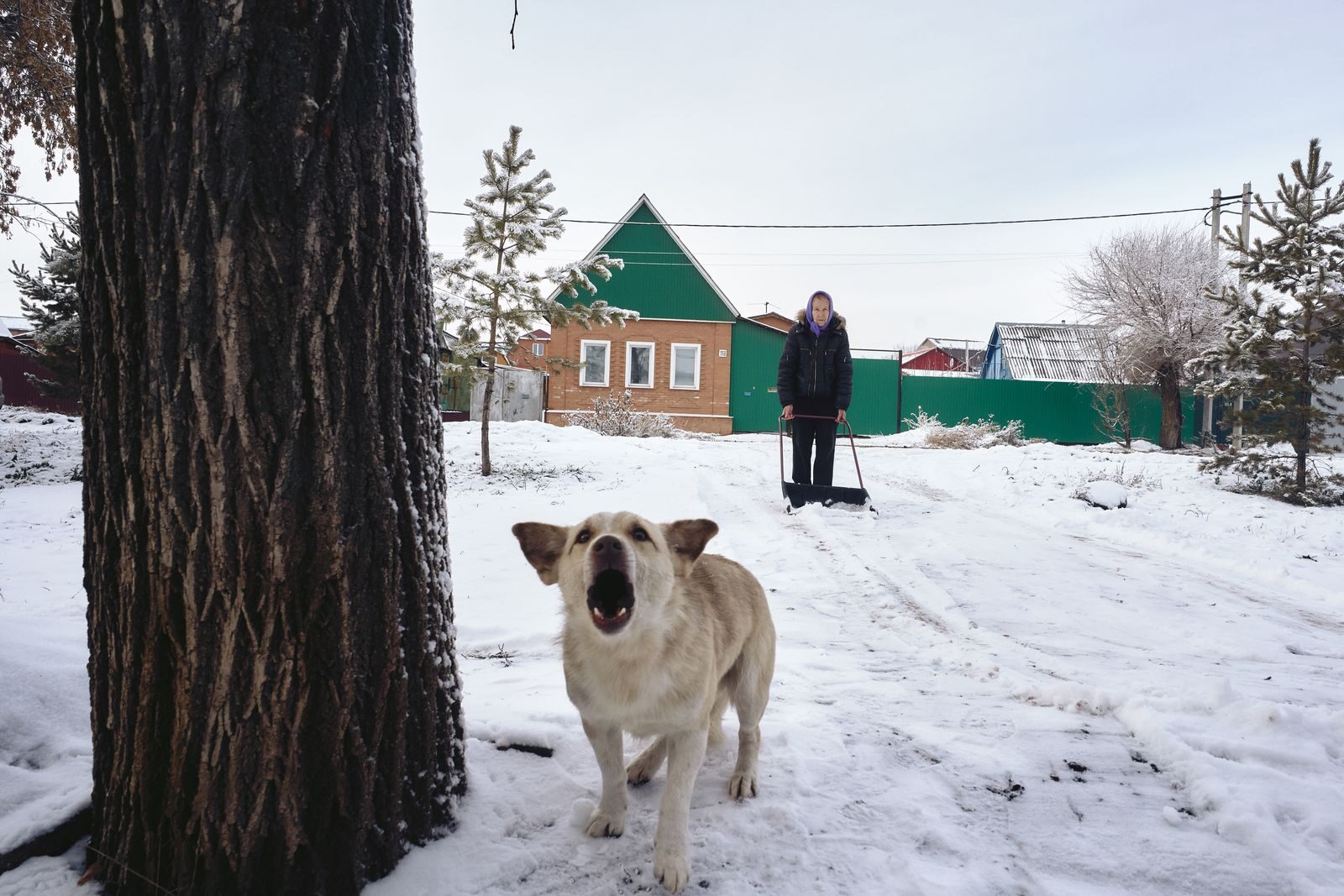
Understanding the Root of the Barking
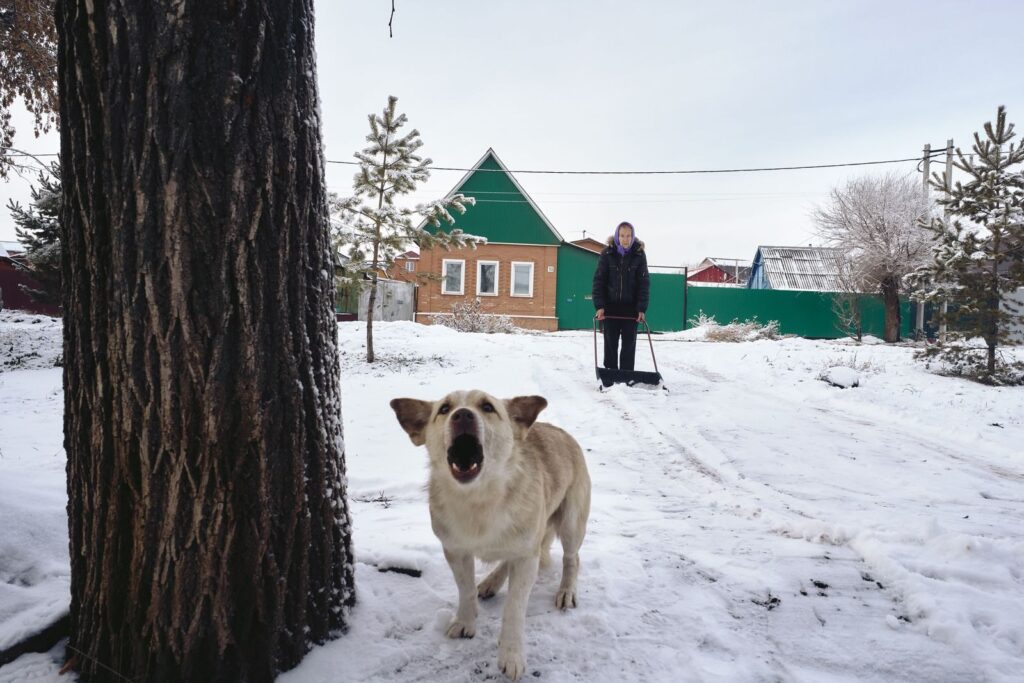
The first step in managing your Winnipeg dog’s barking is understanding why they’re doing it. Barking is a dog’s natural form of communication, and in Winnipeg’s unique environment—from the harsh winters to the bustling city life—dogs bark for various reasons:
- Attention-Seeking: Does your dog greet you at the door with a symphony only you can decipher? They learned that barking gets your attention.
- Fear or Anxiety: Winnipeg’s unpredictable weather or loud city sounds might trigger anxiety, causing your dog to bark defensively.
- Boredom or Lack of Stimulation: Long winters mean less outdoor time. If your dog isn’t sufficiently mentally or physically tired, they may bark out boredom.
- Territorial Behavior: Is your dog warning you (or the neighbour’s mail carrier) about their perceived territory? This could range from the front doorstep to the backyard.
- Hearing Stimulation: Winnipeg’s parks (like Osborne or Memorial) can be stimulating. Dogs bark to join in the fun or alert you to something they find interesting.
Identifying the specific trigger for the barking is crucial. Observe your dog closely: what happens just before they start barking? What are they focused on? When does the barking escalate or cease?
Positive Training Techniques: The Humane Approach
Never resort to punishment, as this can damage your bond and potentially teach fear. Instead, focus on positive, reward-based training:
1. Teach the “Quiet” Command
*   Start when your dog is barking moderately, not wildly.
*   Use a clear, consistent cue like "QUIET" or "Silent."
*   Mark the desired moment they pause (even for a second) with a clicker or enthusiastic 'yes!'.
*   Immediately reward with a high-value treat.
*   Repeat until they associate the cue with stopping to earn a reward.
*   Practice in quiet environments first, gradually introducing more distractions.
2. Ignore Attention-Seeking Barking
*   If your dog barks for attention, resist the urge to look at, talk to, or reward them.
*   Wait patiently for them to stop barking completely.
*   As soon as they fall silent, say "Okay" calmly and redirect their focus to something else (like a puzzle toy or sniffing a different area).
*   Only reward calm, quiet behaviour. Consistency is key.
3. Address the Underlying Need
*   **Boredom:** Ensure your dog gets ample daily exercise (even indoor activities like puzzle toys or hide-and-seek!) and mental stimulation. Winnipeg winters can be long, but indoor enrichment is vital. Consider activities like training sessions, snuffle mats, or safe indoor games.
*   **Fear/Anxiety:** Create a safe, quiet space for your dog during stressful times. This could be a specific room or crate (if they are crate-trained and comfortable). Consult your vet or a Winnipeg animal behaviourist if anxiety is severe.
*   **Excitement:** When your dog greets the door excitedly and barks, try calmly ignoring them until they settle down before interacting.
Environmental Management
Sometimes, managing the environment can significantly reduce barking:
- White Noise: Winnipeg’s winters can be noisy outside. Playing calming white noise or background sounds (like a radio or fan) can sometimes mask external triggers and help your dog feel calmer indoors.
- Gradual Desensitization: If barking is triggered by specific sounds (e.g., doorbells, passing cars), you can gradually expose your dog to these sounds at a low, comfortable level while they are calm, then slowly increase the volume.
- Manage Access: If barking occurs because they can see or hear things outside (like squirrels or other dogs at the park), consider managing their access to those triggers temporarily.
Seeking Professional Help
If you’ve tried these methods and barking persists or seems excessive, don’t hesitate to seek help:
- Your Veterinarian: Rule out any medical issues causing anxiety or pain.
- Certified Winnipeg Animal Behaviour Consultants: Professionals like those affiliated with the Association of Professional Dog Trainers (APDT) or similar organizations in Manitoba can provide personalized guidance.
- Winnipeg Humane Society or SPCA: They may offer resources or referrals to qualified professionals.
Prevention is Key
Preventing barking situations before they start is often easier than stopping the barking itself:
- Exhaust Them: A tired dog is less likely to bark excessively. Ensure they get sufficient physical exercise and mental fatigue.
- Prevent Access to Triggers: If certain areas or objects trigger barking, block access.
- Socialization: Proper socialization during puppyhood (following Winnipeg’s climate and lifestyle considerations) can help prevent fear-based barking later on.
Final Thoughts for Winnipeg Dog Owners
Managing barking is a journey, not an overnight fix. Patience, consistency, and understanding are your greatest tools as a Winnipeg dog owner. By addressing the root cause with positive techniques and creating a supportive environment, you can help your furry companion live a quieter, more relaxed life right here in the Peg. Remember, a well-managed dog is a happy dog, and Winnipeg is lucky to have such great companionship.
Related posts:
 How to Train a Reliable Recall in Winnipeg
 Why Mental Exercise for Your Winnipeg Dog is More Important Than You Think
 Harmonious Paws: Best Practices for Managing a Multi-Dog Household in Winnipeg
 Understanding and Managing Canine Jumping in Winnipeg
 Winnie the Pooh Leash Walks: Teaching Your Dog the Loose-Leash Secret