In this story
Understanding and Managing Canine Jumping in Winnipeg
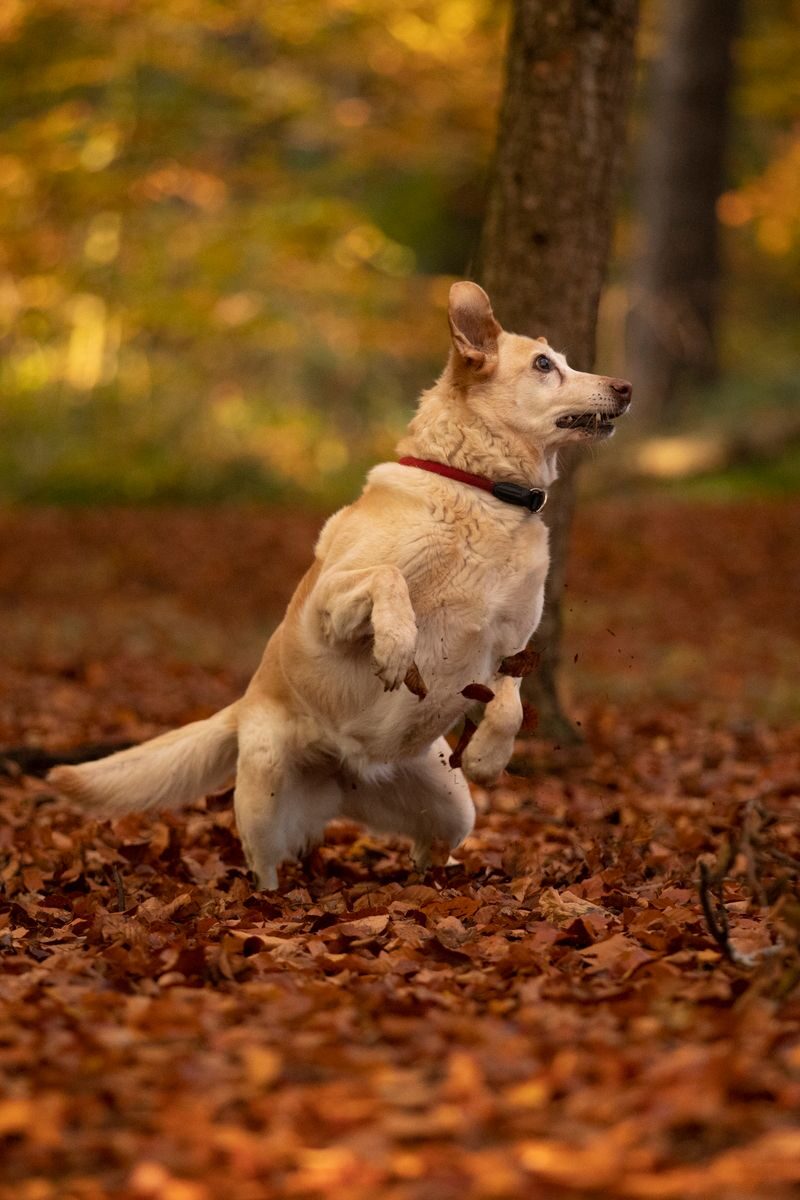
Ah, Winnipeg! From the frozen tundra to cozy coops, we’ve got weather that tests our resilience. But when it comes to our furry friends, sometimes their enthusiasm can feel just as intense, especially when it involves jumping. If your dog greets visitors, the mail carrier, or even the newspaper dog (yes, we get those here too!) by launching themselves onto people, furniture, or passing cars, you’re not alone. Many Winnipeg-area dog owners encounter this delightful (or sometimes exasperating) behaviour. Let’s dive into why dogs jump and explore some practical, kind ways to manage it.
Why Does My Dog Jump Up?
Dogs jump for a variety of reasons, often linked to their natural instincts, experiences, and communication style. Understanding the “why” is the first step towards addressing the “how.” Here are some common Winnipeg scenarios and the potential triggers:
1. Excitement and Enthusiasm
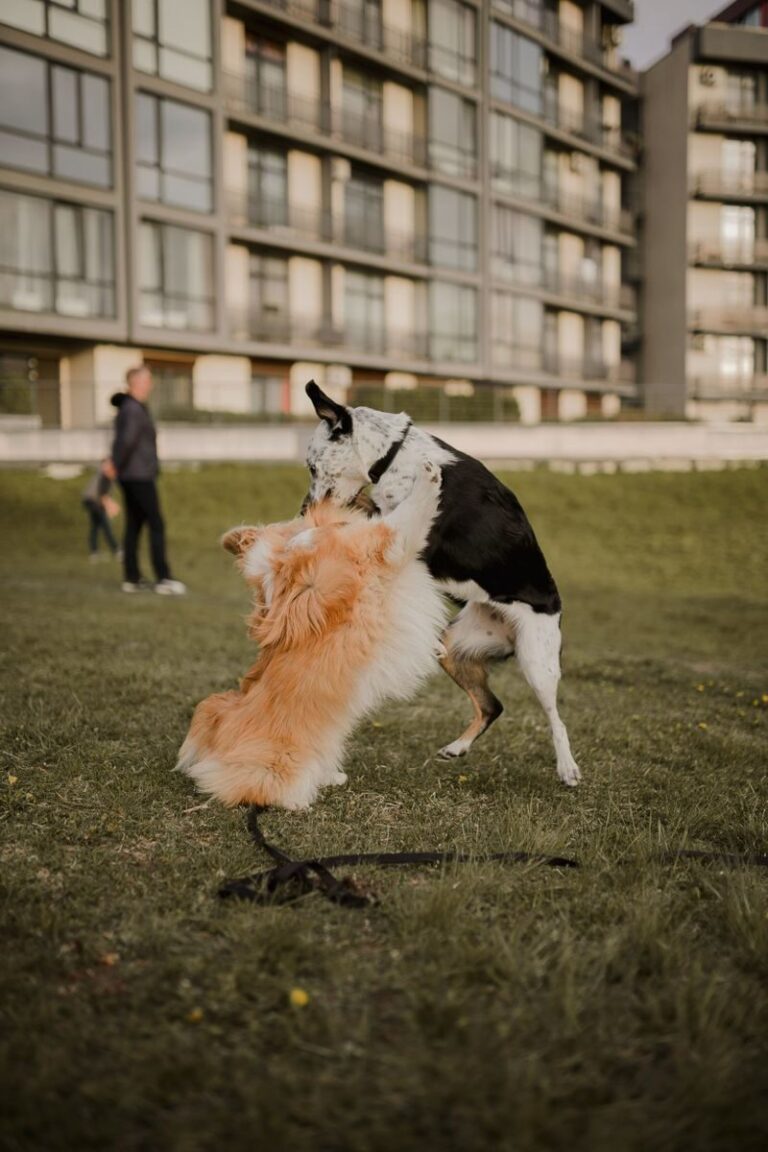
- The Meet-Up: This is probably the most common reason. When your dog sees someone they know or a new person entering the room, their excitement can literally make them bounce. Think of it like a kid running to greet a friend – lots of energy, lots of jumping. This is often seen at the dog park near Osborne Village or when you get home from being away.
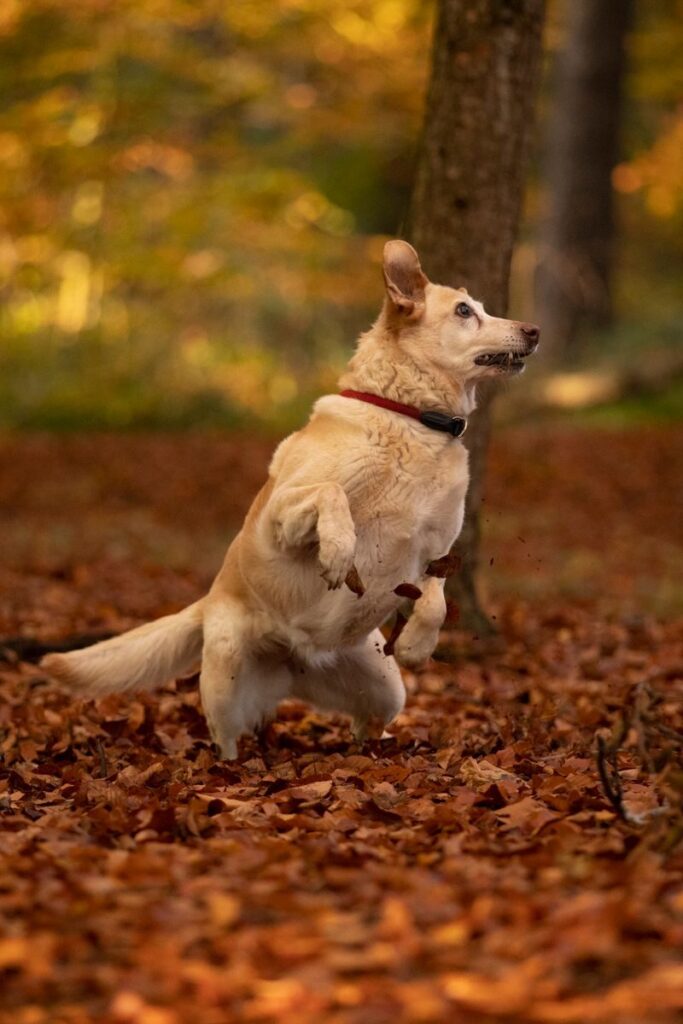
- The Chase: If your dog loves chasing squirrels (a classic Winnipeg pastime!) or cars on Main Street, the anticipation and excitement can lead to jumping as they prepare to pounce.
2. Greeting and Social Interaction
- A Welcoming Gesture: In some breeds or individuals, jumping is their primary way of greeting. It’s a form of social engagement, showing off their paws (or maybe just expressing pure happiness). Think of it as a canine handshake, albeit with more enthusiasm.
- Lack of Alternative Greetings: Sometimes, dogs jump because they haven’t been taught other ways to greet people, like sitting politely or just a happy wiggle.
3. Fear or Anxiety (Less Common, But Possible)
- Seeking Protection: In rare cases, jumping might be linked to anxiety. A dog might jump to get a better view or to try to intimidate someone they perceive as a threat, thinking it will keep them safe. This might happen near less common Winnipeg sights like the Churchill Falls viewpoint or during unusual weather.
- Involuntary Response: Sometimes jumping can be an involuntary reaction to fear, especially in certain contexts.
4. Seeking Attention
- The Attention Grab: Jumping can be an attention-seeking behaviour. If your dog gets attention (even negative attention like reprimands) when they jump, they might learn that it’s an effective way to get what they want.
- Learned Behaviour: Puppies often jump as a way to interact, and if people respond enthusiastically, it can become a learned habit.
Is Jumping Always a Problem?
In moderate excitement, jumping is often just a sign of a happy, energetic dog. However, it becomes a concern when it’s excessive, leads to mouthing or biting, or makes greetings difficult and potentially embarrassing or unsafe. In a city like Winnipeg with its mix of cold weather playdates and warm cafes, managing jumping ensures everyone can interact comfortably.
How to Manage and Reduce Jumping Behavior
Positive, consistent training is the key. Avoid punishment, as this can damage trust and create fear. Here are some Winnipeg-friendly strategies:
1. Teach an Alternative Behaviour
- The ‘Sit’ Command: This is often the most useful alternative. Teaching your dog to sit to greet people is a great goal. Reward them generously with treats (small Canadian-made goodies work well!) or praise when they sit before you enter or approach.
- The ‘Place’ Command: Teaching your dog to go to a specific mat or bed and lie down is another excellent alternative. Once they’re on the mat, you can reward calm behaviour.
2. Management and Prevention
- Controlled Environments: When you know your dog tends to jump, manage the situation. Use baby gates to keep them separated initially when people arrive, whether it’s at a friend’s home for coffee or while waiting at the vet clinic.
- Exhaustion: A tired dog is often more likely to have better impulse control. Ensure your dog gets plenty of exercise, like a brisk walk along the river pathway or some fetch in the backyard, before greetings.
- Leash Management: Keep greetings calm by asking your dog to sit or lie down before you meet people. Don’t allow mouthing or jumping on guests, even if it’s just to say hello.
3. Consistent Training Techniques
- Ignore the Jumping: When your dog jumps at you and you don’t react (no eye contact, no talking, no petting), they may eventually lose interest and settle down. Wait for a calm moment to reward them. This requires patience, especially after a hectic day in Winnipeg!
- Reward Calm Behaviour: As soon as your dog offers the desired behaviour (like sitting calmly), reward it immediately. This reinforces the calm alternative.
- Practice in Low-Distraction Settings: Start practicing greetings and the ‘sit’ command at home or in quiet areas of the city, like a local park, before moving to busier places.
4. Professional Help
- Trainers and Behaviourists: If you’re struggling, consider consulting a Winnipeg-area certified professional dog trainer or animal behaviourist. Look for organizations like the Canadian Association of Professional Dog Trainers (CAPDT) for reputable referrals.
- Veterinarians: Sometimes, anxiety or excitement can be linked to underlying issues. Your veterinarian can help rule out any medical causes.
5. Patience and Positivity
- Be Patient: Changing behaviour takes time and consistency. Celebrate small successes!
- Stay Positive: Focus on rewarding what is going right, rather than focusing solely on the jumping.
Winnipeg-Specific Considerations
- Cold Weather: In our winters, dogs might be more likely to greet people with high energy due to the pleasant warmth indoors. Ensure greetings happen in a controlled way.
- Public Spaces: Whether it’s the Osborne Street Dog Park or the Forks area, practicing polite greetings enhances everyone’s Winnipeg experience.
Wrapping Up
Jumping is a common behaviour rooted in canine communication and excitement. By understanding the possible reasons behind it and employing positive, consistent training methods focused on teaching calm alternatives, you can help your Winnipeg companion learn more appropriate ways to greet the world. Remember, patience and kindness are your best tools as you work towards a more composed Winnipeg greeter!