In this story
Positive Reinforcement Training: Why It Works Wonders for Your Dog in Mississauga
As a dog owner in Mississauga, you’re likely always looking for effective ways to train your canine companion. Whether you’re teaching basic commands or working on more complex behaviours, the method you choose makes a significant difference in your dog’s learning and your training experience. One approach that has gained widespread acclaim among Mississauga dog owners and trainers alike is positive reinforcement training.
But what exactly is it, and why does it work so well? Let’s dive in and explore the science and benefits behind this popular training method.
What is Positive Reinforcement Training?
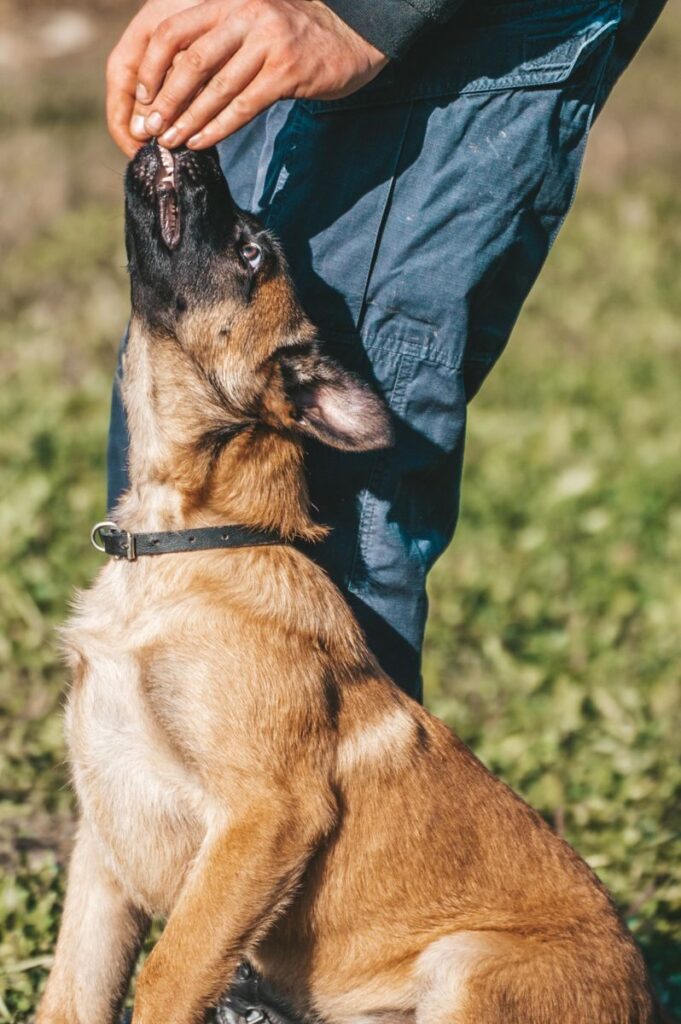
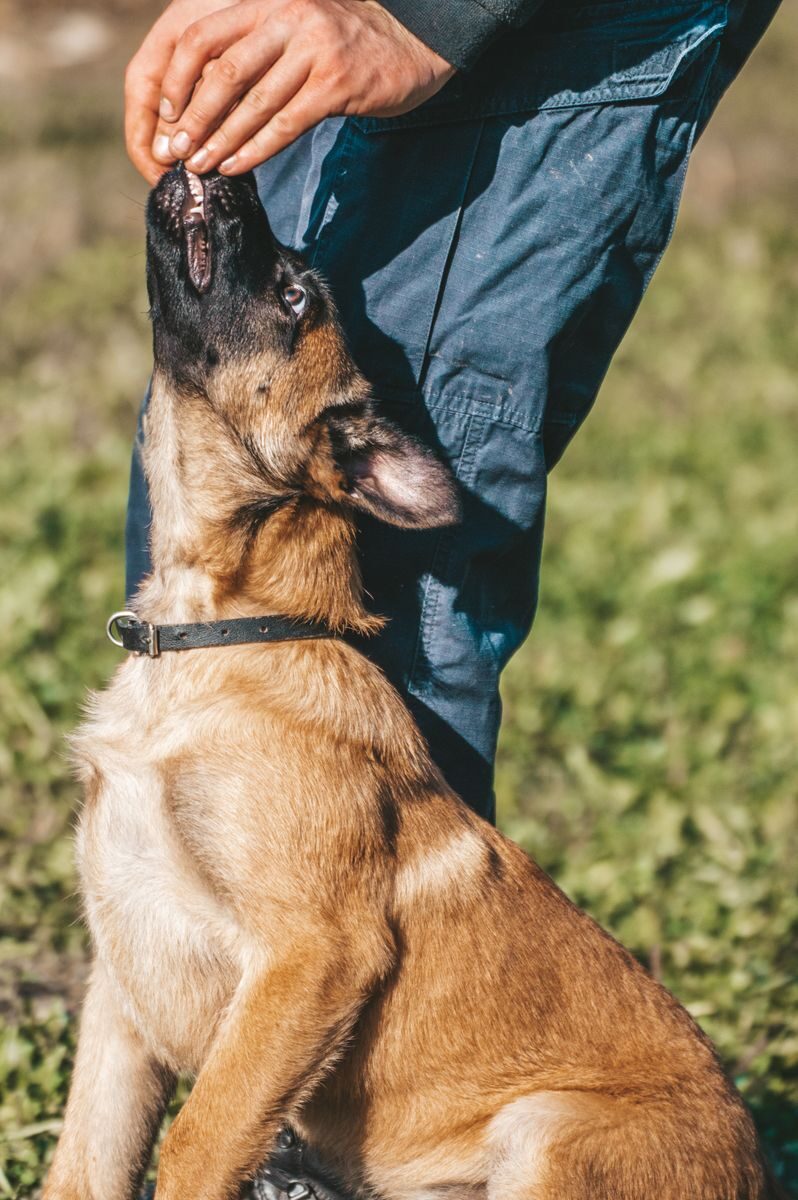
At its core, positive reinforcement training is simple: it involves rewarding your dog for doing something you want them to do. When your dog performs a desired behaviour, you immediately give them something they value (like a treat, praise, or play) to reinforce that behaviour. This makes that behaviour more likely to happen again in the future.
Think of it like this: you’re building a bridge between a behaviour and a positive outcome. Every time your dog does something good, they’re rewarded, creating a positive association that strengthens the behaviour.
It’s About Timing and Consistency
While the concept is straightforward, effective positive reinforcement hinges on two key elements: timing and consistency.
- Timing: The reward must be given immediately after the desired behaviour. This helps your dog clearly understand which action earned the reward. A quick ‘yes!’ or marker sound (like a clicker) followed by the reward is often used.
- Consistency: Everyone in the household needs to be on the same page. Consistently rewarding desired behaviours and ignoring unwanted ones is crucial for your dog to learn effectively.
Why Does Positive Reinforcement Work? The Science Behind It
Positive reinforcement works because it taps into your dog’s natural instincts and learning processes.
1. It’s Rewarding, Not Punishing
Dogs are motivated by seeking rewards and avoiding punishments. Positive reinforcement focuses entirely on the rewards – treats, praise, play – making the learning process enjoyable for your dog. There’s no stress or fear associated with the training session itself.
2. It Builds a Stronger Bond
When you reward your dog for good behaviour, you’re strengthening the relationship. Your dog learns that you are a positive resource, someone they can trust and enjoy interacting with. This bond makes training more effective and strengthens your connection as a team.
3. It’s Faster and More Efficient
Because dogs are naturally eager to please and motivated by rewards, they often learn behaviours much faster with positive reinforcement. They’re not confused by confusion or frustrated by punishment, leading to quicker results.
4. It’s Less Stressful for Everyone
Training sessions are positive experiences for your dog. This reduces stress for your pet, making them more receptive to learning. It’s also less stressful for you as the trainer – there’s no need for corrections or yelling, leading to a more pleasant training experience for both of you.
5. It Focuses on What’s Right
Positive reinforcement encourages you to focus on the behaviours you do want. Instead of constantly trying to extinguish unwanted behaviours, you’re actively building up the desired ones. This approach is more proactive and less reactive.
6. It’s Highly Motivating
Rewards can be tailored to your dog’s individual preferences. Some dogs love specific treats, while others prefer enthusiastic praise or a quick game of fetch. Finding what motivates your dog is key, and because rewards are specific to the individual, the motivation is high.
Practical Tips for Using Positive Reinforcement in Mississauga
Ready to try positive reinforcement with your furry friend? Here are some practical tips:
1. Find Your Dog’s Motivators
Not all dogs are created equal. What works for one might not work for another. Experiment with different treats (small bits of chicken, specific dog biscuits, small cubes of cheese), praise, or even play to find what gets your dog’s attention and motivates them most.
2. Keep Rewards Appropriate
Small, discrete rewards work best for most training. Large treats can be distracting or fill your dog’s stomach too quickly. Keep them small and offer them frequently.
3. Use Marker Signals
A marker signal (like a clicker or a distinct ‘yes!’ sound) helps pinpoint exactly when your dog performed the desired behaviour. This makes the connection between the behaviour and the reward much clearer.
4. Start Small
Break down complex commands into smaller, manageable steps. Reward each small success to build confidence and reinforce the learning process.
5. Be Patient and Consistent
Learning takes time. Celebrate small victories and maintain consistency across all interactions. Patience is key to successful training.
6. Practice in Low-Distraction Environments First
Once your dog masters a behaviour at home, gradually introduce distractions to build reliability. Mississauga parks and yards offer great opportunities for this.
7. Focus on the Moment
Keep training sessions short and fun. End on a positive note before your dog gets bored or frustrated.
Beyond Basic Obedience
Positive reinforcement isn’t just for basic commands. It’s incredibly effective for teaching a wide range of behaviours, from settling on command to learning ‘leave it’ or even more advanced tricks. Many local Mississauga dog owners find success using this method for enrichment activities as well.
Making Positive Reinforcement Work for You
Positive reinforcement training transforms the training dynamic, turning sessions into fun bonding experiences. It’s an approach that respects your dog’s learning style and builds a foundation of trust and mutual understanding. Whether you’re teaching your dog to walk politely on a leash near the Credit River or working on recall near a busy intersection, this method provides a humane and effective way to achieve your training goals.
Resources for Mississauga Dog Owners
While we don’t promote specific businesses, many resources exist in Mississauga for learning more about positive reinforcement training:
- Local libraries often have excellent resources on dog training.
- Community centres may offer dog training workshops.
- Online resources (ensure they promote positive methods) can supplement your learning.
Remember, the best approach is one that works for you and your dog. Positive reinforcement offers a rewarding path to better behaviour and a stronger connection in the beautiful community of Mississauga.