In this story
Understanding Reactivity in Your Dog
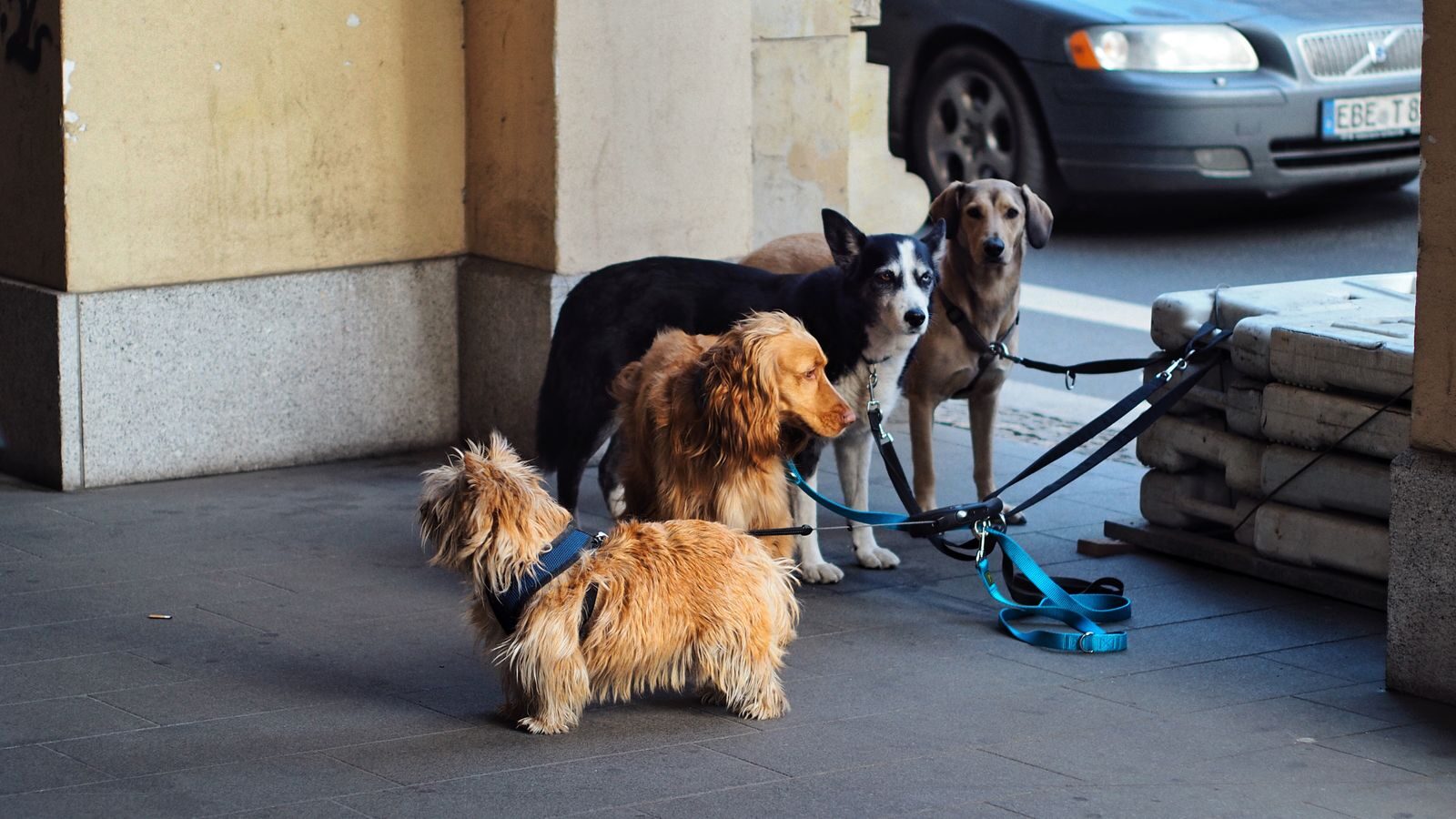
Before we dive into the practicalities of walking a reactive dog in Mississauga, it’s important to understand what reactivity means. Reactivity isn’t necessarily aggression; it’s a dog’s heightened response to stimuli that trigger fear or anxiety. Common triggers include other dogs, loud noises, unfamiliar people, or sudden movements.
Dogs in Mississauga, surrounded by various parks and neighbourhoods, can experience different triggers daily. Recognizing your dog’s specific triggers is the first step towards managing their reactions. Watch for signs like tucked tail, growling, yawning, or rapid eye movement. These are all indicators that your dog might be feeling overwhelmed or scared.
What Drives Reactivity?
Several factors can contribute to reactivity:
* Fear: A genuine fear of certain stimuli.
* Past Negative Experiences: An unpleasant encounter that created a negative association.
* Lack of Socialization: Insufficient exposure during critical development periods.
* Genetics: Some breeds or individuals are predisposed to reactive behaviours.
* Pain or Discomfort: Physical pain can increase sensitivity to environmental stimuli.
Understanding the why behind your dog’s reactivity helps tailor your approach to addressing the specific needs.
Preparation is Key: Before You Even Leave Your Home
Thorough preparation can significantly reduce stress during walks in Mississauga’s public spaces.
1. Identify Your Dog’s Triggers
Pay close attention to your dog’s environment and behaviour during walks. What consistently sets off a reaction? Is it unleashed dogs in Credit River Conservation Area, cyclists on the waterfront path, or joggers in your neighbourhood? Note these triggers.
2. Plan Your Routes
Not all walks need to be in busy areas. Identify Mississauga locations offering quieter alternatives:
* Off-Leash Areas: Places like select sections of Humber Bay Park South or designated off-leash zones in conservation areas (check local regulations).
* Less-Crowded Parks: Look for smaller community parks or less frequented trails, such as parts of the Bruce Trail system.
* Your Neighbourhood: Leverage your local knowledge. Walk familiar routes or areas with fewer visitors.
3. Prepare Your Kit
Having the right tools can make a difference:
* Pronged Leash: A shorter leash (around 1.5-2m) can give you more control during potentially overwhelming situations.
* Crate or Pillow: If your dog becomes extremely overwhelmed, you might need to quickly retreat. Knowing how to safely manage this is crucial.
* Calming Aids (Optional): Some owners find gentle, vet-approved calming sprays or anxiety wraps helpful in specific situations. Always consult your vet first.
* Treats: High-value treats can be used to redirect focus, but only if you’re prepared to manage the reaction without encouraging the trigger.
Handling the Walk: Techniques for Managing Reactivity
During the walk, your approach should prioritize safety and minimizing your dog’s stress.
1. Maintain a Tense-Leash Walk
Keep your dog on a loose leash when calm and move forward at a steady pace. When a trigger appears:
* Stop: Immediately halt the walk upon seeing a potential trigger.
* Avoid Eye Contact: Do not stare at the trigger (other dog, person, etc.). Turn your head away.
* Ignore the Trigger: Resist the urge to yell or command your dog. Sometimes, simply removing the visual and olfactory stimulus by turning your back is enough.
2. Redirect with High-Value Rewards
If your dog is focusing on a trigger but hasn’t escalated, try redirecting their attention:
* Use a High-Value Treat: Offer a highly desirable treat (like small pieces of chicken or a special kibble) and ask them to take it from your hand.
* Engage with a Toy: A tug toy or flirt stick can capture their focus in a positive way.
3. Utilize Distance and Avoidance
Teach your dog to walk calmly at a distance from triggers:
* Practice: Set up controlled scenarios at home.
* Apply in the Field: When walking, stop before your dog becomes reactive. Ask them to focus on you or a treat at a greater distance from the trigger. Reward success.
4. Use the “Nothing More Than Nothing” Technique
This technique involves ignoring the trigger and continuing your walk as if nothing happened, provided your dog is not escalating to a severe reaction. This teaches them that walking calmly leads to continued access to the environment.
5. Leverage Mississauga’s Quiet Spaces
Should the situation become overwhelming, prioritize safety:
* Move to a Safer Area: Quickly relocate to a part of the park with more space or fewer distractions.
* Seek Support: If your dog becomes highly reactive, it’s okay to end the walk and find a different spot or head home.
Post-Walk Care and Management
After the walk, your dog needs time to decompress, and you might need to implement specific strategies.
1. Allow for Calm Down Time
Give your reactive dog a safe, quiet space (like a crate or a separate room) to settle down and recover from the walk.
2. Monitor for Physical Symptoms
Severe reactivity can sometimes indicate pain or illness. If you notice increased reactivity, changes in appetite, or other worrying signs, consult your veterinarian.
3. Seek Professional Help
Managing reactivity often requires professional guidance:
* Positive Reinforcement Training: Work with a certified trainer experienced in reactivity issues.
* Mississauga Veterinary Behaviourists: Your regular vet may refer you to a local animal behaviourist if needed.
4. Build Positive Associations
Gradual, controlled exposure to triggers (under professional guidance) can help desensitize your dog and build positive associations.
Conclusion: Patience and Persistence Pay Off
Walking a reactive dog in Mississauga’s beautiful parks and trails is definitely a challenge, but it’s achievable with the right knowledge and approach. By understanding your dog’s needs, preparing carefully, using appropriate handling techniques, and building positive experiences, you can help ensure that your walks remain enjoyable and stress-free for everyone involved.
Remember, the goal isn’t necessarily to eliminate reactivity, but to manage it in a way that allows your dog to feel safe and comfortable during their walks in Mississauga.
Related posts:
 High-Energy Dog Toys for Mississauga: Keeping Your Pooch Active and Entertained
 Living Harmoniously with Multiple Dogs in Mississauga: Best Practices
 Renting with Your Dog in Mississauga
 Crate Training: Your Mississauga Dog’s Secret to Comfort
 Master Recall: Training Your Dog to Come When Called in Mississauga