In this story
Welcoming Multiple Paws to Your Hamilton Home
Living in a vibrant city like Hamilton offers many perks, including beautiful parks like Royal Botanical Garden and Queen’s Way for exploring. But what about bringing more than one dog into your home? Raising a multi-dog household can be incredibly rewarding, filled with wagging tails and furry companionship. However, it requires thoughtful planning, consistent effort, and a commitment to ensuring all dogs in the family are happy, safe, and well-socialized.
Whether you’re welcoming your first rescue alongside your existing dog, or adding a second or third furry member to your family, understanding the best practices for a multi-dog household is key to success. This guide offers practical advice tailored to life in Hamilton, helping you create a harmonious environment where all dogs can thrive.
Starting Right: The Foundation of a Harmonious Multi-Dog Home
Building a positive multi-dog household starts before the first puppy arrives. Thoughtful preparation sets the stage for success.
1. Breed, Age, and Temperament Compatibility
- Think it through: Consider the energy levels, size, and play style of both your current dog(s) and the new dog(s). A high-energy Labrador might not be the best match for a calm Shih Tzu, regardless of breed. Age is crucial too – introducing a young, boisterous puppy to an older, calmer dog requires different management than introducing two puppies.
- Temperament is key: Research the temperament of the breed(s) you’re considering. Look for dogs with compatible energy levels, social needs, and trainability. Consider temperament testing if puppies are available.
- Hamilton context: In a city with diverse neighbourhoods, from the active waterfront areas to quieter residential streets, ensuring your dogs’ energy levels match your lifestyle is vital.
2. Pre-Adoption Preparation
- Train your current dogs: Ensure your existing dogs have a solid foundation in basic obedience (sit, stay, come, leash walking) and are well-socialized. A well-behaved dog is less likely to be stressed or dominant when a new dog arrives.
- Prepare the space: Before bringing a new dog home, puppy-proof your house and designate safe spaces for each dog (like a crate or specific room).
- Gather supplies: Have all necessary supplies ready – food bowls, beds, toys, leashes, collars, crates, grooming tools, and of course, quality dog food.
The Crucial Introduction Phase: Setting the Stage for Friendship
The way you introduce new dogs can make or break the whole household dynamic. Patience and careful management are essential.
1. Controlled First Meetings
- Neutral territory is best: Introduce dogs on neutral ground, like a park or a friend’s yard, rather than in one dog’s home. This reduces stress and prevents resource guarding.
- Keep first encounters positive: Use high-value treats (consider small Canadian brands like Newman’s Own or specific grain-free options) and enthusiastic praise. Ensure the first meeting is a positive experience for both.
- Supervised ‘meet and greets’: In Hamilton’s warmer months, a controlled outdoor introduction might work well, but always use a leash and maintain close supervision. In colder weather, indoor supervision in a confined space is safer.
- Keep them separate initially: After the initial meeting, keep the dogs separate for periods, allowing them to sniff each other’s beds, toys, and food bowls from a barrier (like a baby gate).
2. Managing Potential Conflicts
- Watch for stress signals: Learn to recognize stress signals in dogs – lip licking, yawning, tucked tail, lowered head, growling, or stiff posture. If one dog shows excessive stress, separate them.
- Prevent resource guarding: Feed dogs in separate rooms initially, and never leave them unsupervised if one is guarding food/water/bed. Provide multiple resources so each dog has their own safe space.
- Professional help: If conflicts persist (barking, snapping, chasing), consult a qualified Hamilton animal behaviour consultant or a positive reinforcement trainer. Don’t wait for serious aggression to develop.
Training Together: Building a Harmonious Pack
Positive reinforcement is your best friend when training multiple dogs.
1. Consistency is Key
- Unified commands: Ensure all family members use the same commands and training methods.
- Regular training sessions: Incorporate short, frequent training sessions for all dogs. Teach commands that promote calmness, like ‘leave it’ or ‘go to mat’.
- Focus on problem behaviours: Address issues like jumping, barking at each other, or resource guarding consistently.
2. Harnessing Group Training
- Teach ‘wait’ or ‘stay’: Useful for preventing jumping or lunging.
- Practice recall: Ensure all dogs reliably respond to ‘come’ before allowing unsupervised time together.
- Positive reinforcement: Reward calm, relaxed interactions with treats, play, or affection. Praise quiet, friendly greetings.
Meeting Your Multi-Dog Needs: Space, Exercise, and Enrichment
With more dogs comes more needs – for space, exercise, and mental stimulation.
1. Ample Space for Comfort
- Litter boxes: Ensure you have enough litter boxes, especially if you have smaller breeds or in-floor systems.
- Sleeping areas: Provide adequate, separate resting spaces to prevent overcrowding and potential resource guarding.
- Toys and enrichment: Rotate toys and provide multiple chew items to keep all dogs stimulated and reduce boredom.
2. Exercise Requirementsn
- Tailor to the individual: Different dogs have different energy levels. Ensure each dog gets enough individual exercise that works for their specific needs.
- Group walks: Walks are excellent for socialization and exercise. Hamilton offers great trails at the RBG and along the Black River. Always check local leash laws.
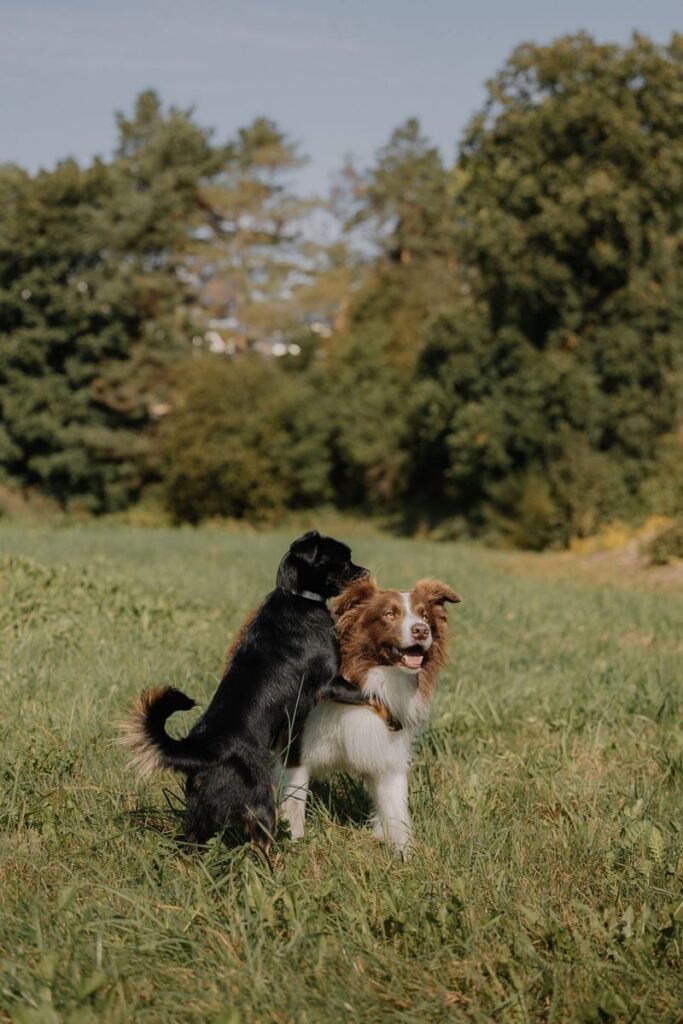
- Playdates: Regular, supervised playdates in safe, neutral areas help build positive relationships between dogs.
3. Feeding and Resources
- Separate feeding areas: Prevents food guarding and establishes clear hierarchy (though hierarchy isn’t necessarily negative).
- Clean water: Ensure fresh water is available to all at all times.
- Clean up: Be prepared to clean up accidents promptly, especially during the introduction phase or if a dog is sick.
Ensuring Safety for Everyone: Rules and Responsibilities
Safety is paramount in any multi-dog household.
1. Supervised Interactions
- Never leave young children or small animals unattended with dogs, even friendly ones.
- Close supervision: Always supervise interactions between dogs, especially during meal times or if they have different temperaments.
- Crate training: Crates can be valuable tools for managing a multi-dog household, providing safe spaces and preventing destructive behaviour.
2. Health and Vaccinations
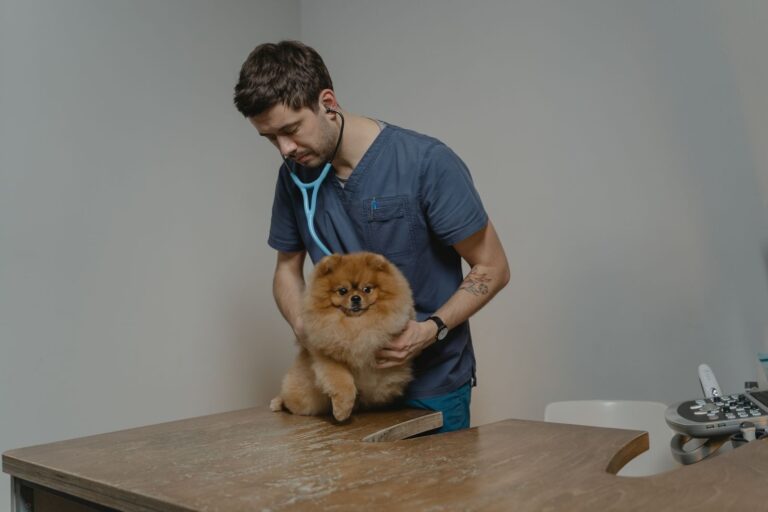
- Keep vaccinations up-to-date: Regular vet check-ups are essential for all dogs.
- Be aware of Hamilton’s regulations: Know the city’s requirements for dog licenses and rabies vaccinations.
- Consider spay/neuter: Helps manage population and can reduce certain behavioural issues.
Lifelong Learning: Adjusting as Your Dogs Grow
Raising dogs is a journey. As your dogs mature, their needs and dynamics will change.
1. Adapt and Evolve
- Monitor behaviour: Watch for changes in your dogs’ relationships as they age. What worked when they were puppies might need adjusting.
- Re-evaluate resources: As dogs grow, their space, food, and exercise needs may increase.
- Stay informed: Continue learning about dog behaviour and training.
Conclusion: A Happy Hamilton Multi-Dog Family
Raising multiple dogs in Hamilton can be a deeply rewarding experience, filled with joy and companionship. By focusing on careful introduction, consistent training using positive methods, adequate resources, and ongoing supervision, you can create a harmonious multi-dog household. Patience, understanding, and a commitment to your dogs’ well-being are the foundations of success. With the right approach, your multi-dog family can thrive together, bringing wagging tails and happy vibes to your home and the community.