In this story
Understanding the Problem: Why Dog Obesity Matters in Mississauga
Pet obesity is a serious issue affecting dogs across Canada, and Mississauga is no exception. Excess weight puts unnecessary strain on your dog’s developing skeletal system, heart, lungs, and joints. It can lead to painful conditions like arthritis, diabetes, and even certain types of cancer. Beyond health risks, obesity can shorten your dog’s lifespan and diminish their quality of life, making them less able to enjoy the great outdoors of our beautiful city, from the beaches of Credit River to the trails of Fish Creek Park.
Recognizing the Signs
Before diving into solutions, it’s important to know what to look for. A dog is considered overweight if you can’t feel their ribs with light pressure, or if there’s a noticeable fat deposit over the waistline when viewed from above. If your dog has a sagging abdomen, seems lethargic, or experiences breathing difficulties, these could also be signs of excess weight. Regular weigh-ins with your vet are the best way to stay on top of your dog’s weight.
Step 1: Assess Your Dog’s Current Situation
Consult Your Veterinarian
Your first step should always be a visit to the vet. They can perform a thorough physical examination, determine your dog’s ideal weight, and rule out any underlying medical conditions that might contribute to weight gain. Discuss your dog’s current diet and activity level openly with your vet. They may recommend specific weight loss plans or refer you to a veterinary nutritionist.
Calculate the Ideal Weight
Knowing your dog’s target weight is crucial. Your vet can help with this, but you can also learn to assess body condition score (BCS) at home. Using a BCS chart or tape measure (to check for waist tuck when viewed from above), can help you track progress. Remember, dogs of different breeds and body types have different ideal weights.
Step 2: Master Dog Nutrition
High-Quality Food is Key
Choosing the right food is fundamental. Opt for complete and balanced commercial dog foods from reputable brands recommended by your vet. Avoid free-feeding (leaving food out all day) as it’s hard to control portion sizes. Measure servings carefully, even with bagged food, as the recommended amount on the bag is often for maintenance, not weight loss.
Portion Control
This is often the biggest challenge for dog owners. Use measuring cups or kitchen scales (many petshops sell small ones) to ensure you’re not overfeeding. Consider smaller, more frequent meals instead of fewer large ones, especially for active dogs. Read food labels carefully to understand calorie content and ingredient quality.
Treats: Moderation is Mandatory
Treats can derail any diet plan. They should make up no more than 10% of your dog’s daily calorie intake. Choose healthy options like small pieces of cooked chicken, carrots, green beans, or small commercial training treats. Never use table scraps, especially those high in fat or salt.
Water: The Best “Snack”
Sometimes dogs beg for treats simply because they’re bored or hungry. Ensure your dog has access to fresh, clean water at all times. Sometimes, simply having more water to drink can satisfy a dog’s desire to “snack” or feel full.
Consider Small Canadian Makers
Many small Canadian companies offer healthy, grain-free, or limited ingredient dog foods that can be excellent options. While not necessary for every dog, exploring these local alternatives can provide variety and support Canadian businesses. Always choose products with transparent ingredients and veterinary backing.
Step 3: Increase Physical Activity
Daily Exercise Routines
Dogs need regular physical activity to burn calories and maintain muscle mass during weight loss. Aim for at least two 20-30 minute walks daily, gradually increasing as needed. Vary the intensity and terrain to keep exercise interesting. Remember, walks count as part of their overall activity, but structured play is also crucial.
Engage Their Minds
Mental stimulation is just as important as physical exercise. Activities like hide-and-seek with toys, puzzle feeders, or training sessions can burn mental calories and prevent boredom, which can lead to destructive chewing or overeating. Utilize local resources like dog parks (e.g., at Fish Creek Park) for socialization and exercise.
Structured Play
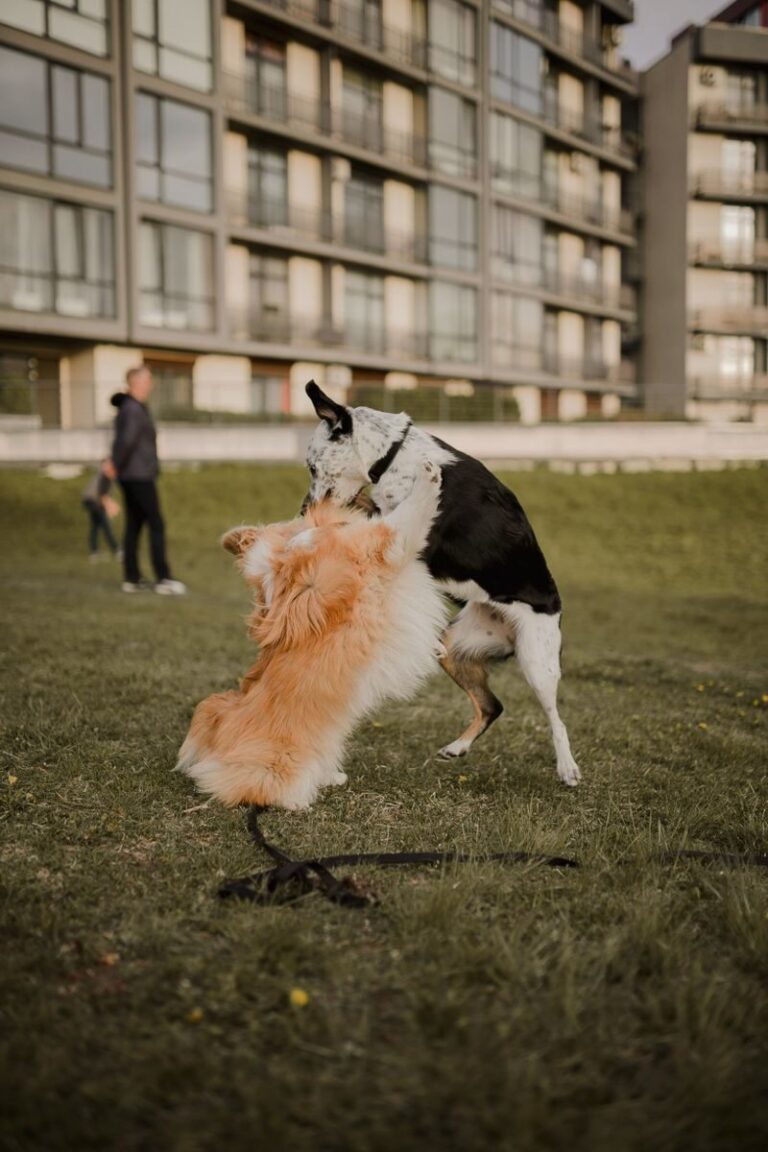
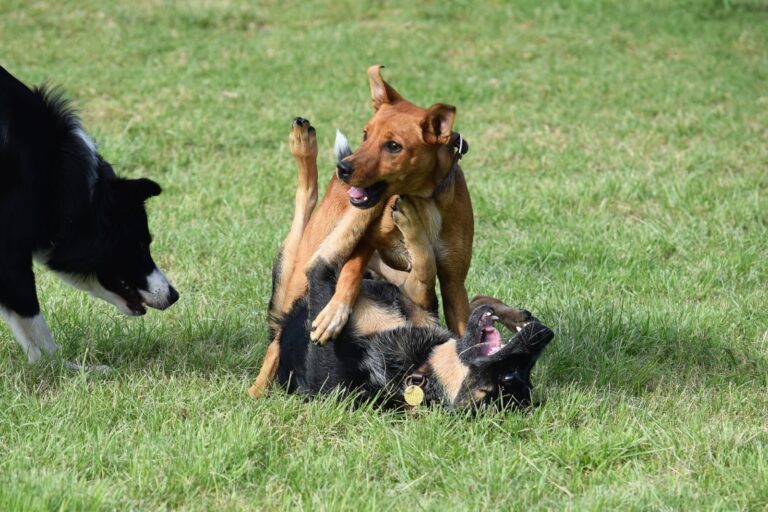
Playtime with you or other dogs is excellent for burning energy. Tug-of-war, fetch, and supervised playgroups (following leash laws in Mississauga) are great ways to encourage activity. Ensure play sessions are appropriate for your dog’s age and health.
Adapt to Mississauga’s Environment
Mississauga offers many opportunities for active dogs. Utilize local parks, beaches (like Credit River Beach during cooler months), and explore different neighbourhoods for varied walking routes. Always follow municipal guidelines regarding dogs in public spaces.
Step 4: Schedule Regular Check-ins
Monitor Progress
Weigh your dog every 2-4 weeks during weight loss to monitor progress. Adjust food portions or increase exercise slightly if weight loss stalls. Celebrate successes, no matter how small!
Professional Guidance
Don’t hesitate to consult your vet if you encounter difficulties or if your dog has underlying health issues. They can provide tailored advice and ensure weight loss is happening safely.
Community Support
Share the Journey
Discussing weight management with other Mississauga pet owners can provide motivation and practical tips. Online forums or local Facebook groups can be valuable resources.
Be Patient and Consistent
Achieving and maintaining a healthy weight takes time and consistency. Focus on gradual, steady weight loss (about 1-2% of body weight per week) to ensure your dog loses fat, not muscle. Making small, sustainable changes is key to long-term success.
Making it a Lifelong Habit
Once your dog reaches a healthy weight, maintaining it requires ongoing effort. Consistent portion control, regular exercise, and routine vet visits are essential to prevent the pounds from creeping back on. Remember, a healthy weight allows your dog to fully enjoy life in Mississauga, from exploring conservation areas to simply relaxing on your patio.
Conclusion: A Healthier You and Your Dog
Preventing dog obesity is an investment in your pet’s longevity and well-being. By focusing on proper nutrition, adequate exercise, and regular veterinary care, you can help ensure your furry companion stays active, happy, and healthy for years to come in the great city of Mississauga.