In this story
Keep Your Brampton Pooch at a Healthy Weight
As a dog owner in Brampton, you’re part of a vibrant community full of furry friends enjoying the great Ontario weather. But just like people, dogs can struggle with weight issues that impact their quality of life. Dog obesity isn’t just about looking cute in festive sweaters; it’s a serious health concern that can lead to problems like diabetes, arthritis, and heart disease.
The good news? Preventing obesity is straightforward with consistent effort. By focusing on proper nutrition, adequate exercise, and regular veterinary check-ups, you can help ensure your dog enjoys a long, active, and healthy life right here in Brampton.
Why Weight Matters: The Brampton Context
Obesity affects dogs regardless of breed or size, but certain factors can increase the risk in our local pets:
- Lifestyle Changes: Busy schedules might mean less time for exercise.
- High-Calorie Treats: Even well-meaning snacks can add up.
- Genetics: Some breeds are more predisposed to weight gain.
- Aging: Metabolism slows as dogs get older.
Being overweight puts extra strain on Brampton dogs’ hearts, lungs, and joints, making them more susceptible to various health problems.
The First Step: Schedule a Vet Visit
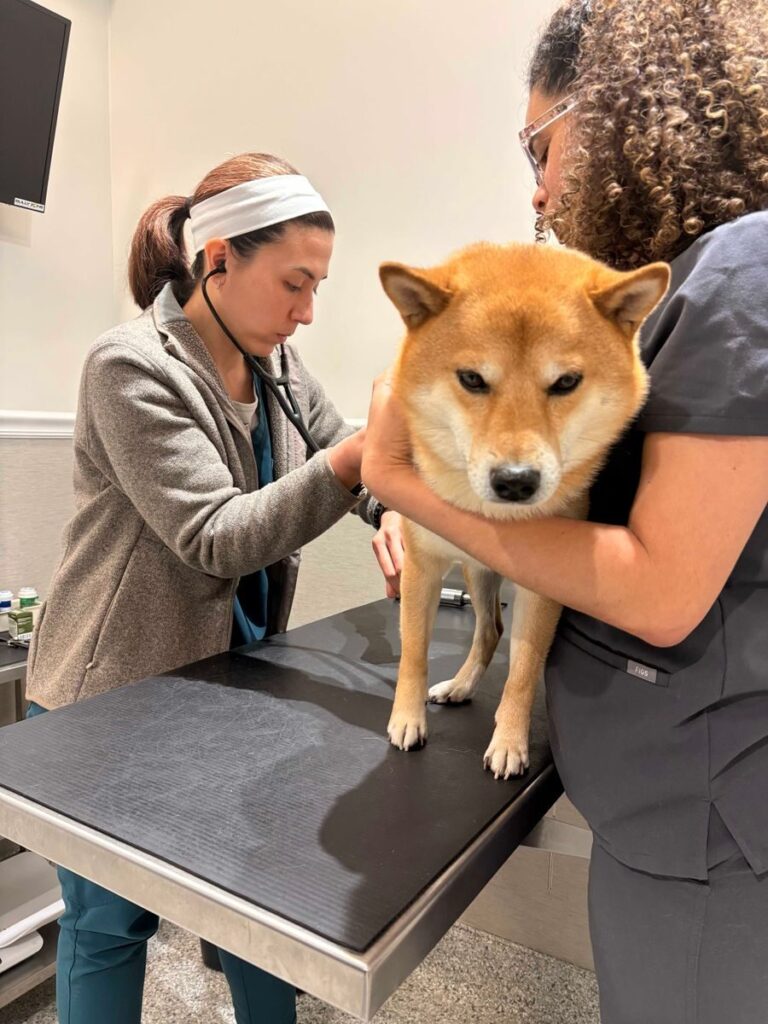
Your local Brampton veterinarian is your best resource for determining the ideal weight for your dog and identifying any underlying health issues that might contribute to weight gain. They can:
- Assess Body Condition: Perform a physical exam to check for excess fat and fat deposits.
- Measure: Use tools like body condition scoring (BCS) charts to objectively assess weight.
- Recommend: Provide personalized dietary and exercise recommendations.
- Screen: Conduct blood tests to rule out health conditions that might affect weight.
Don’t wait for an annual check-up to discuss your dog’s weight. If you have concerns, bring it up anytime during your visits.
Building a Healthy Diet: Nutrition is Key
Feeding your dog the right food in the right amounts is fundamental to preventing obesity. Here’s how to approach it:
Choose High-Quality Food
Not all dog food is created equal. Look for options that:
- Meet Breed Needs: Consider food formulated for your dog’s life stage (puppy, adult, senior) and breed.
- Prioritize Whole Ingredients: Look for named meat sources as the first ingredients, not vague terms like “meat by-products” or artificial fillers.
- Check Nutritional Adequacy: Ensure it meets AAFCO (Association of American Feed Control Officials) standards, which ensures balanced nutrition.
While some Brampton pet owners prefer small, local brands, the focus should be on finding a nutritionally complete and balanced diet that suits your dog’s specific needs.
Practice Portion Control
Even quality food can lead to weight gain if fed inappropriately. Tips for managing portions include:
- Follow Feeding Guidelines: Start with the package recommendations, but adjust slightly based on your dog’s individual needs.
- Use Measuring Cups: Never free-feed from a bag or bowl. Use measuring cups or a scale for accuracy.
- Scheduled Meals: Stick to regular feeding times and avoid leaving food out all day.
- Avoid Free Feeding: This can lead to overeating and inconsistent digestion.
Become a Label Detective
Understanding dog food labels empowers you to make informed choices:
- Ingredient List: Check for high-quality protein sources first. Avoid excessive grains or fillers unless recommended for a specific dietary need.
- Calorie Content: Pay attention to the calorie count per cup or kilogram.
- Nutritional Analysis: Look for guaranteed analysis on the side, noting protein, fat, and fiber percentages.
Water is Best!
Fresh, clean water should always be available. It’s essential for your dog’s health and can sometimes help manage a sensitive stomach, but it shouldn’t replace food.
Limit Human Food
While sharing meals with your Brampton dog is often tempting, many human foods are high in fat, salt, or sugar and can be toxic. If you do share, keep portions tiny and understand that table scraps should make up no more than 10% of their daily calories.
Consider Treats Wisely
Treats should be a small part of your dog’s daily calorie allowance (typically 5-10% of their total intake). To keep treats healthy:
- Measure: Don’t eyeball treats – use the bag’s guidelines.
- Homemade Options: Consider small, healthy homemade treats using simple ingredients like plain pumpkin, carrots, or small bits of lean meat, approved by your vet.
- Avoid Toxic Foods: Keep an eye out for foods harmful to dogs (chocolate, grapes, onions, etc.).
- Use for Training: Reserve special treats for training sessions to strengthen the bond.
Fuel Your Dog: Getting Active in Brampton
Dogs need exercise just like humans do. Regular physical activity helps burn calories, maintain muscle mass, and supports overall health. Aim for:
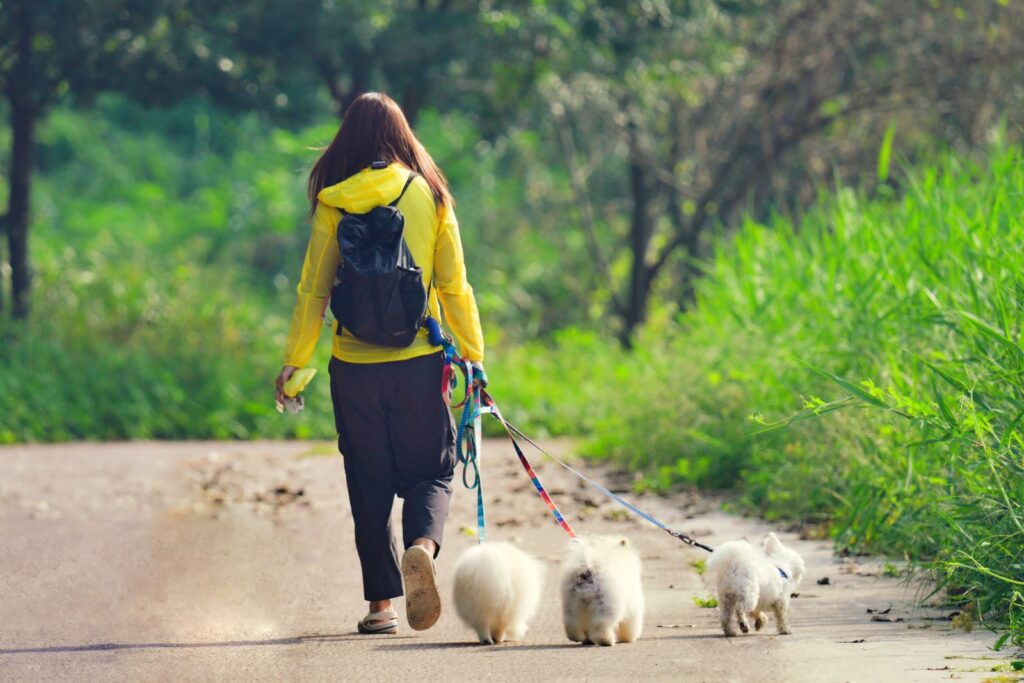
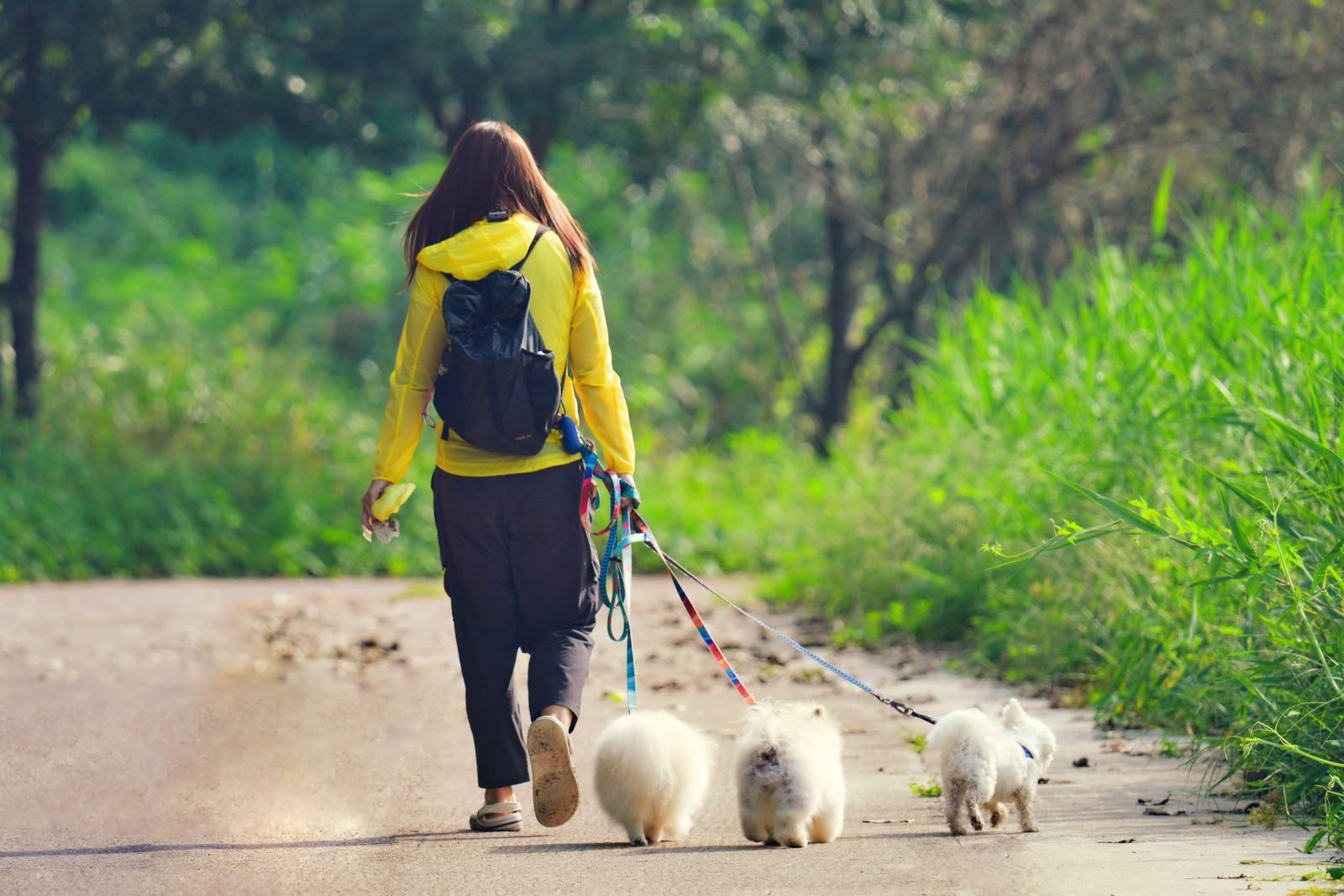
- Daily Walks: A minimum of two 20-30 minute walks most days of the week is a good starting point, but adjust based on your dog’s age, breed, and energy level.
- Vary the Terrain: Explore different areas of Brampton – the Credit River pathways, parks, or even just steeper hills in some neighbourhoods can provide mental stimulation.
- Playdates: Social interaction with other friendly dogs is excellent exercise and mental enrichment.
- Dog Parks: Brampton has several public parks with off-leash areas where dogs can run freely. Always ensure your dog is up-to-date on vaccinations and good with other dogs before visiting.
- Consider Dog Sports: Activities like agility, flyball, or obedience training can provide fun, structured exercise.
Remember to always keep your dog on a leash near roads and be aware of your dog’s fatigue levels, especially during hot summer months in Southern Ontario.
Lifestyle Adjustments for Weight Prevention
Preventing obesity is an ongoing process that involves more than just diet and exercise:
- Consistency is Crucial: Stick to feeding schedules and exercise routines.
- Monitor Weight Regularly: Weigh your dog periodically (with your vet’s guidance) to track progress.
- Be Patient: Healthy weight changes take time and consistent effort.
- Involve the Whole Family: Ensure everyone understands the importance of portion control and exercise.
- Consult Your Vet: If you encounter difficulties, don’t hesitate to seek professional advice. Weight management might require specific diets or adjustments.
The Takeaway: A Healthy Brampton Dog
Preventing dog obesity is a commitment to your pet’s long-term health and happiness. By working with your Brampton veterinarian, providing balanced nutrition, ensuring adequate exercise, and making smart lifestyle choices, you can help your dog maintain a healthy weight and enjoy all the activities our wonderful city offers.
Ready to Go?
Keeping your Brampton dog at a healthy weight is one of the best gifts you can give them. Start with a vet check-up today to establish a baseline, then build a sustainable plan around nutritious eating and active living. A healthy dog means a happier, more active companion for years to come!
Related posts:
 Spotting the Early Signs of Arthritis in Your Brampton Dog
 Finding the Perfect Dog Breed for Your Brampton Family
 Keep Your Dog Comfortable: Understanding and Managing Fall Allergies in Brampton
 A Brampton Guide to Painless Dog Food Switching
 Tired of the Tug? A Vancouver Dog Owner’s Guide to Managing Leash Pulling