In this story
Keep Your Hamilton Dog Healthy: A Guide to Preventing Obesity
As a proud Hamilton resident and dog owner, you understand the importance of keeping our furry companions happy and healthy. One of the most common issues facing dogs in communities like ours is obesity. While it might seem harmless, dog obesity can lead to serious health problems, including diabetes, heart disease, and arthritis, making it harder for them to enjoy all the great activities Hamilton has to offer, from exploring the trails at Salmon Festival Park to relaxing at Gore Park.
Thankfully, preventing obesity is easier than you might think. With a little knowledge and consistent effort, you can help your dog achieve and maintain a healthy weight, ensuring they have more energy for our local parks, longer life, and better overall health.
Why Is Dog Obesity a Concern in Hamilton?
Our climate, with its beautiful parks and pleasant summers, provides the perfect environment for outdoor activities. However, a combination of indoor living during colder months, the convenience of treats, and sometimes unintentional overfeeding can contribute to weight gain.
Obesity in dogs isn’t just about looking cute with extra rolls; it’s a serious health issue. It puts strain on their hearts and lungs, increases the risk of joint problems, can lead to diabetes, and even shortens their lifespan. For dogs in Hamilton, carrying extra weight can make activities like hiking at the Hamilton Bike Trail or playing at the Dog Beach more difficult.
Understanding Your Dog’s Body Condition Score
The first step in preventing obesity is knowing where your dog stands. Ask yourself: does your dog have a waistline when viewed from above? Is their tummy tuck? Do you need to feel their ribs with just a light touch, without a layer of fat? These are simple ways to assess their weight.
The Body Condition Score (BCS) system, developed by the Association for Pet Obesity Prevention (APOP), is a useful tool. It ranges from 1 (underweight) to 9 (severely overweight). Ideally, your dog should score a 4 or 5 out of 9.
How to Assess Your Dog’s BCS
- From Above: Look down the length of your dog’s body. You should see a discernible waistline, not a straight or sagging line.
- From the Side: Look at your dog from the side. Their waist should be visible when looking from above, creating an ‘hourglass’ shape.
- Palpating: Gently run your hands along your dog’s ribcage. You should be able to feel their ribs with light pressure, but there shouldn’t be a lot of fat covering them. There should be a noticeable layer of fat over the abdomen when viewed from the side.
If your dog scores higher than a 5, they may be overweight or obese. Consult your Hamilton veterinarian for a professional assessment and guidance tailored to your dog’s breed, age, and health.
Building a Healthy Diet Plan
Feeding your dog the right amount and type of food is crucial. Think of it as providing the fuel for all the fun adventures your dog will have in Hamilton parks and at the lake.
Portion Control is Key
Many dog owners inadvertently feed too much. The convenience of leaving food out or constantly refilling bowls can lead to overeating. Always measure servings using a cup provided with your dog food or a kitchen scale.
- Follow Feeding Guidelines: Start with the guidelines on the dog food packaging, but remember these are just starting points. Adjust based on your dog’s individual needs.
- Measure Accurately: Use measuring cups or a scale consistently. Don’t just eyeball it.
- Avoid Free Feeding: Leaving food out all day often leads to overeating. Stick to scheduled meals whenever possible.
High-Quality Dog Food Matters
Not all dog food is created equal. Look for options with high-quality protein as the primary ingredient and minimal fillers like corn or soy. Consider brands popular among Canadian pet owners, ensuring they meet nutritional standards.
Treats Should Be Treats
Treats can be a valuable tool for training and bonding, but they should make up no more than 10% of your dog’s daily calorie intake. This means if your dog needs 2,000 calories a day, treats should provide only 200.
- Small Portions: Even “healthy” dog treats can add up. A small piece here or there is fine.
- Healthy Alternatives: Offer small amounts of plain, unseasoned cooked meat (like a tiny bit of chicken) or small pieces of carrots, green beans, or frozen bananas as low-calorie alternatives.
- Training Rewards: Use treats during training sessions, but don’t rely on them as the main meal replacement.
Water is Always a Healthy Choice
Ensure your dog has access to fresh, clean water at all times. Hydration is essential for their overall health and can sometimes help with portion control if they stay hydrated and less inclined to snack.
Know Your Hamilton Pet Stores & Resources
While we won’t promote specific businesses, remember local pet stores in Hamilton can often provide guidance on appropriate food and treat options. Your veterinarian is also an invaluable resource for personalized dietary recommendations.
Increasing Physical Activity
Just like us, dogs need movement to burn calories and maintain muscle mass. Hamilton offers fantastic opportunities for active dogs.
Daily Exercise Requirements
Most dogs need at least 30 minutes to an hour of exercise daily, but this varies greatly by breed, age, and energy level. High-energy breeds like Labrador Retrievers might need more, while senior dogs or those with health issues may need less.
- Breed and Age Matters: Research your dog’s specific needs. Large, energetic breeds generally require more activity than small, older breeds.
- Start Slow: If your dog is out of shape, gradually increase their activity level to avoid injury.
Hamilton’s Outdoor Recreation Opportunities
Our city is blessed with numerous parks and recreational areas perfect for dogs:
- Dog Parks: Hamilton Dog Park is a popular spot for socialization and exercise. Ensure your dog knows how to behave appropriately there.
- Hiking Trails: Explore the Hamilton Bike Trail system or nearby nature trails. Many parks like McMaster University’s grounds or areas around the waterfalls offer off-leash hiking opportunities.
- Beaches: Enjoy the beaches during warmer months for swimming and fun. Queen Elizabeth Park Dog Beach is a local favorite.
- Community Events: Keep an eye out for local events or organized dog walks in the community.
Indoor Activities When Weather Permits
Not every day is suitable for outdoor exercise, especially during extreme weather.
- Mental Stimulation: Engage your dog with puzzle toys, training sessions, or indoor games like hide-and-seek.
- Stair Climbing: If your dog enjoys it, climbing stairs is an excellent cardiovascular exercise (always supervise).
- Designated Walk Areas: Stick to familiar, safe walking routes in the city or along the trails.
The Importance of Consistency
Regular exercise isn’t just about burning calories; it’s crucial for their physical and mental well-being. A tired dog is often a happy dog. Try to establish a consistent routine, perhaps a walk in the morning and another in the evening, fitting into your schedule around Hamilton’s active lifestyle.
Monitoring and Adjusting
Preventing obesity is an ongoing process that requires regular check-ins.
Regular Vet Visits
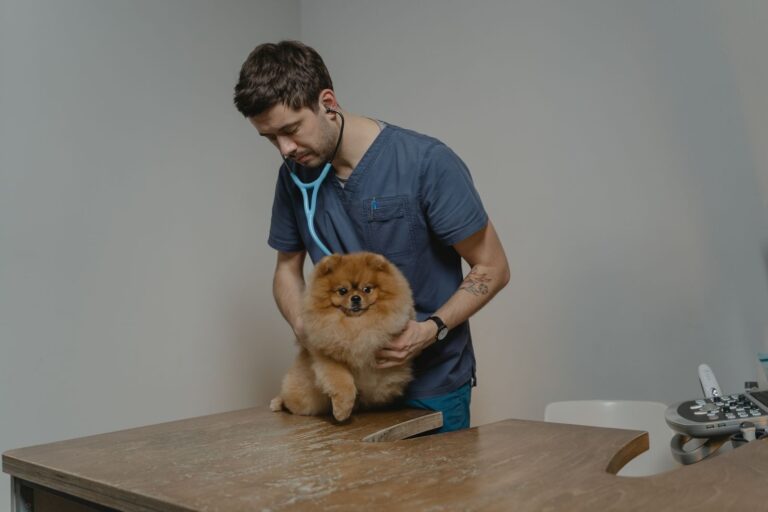
Your veterinarian is your best resource. Schedule annual check-ups (or more often if needed) to monitor your dog’s weight and body condition. They can adjust dietary recommendations as your dog ages or their activity level changes.
At-Home Weigh-Ins
Consider having a pet scale or simply using a bathroom scale with your dog occasionally to track trends. Sudden weight gain or loss should be discussed with your vet.
Watch for Weight Gain
Even a few extra pounds can make a difference. If you notice your dog gaining weight, don’t wait to make changes. Small adjustments in diet or exercise can make a big difference.
Celebrate Success
Maintaining a healthy weight is a team effort. Celebrate milestones with your dog – an extra playdate, a new toy, or simply more quality time enjoying activities together.
Conclusion: A Healthier Hamilton, One Happy Dog at a Time
Keeping your Hamilton dog at a healthy weight is an act of love that benefits both you and your best friend for many years. By focusing on proper nutrition, adequate exercise, and consistent monitoring, you’re not just preventing obesity – you’re ensuring your dog has the energy to enjoy all the wonderful things our city has to offer, from leisurely strolls through neighbourhood parks to active adventures on the trails. Making these healthy habits a part of your daily routine shows your commitment to your dog’s well-being and helps create a healthier community for all pets and their people.
Remember, prevention is always easier and less stressful than dealing with the consequences of obesity. Start small, be consistent, and consult your vet for personalized advice on keeping your Hamilton companion healthy and happy for years to come.