In this story
Understanding Reactivity
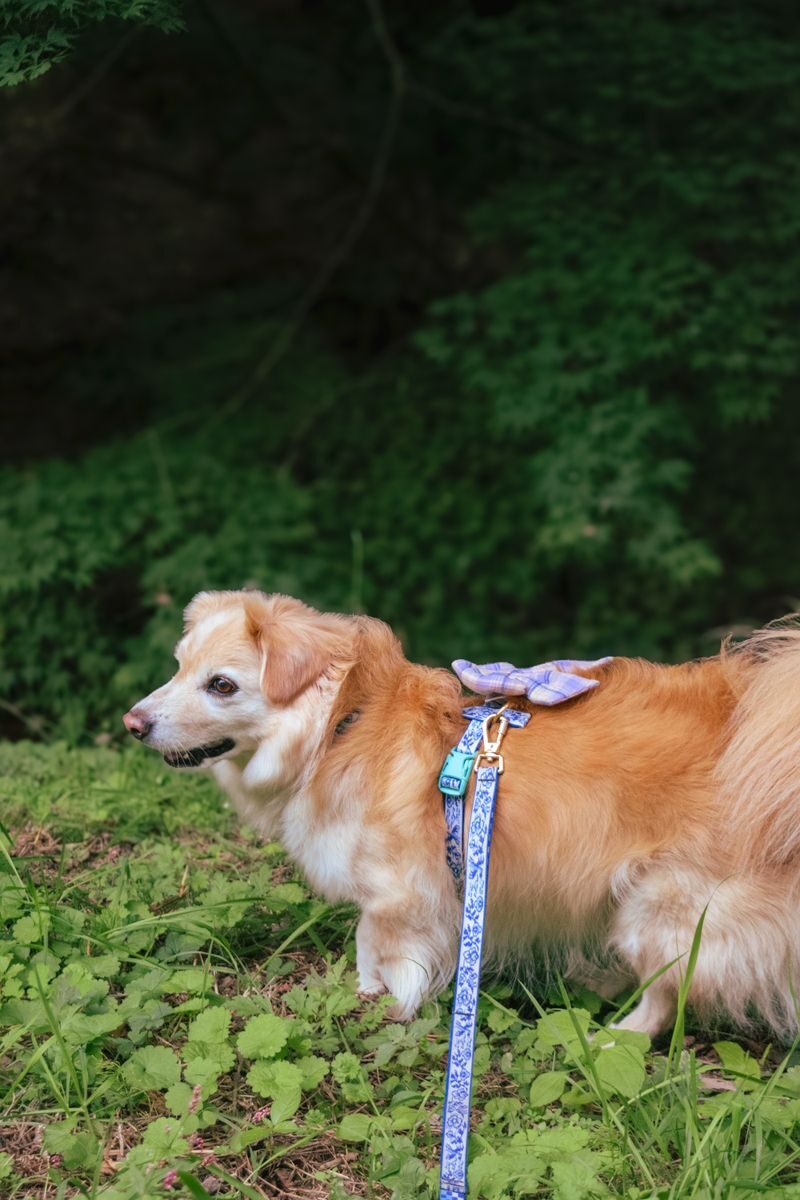
Walking a reactive dog anywhere, especially in a vibrant city like Montreal, requires patience and understanding. Reactivity isn’t just about barking; it can include fear, anxiety, or aggression towards other dogs, people, or environmental stimuli like traffic, cyclists, or loud noises.
Recognizing the signs is the first step. Does your dog freeze and whine? Does theirs snap aggressively? Tailoring your approach requires understanding the specific triggers and the intensity of their reaction.
Preparation is Key
Before hitting the pavement, some planning can make a huge difference:
- Identify Triggers: Note what specifically sets off your dog (other dogs, certain breeds, cyclists, specific situations like busy crossings).
- Plan Your Routes: Don’t just wing it. Research quieter areas. Montreal has many green spaces beyond the busy city streets.
- Early Mornings/Late Afternoons: Consider walking during off-peak hours when parks might be less crowded.
- Essential Kit: Always carry doggie sunscreen (yes, it’s hot in summer!), extra water, and perhaps some calming treats or an anxiety wrap if needed.
- Safety Gear: Ensure your dog has a properly fitted harness and ID tags. Montreal’s bike paths can be busy, so be extra vigilant.
Choosing Your Path: Montreal-Specific Considerations
Not all walks are created equal. Montreal offers diverse environments, but some are better than others for reactive dogs:
H3: Stick to Quieter Areas
- Large Parks: Parc Jean-Drapeau (Ile Notre-Dame and Ile Sainte-Hélène), Parc Olympique, Parc Maisonneuve offer vast, less crowded spaces. You can often find secluded spots along the paths.
- Reservoir Paths: The Viger Bridge and Rachel Coulée paths offer scenic routes with fewer pedestrians and dogs. Be aware of cyclists – maintain distance.
- Local Greenspaces: Look for neighbourhood parks further from downtown or residential areas.
- Avoid High-Density Zones: Steer clear of busy downtown streets (like near McGill or Place du Canada), crowded plazas, and areas known for many dogs off-leash.
H3: The Leash Length Question
Sometimes, a shorter leash (even a 1.5-2m retractable or a sturdy 2m flat leash) gives you more control during potentially overwhelming encounters, but always prioritize your dog’s comfort and safety. A hands-free leash can also give you better control without pulling on your own harness.
Handling Encounters
When you inevitably encounter other dogs or triggers:
- Stay Calm: Your dog picks up on your energy. Keep your voice low and gentle. Montreal’s winters can be harsh, so bundled-up owners might inadvertently startle a dog – be aware of this.
- Control the Dog: Use the leash to prevent lunging or barking. Create space if needed, but avoid sudden movements.
- Ignore the Trigger (Often): If possible, walk calmly past without direct eye contact or engaging with the other dog. Your calmness teaches your dog that the trigger doesn’t lead to drama.
- Use Distraction (Carefully): If your dog has specific calming tools (like a specific toy or a coat), you might use these to redirect before the trigger becomes overwhelming.
- Manage Noise: Montreal has its own unique soundscape. If loud noises (like sirens or construction) trigger your dog, try to avoid those areas or walk during quieter times.
- Know When to Stop: Don’t force a walk if your dog is completely overwhelmed. Find a bench, wait until they’re calm, or call a friend for a different kind of walk.
Building Confidence: The Slow Walk Approach
Consistent, positive experiences are crucial for desensitization:
- Start Small: Walk in areas with very low stimulation – maybe just your own backyard or a very quiet street.
- Gradual Exposure: Slowly increase exposure to mild triggers at a distance where your dog remains relatively calm. Celebrate small victories.
- Positive Reinforcement: Focus on calm behaviour. Use high-value treats, praise, or affection when your dog remains relaxed despite a trigger.
- Avoid Reinforcement: If your dog reacts negatively (barks, growls), don’t reinforce the behaviour by engaging them. A quick, firm “quiet” command and then walking calmly away can help.
- Professional Help: If reactivity is severe, consider consulting a certified positive reinforcement trainer in Montreal who specializes in reactivity. They can provide personalized guidance.
Montreal Resources & Community
- Local Trainer Referrals: Ask your vet or local pet stores (like PetSmart, Pet Palace, or smaller independent shops) for recommendations.
- Online Communities: Montreal dog owner groups (like those on Nextdoor or Facebook) can sometimes offer informal support, but be mindful of privacy.
- Desensitization Tools: Look for small Canadian-made products like calming coats (e.g., Calm Coat by PetSafe) or anxiety wraps.
Making Every Walk Count
Walking a reactive dog in Montreal’s beautiful city can be a rewarding experience. By being prepared, understanding your dog, and building confidence gradually, you can help your furry companion feel safer and more comfortable. Remember, the goal isn’t necessarily to eliminate reactivity, but to help your dog navigate the world on their own terms. Patience and consistency are your best allies.
Related posts:
 Walking Your Reactive Dog in Calgary: A Guide to Managing Anxiety and Encounters
 Bringing Paws and Kids Together Safely in Montreal
 Silver Years for Your Senior Dog: A Guide to Montreal Senior Dog Care
 Montreal Dog Safety at Night: A Community Guide for Responsible Pet Owners
 Dog Groomers in Montréal