In this story
Welcoming Montreal’s Winter Whites and Goldens: Caring for Your Senior Dog
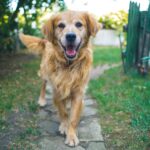
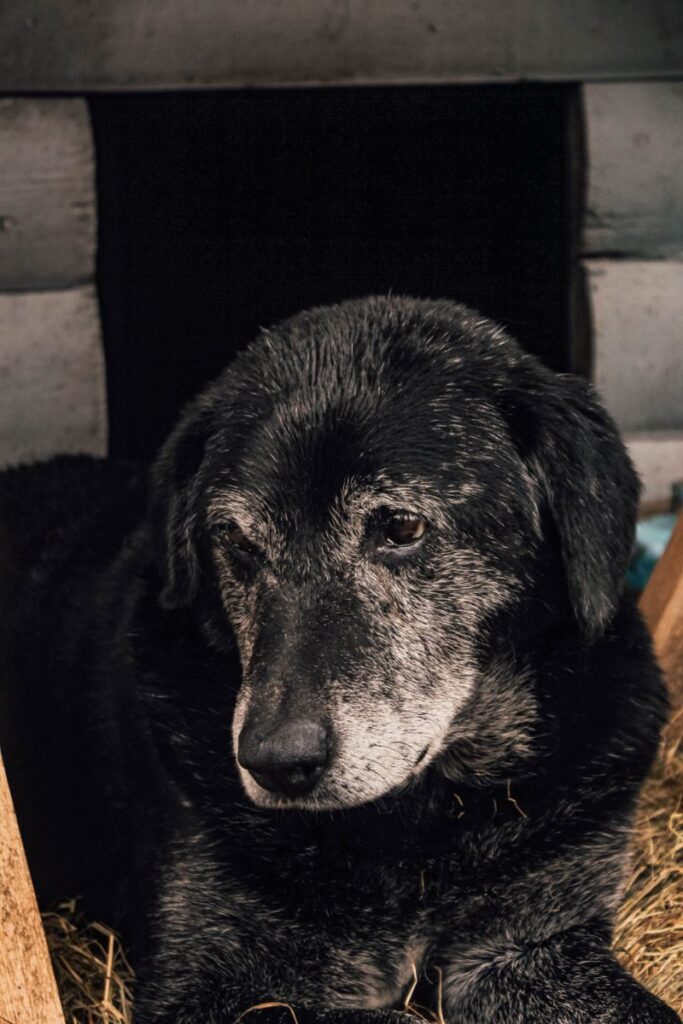
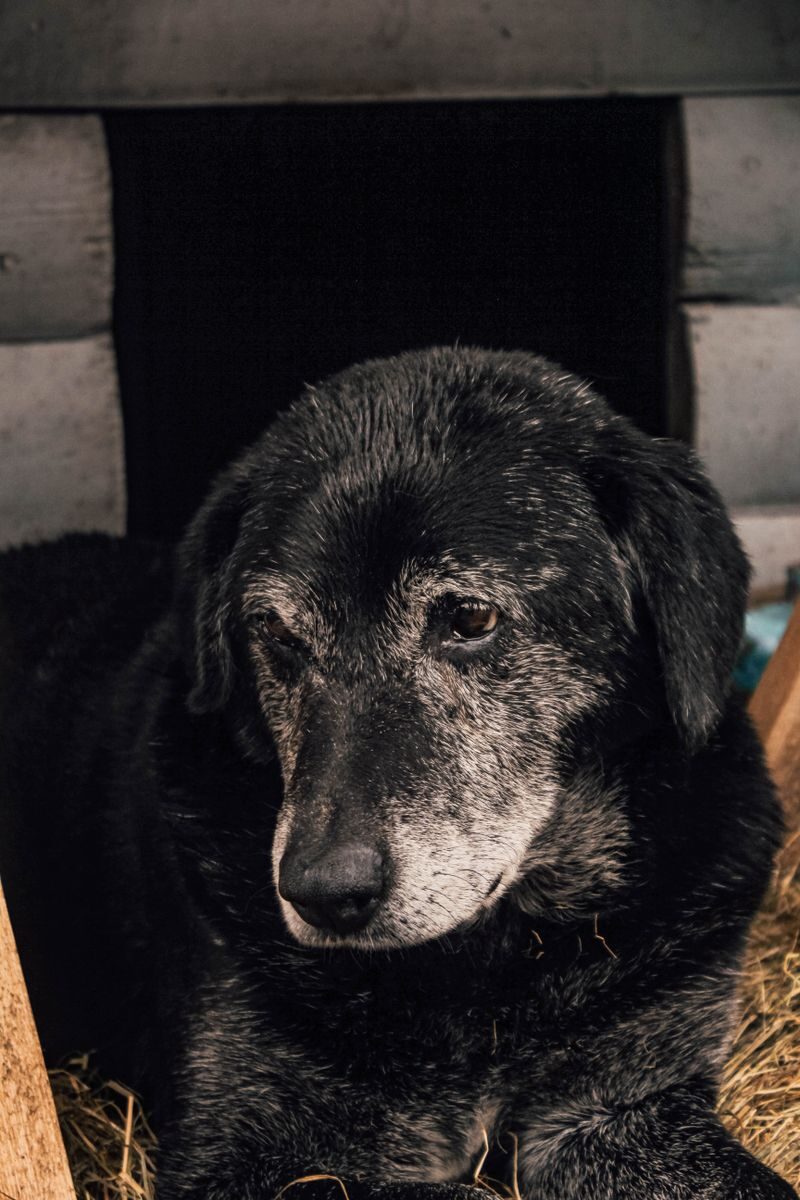
As our beloved canine companions age, just like humans do, they enter their senior years. If you’re a Montreal pet parent sharing your city with a dog who’s started to slow down or show signs of aging, you’re not alone. Seeing your furry friend transition into their silver years brings a mix of emotions – pride in their longevity, concern about their changing needs, and a desire to ensure they remain happy and healthy through Montreal’s unique seasons.
Caring for a senior dog requires a gentle touch, patient understanding, and some adjustments to their daily routine. These adjustments can significantly enhance their quality of life, allowing them to enjoy their golden years comfortably within the vibrant backdrop of Montreal.
Recognizing the Signs of Aging in Your Montreal Dog
Just as Montreal’s architecture reveals its history over time, your dog will show signs of aging. While every dog ages differently, here are common indicators:
Common Signs Your Dog Might Be Getting Older
- Slower Pace: Noticeable decrease in energy levels and activity.
- Potential Weight Changes: Weight gain or loss that isn’t explained by diet or exercise changes.
- Sleep Patterns Shift: Sleeping more during the day and less at night.
- Coat Changes: Thicker coat in winter, thinner in summer, or duller fur.
- Teething Issues: Yellowing teeth, broken teeth, or difficulty chewing.
- Cognitive Decline: Confusion, getting lost near home, or seeming disoriented.
- Arthritis or Joint Pain: Stiffness, reluctance to jump or climb stairs, licking paws excessively.
Recognizing these signs early allows you to make proactive adjustments to their care routine.
Beyond the Vet Visit: Holistic Montreal Senior Dog Care
While regular veterinary check-ups are crucial, caring for a senior dog involves more than just the annual exam. Think of it like maintaining a historic Montreal building – it requires attention to detail and preventative care.
1. Monitoring Physical Changes
- Weight Management: Montreal’s winters can make outdoor exercise less frequent, increasing the risk of weight gain. Monitor their weight closely and adjust kibble portions as needed. Consult your vet about senior-specific formulas if required.
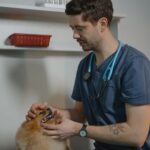
- Dental Health: Senior dogs are more prone to dental issues. Look for signs like bad breath, yellow teeth, or reluctance to eat hard kibble. Discuss dental care options with your vet, which might include special diets or professional cleaning.
- Mobility Issues: Arthritis is common. Consider orthopedic beds for comfort at home. Explore gentle mobility aids like ramps for cars or stairs, or specialised harnesses designed for dogs with limited mobility. Consult your vet about safe, low-impact exercises.
2. Tailoring Their Diet for Montreal’s Seasons
Nutrition needs change with age. As the seasons turn in Montreal, from snowy winters to humid summers, a senior dog’s nutritional requirements may shift.
- Caloric Needs: Activity levels decrease, so calories should be adjusted downward to prevent obesity, which puts extra strain on joints.
- Joint Support: Look for diets rich in glucosamine or fish oil (rich in omega-3 fatty acids). Ask your vet about potential joint supplements suitable for senior dogs.
- Kidney Health: Many senior formulas are lower in phosphorus and protein, which can be easier on aging kidneys.
- Consider Local Options: While not promoting specific brands, you might explore senior dog foods made by Canadian companies known for quality, ensuring they meet your dog’s specific needs.
3. Adjusting Exercise for Montreal’s Climate
Exercise doesn’t mean high-energy activities anymore. Montreal’s parks offer many ways to keep your senior dog active safely.
- Shorter, Softer Walks: Focus on calmer walks on less stimulating paths. Explore quieter areas of Parc Jean-Drapeau or Parc Maisonneuve.
- Indoor Enrichment: Spend time playing fetch indoors, use puzzle toys filled with treats, or practice nose-to-nose games.
- Weather Considerations: Be mindful of Montreal’s extreme weather. Limit walks during very hot summer days or freezing, windy winters. Consider indoor activities on harsher days.
- Water Availability: Always carry water, especially during Montreal’s warmer months, to prevent dehydration.
4. Maintaining Routine and Environment
Structure provides comfort for aging dogs.
- Consistent Schedule: Keep feeding, walks, and bedtime routines predictable.
- Safe Home Environment: Remove tripping hazards. Ensure easy access to water and comfortable resting spots on different levels of your home.
- Managing Incontinence: If bladder control becomes an issue, consider protective bedding or specialised harnesses.
- Bathroom Breaks: Increase frequency of indoor potty breaks, especially indoors.
5. Proactive Veterinary Care in Montreal
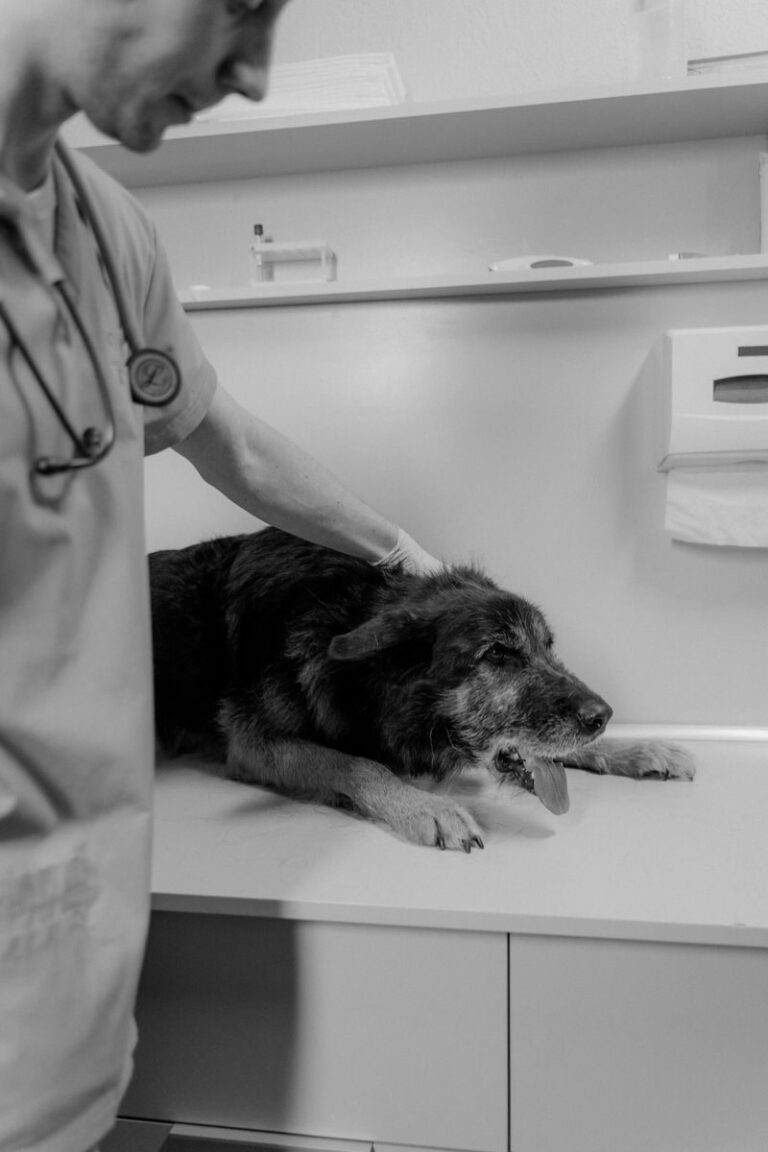
Senior dogs need more frequent vet check-ups – perhaps every 6 months instead of annually.
- Regular Check-ups: Early detection of health issues is key. Montreal vets can monitor organ function, dental health, and manage age-related conditions.
- Senior Vaccinations & Parasite Control: Discuss with your vet whether core vaccines and parasite prevention still needed, based on your dog’s lifestyle.
- Thermoregulation: Older dogs are less tolerant to heat or cold. Ensure they have proper shelter from extreme temperatures, both during Montreal’s winters and summers.
- Listen to Them: Pay close attention to any changes in behaviour, appetite, thirst, or energy levels. Report these changes to your vet promptly.
Montreal’s Parks: Adapting Leisure Time for Senior Dogs
Many Montreal parks remain accessible and enjoyable for dogs of all ages.
- Choosing the Right Spot: Opt for calmer areas away from busy paths or high-traffic events.
- Buddy System: Walk your senior dog with a companion or a well-behaved dog.
- Hydration Stations: Always carry water, especially during warmer months.
- Supervising: Keep a close eye on your dog for signs of fatigue or discomfort.
Final Leash on Montreal Senior Dog Care
Caring for a senior dog in Montreal is about adapting, not abandoning, the joys of companionship. By making small, thoughtful adjustments to their diet, exercise, and environment, you can help your aging canine thrive during these well-earned years.
Remember that every dog is an individual, and what works for one might not suit another. Always consult with your veterinarian for advice tailored to your specific dog’s needs.
Providing attentive care during their senior years ensures your beloved Montreal companion enjoys comfort, happiness, and many more Montreal memories together.