In this story
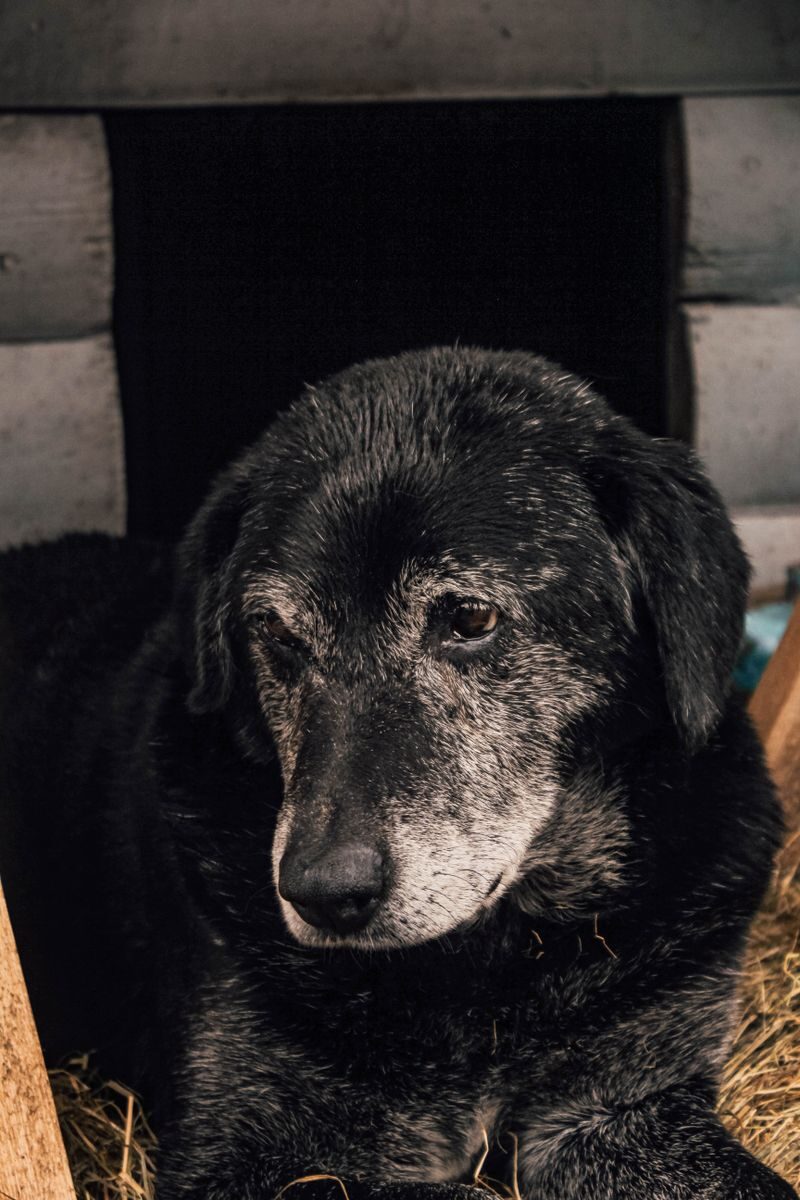
Caring for Your Senior Dog in Toronto
Welcome, Toronto dog owners and enthusiasts! As our canine companions age, they enter their golden years, much like we do. Caring for a senior dog requires understanding and adjustment, ensuring they enjoy their later years comfortably. This guide explores the special needs of aging dogs in the unique Toronto environment.
Understanding Canine Aging
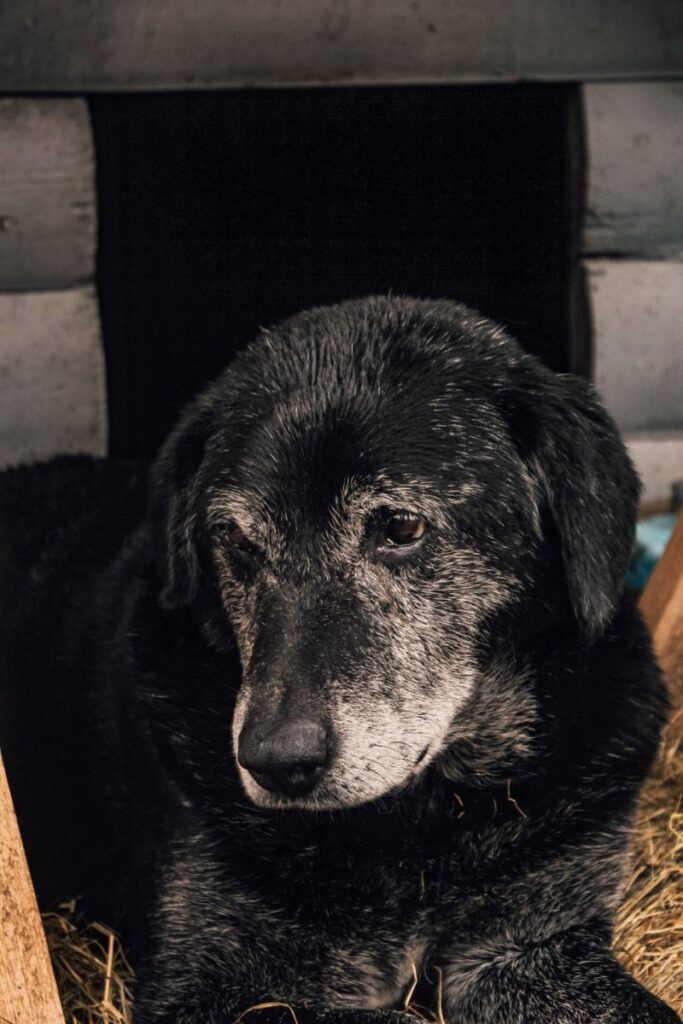
While dogs age differently than humans, signs of aging typically appear around age 7, similar to when humans reach their senior years. Unlike humans, dogs don’t have decades to prepare for retirement, so as pet parents, we need to be proactive. Think of it like adjusting your own retirement plans, but for your best friend.
Recognizing the Signs
Before diving into care, it’s important to recognize that aging process. Common signs include:
- Slower movement or reluctance to exercise
- Changes in sleep patterns (more sleep, less activity)
- Hearing or vision loss
- Weight fluctuations (gain or loss)
- Increased sleep or restlessness
- Dental issues becoming more apparent
- Changes in coat quality or thickness
If you notice significant changes, consult your vet – they’re your best resource for assessing your dog’s age-related health.
Physical Changes and Health Monitoring
Aging affects a dog’s body systems just as it does ours. Being observant helps catch potential issues early.
Joint and Mobility Issues
Many dogs experience arthritis or hip dysplasia as they age. In Toronto’s colder climate, maintaining a healthy weight becomes even more crucial to减轻关节压力. Regular, gentle exercise helps maintain mobility, but avoid high-impact activities on slippery surfaces.
Consider:
– Installing rubber ramps at home for access to favourite spots
– Using winter-appropriate dog boots for safe walks on icy paths
– Consulting your vet about safe, gentle supplements like glucosamine if recommended
Sensory Changes
As dogs age, their senses may decline:
- Vision: Cataracts are common. Watch for cloudy eyes or reluctance to go off-leash.
- Hearing: They may become less responsive to sounds. Adjust how you get their attention.
Organ Function Decline
Kidneys, liver, and heart function naturally slow. This increases the risk of conditions like kidney disease or heart issues. Regular vet check-ups become even more critical.
Toronto Tip: Visit parks like High Park in the warmer months for low-stress exercise, or consider indoor facilities like dog parks in community centers during winter.
Nutrition for the Golden Years
Diet plays a vital role in maintaining health as dogs age.
Senior-Specific Diets
Many manufacturers offer senior dog food with controlled calories and specific nutrients. However, not all dogs need drastically different diets. Focus on:
– High-quality protein for muscle maintenance
– Controlled fat intake for energy without excess weight
– Joint-supporting ingredients like fish oil
– Easily digestible food if gastrointestinal issues arise
Weight Management
Overweight senior dogs face increased risks of arthritis, diabetes, and heart problems. Maintaining a healthy weight is arguably the most important aspect of senior care. In Toronto, with four distinct seasons, portion control and activity balance are key.
Local Consideration: With the city’s many green spaces, like Trinity Bellwoods, ensure walks are appropriate for your senior dog’s energy level and weather conditions.
Exercise and Mental Stimulation
Just because a dog is older doesn’t mean they shouldn’t get exercise or mental engagement.
Tailored Exercise
- Duration: Shorter, more frequent walks rather than one long hike
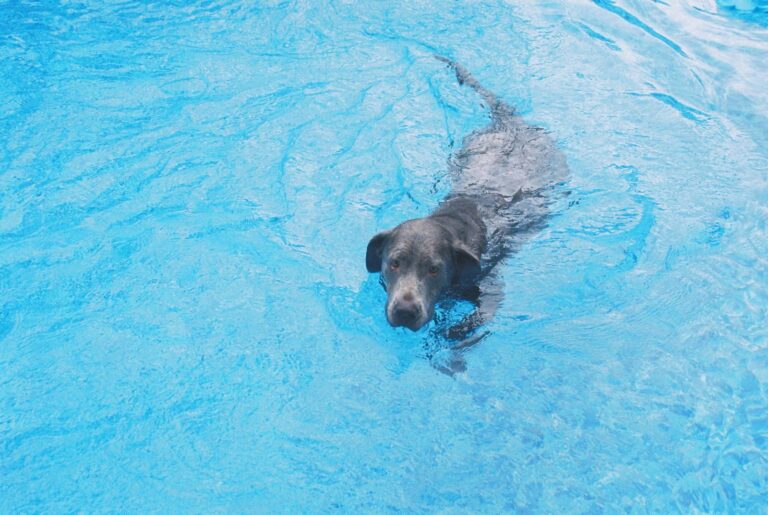
- Intensity: Low-impact activities like swimming or leisurely strolls
- Weather: Be mindful of Toronto’s temperature extremes – walk during cooler parts of the day in summer, and use snow boots and consider indoor alternatives in winter
Mental Stimulation
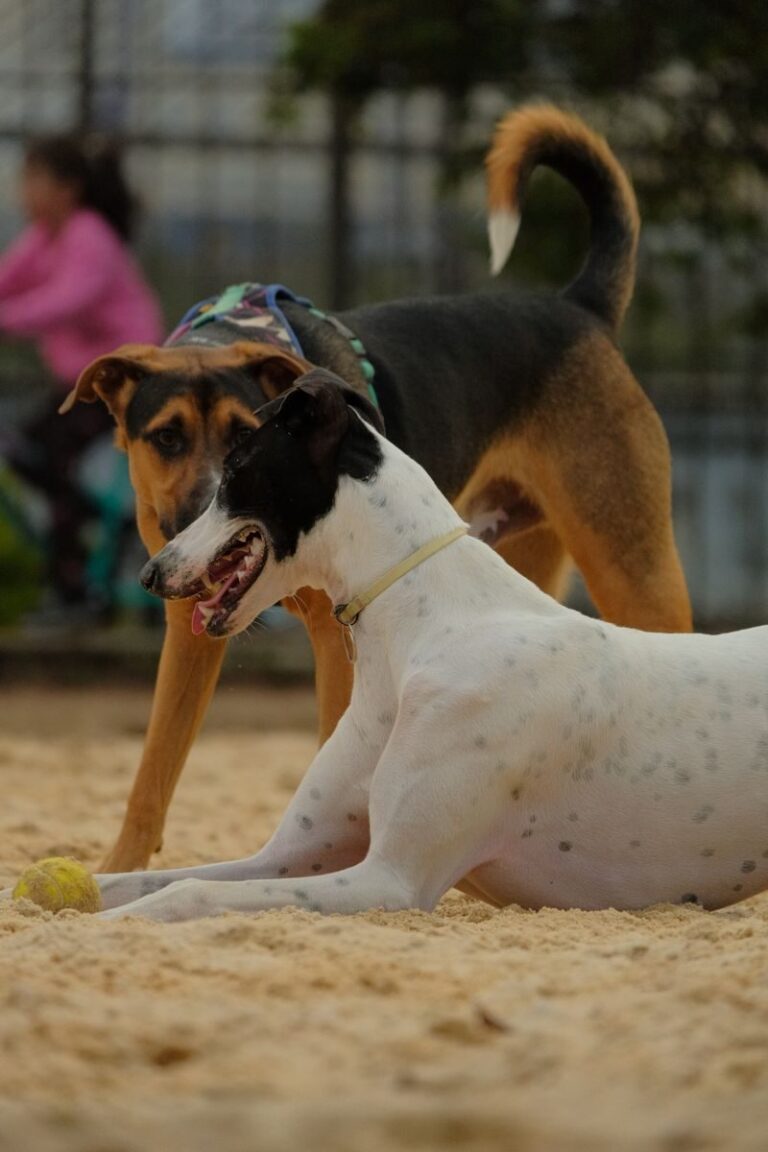
Older dogs can still benefit from puzzle toys, short training sessions, and exposure to familiar sights and sounds. Socialization with other calm, friendly dogs in safe, controlled environments (like registered Toronto dog parks) remains beneficial.
Community Resource: Look into local programs or groups focused on senior dogs for additional support and socialization ideas.
Comfort and Routine
Establishing and maintaining a consistent routine provides comfort and security for aging dogs.
Creating a Comfortable Home
- Ensure comfortable, orthopedic beds in warm, draft-free areas
- Keep floors clear of tripping hazards
- Provide easy access to water and essentials
Consistency is Key
- Stick to regular feeding times
- Maintain a predictable walk schedule
- Keep vet appointments on schedule
Veterinary Care
Regular veterinary check-ups are paramount for senior dogs. Discuss:
– Vaccination schedules
– Parasite prevention
– Blood work to monitor organ function
– Potential age-related health screenings
The Emotional Aspect
Caring for a senior dog can be emotionally rewarding but also challenging. Provide extra affection, patience, and security. Their bond deepens with age.
Planning Ahead
Consider:
– Mobility aids if needed
– Who will take over care if you can’t
– Discuss end-of-life options with your vet if the quality of life declines
Conclusion
Caring for a senior dog in Toronto is a deeply rewarding experience. By being observant, adjusting their routine, providing appropriate nutrition and care, and ensuring they feel loved and secure, we can help our aging canine companions enjoy their golden years to the fullest. Their loyalty and companionship enrich our lives immensely, and with proper care, they return the favour.
Related posts:
 Senior Dog Adoption in Edmonton: A Guide for Compassionate Families
 Silver Years for Your Senior Dog: A Guide to Montreal Senior Dog Care
 The Veterinary Visit Timeline: Keeping Your Toronto Dog Happy and Healthy
 Top Dog Groomers in Toronto: 100+ Pet Salons & Spas to Pamper Your Pup
 Adopting a Senior Dog in Toronto: A Heartwarming Choice