In this story
When Your Calgary Companion Needs the Vet
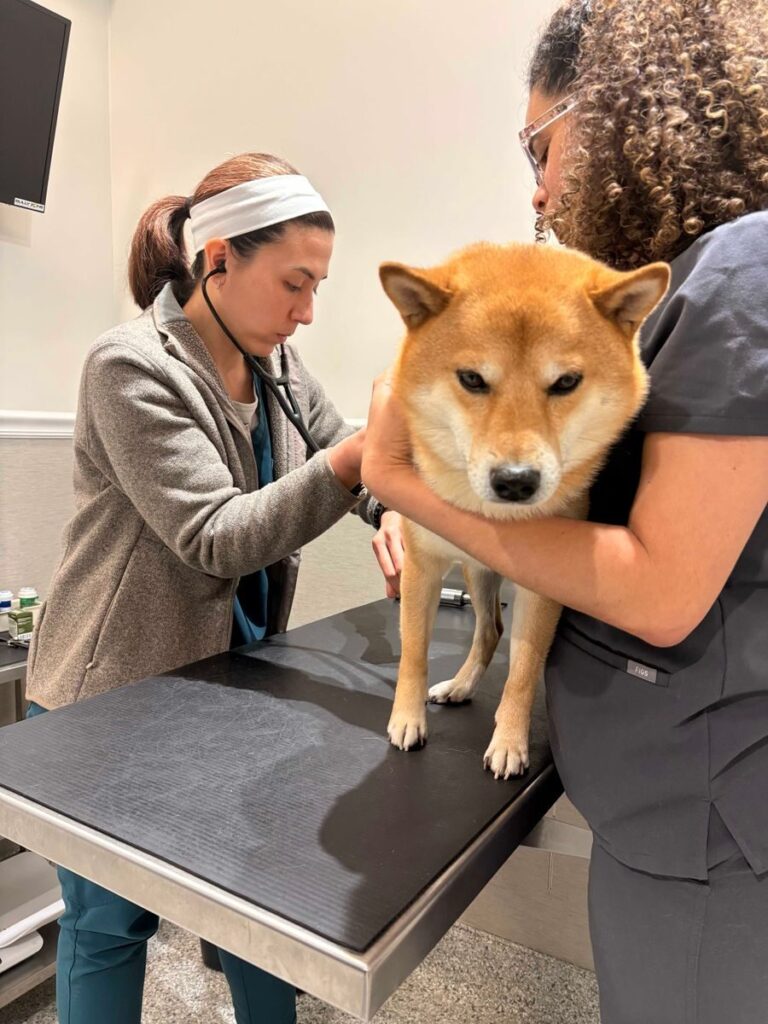
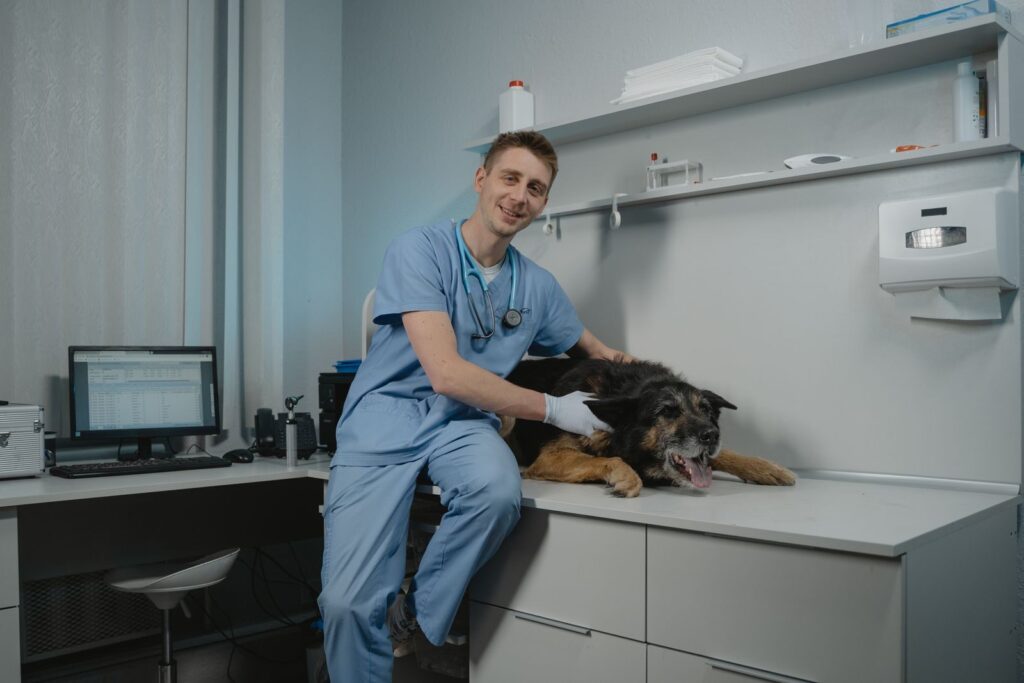
Being a dog parent in Calgary means sharing our lives with some of the province’s best companions. Our four-legged friends bring immense joy, but sometimes they need more than just love and belly rubs—they need professional care from the Calgary Veterinary College or other local clinics. Knowing when to call the vet is crucial for your dog’s well-being.
This guide focuses on practical, everyday signs that indicate your dog might be feeling unwell and needs a check-up with a Calgary vet. Early detection often leads to easier treatment and a quicker return to your dog’s happy, healthy self playing in Nose Hill Park or lounging comfortably at home.
More Than Just a Little Whine
Dogs can’t tell us directly when they’re feeling under the weather. They rely on subtle (and sometimes not-so-subtle) clues to communicate their needs. Paying attention to these everyday changes can make a world of difference:
Sudden Changes in Behavior
Your dog’s personality is usually quite consistent. If something shifts abruptly, it’s worth looking into:
- Lethargy or Decreased Activity: Is your usually energetic Border Collie suddenly preferring to nap on the couch all day? A drop in energy levels is a red flag.
- Increased Anxiety or Fearfulness: Notice your typically confident dog becoming unusually anxious around things they usually ignore? This could indicate pain or illness.
- Aggression or Unusual Fear: Changes in temperament, whether becoming more aggressive or showing extreme fearfulness towards familiar situations, warrant a vet visit.
- House Soiling: If your trained, housetrained dog starts having accidents indoors, especially if this is new, it could signal pain, cognitive decline (like in older dogs), or an underlying medical issue.
- Changes in Social Interaction: Does your dog suddenly avoid interaction with people or other dogs they usually enjoy being around? This can indicate discomfort or illness.
Appetite and Water Intake Changes
What your dog eats and drinks can be a window to their health:
- Loss of Appetite: A sudden decrease in interest in food, especially if they’ve always been enthusiastic eaters, is concerning.
- Increased Appetite: While seemingly less common, ravenousness can sometimes indicate endocrine issues or other health problems.
- Drinking Too Much Water (Polydipsia): If your dog is drinking significantly more water than usual, consult your vet. This can be a sign of kidney issues, diabetes, or Cushing’s disease.
- Not Drinking Enough Water (Decreased Water Intake): Dehydration is serious. A lack of interest in water, especially in hot Calgary weather, needs urgent attention.
- Rapid Eating or Drinking: Eating or drinking very quickly can sometimes indicate pain or discomfort preventing them from slowing down.
Changes in Energy Levels and Sleep
Observe your dog’s usual rhythm:
- Excessive Sleep: While dogs need sleep, sleeping excessively, especially during the day, can be a sign of lethargy or underlying health problems.
- Restlessness or Panting: Noticeable, unexplained panting, especially indoors with no obvious cause like heat, exercise, or anxiety, can indicate pain, respiratory issues, or cardiac problems.
- Fainting or Weakness: Any episode of fainting or sudden weakness should be evaluated immediately by a Calgary vet.
Physical Symptoms That Can’t Be Ignored
Sometimes the signs are more obvious once you look closer:
Eyes
- Redness, Swelling, or Discharge: Any unusual discharge (clear, green, yellow, bloody) or signs of irritation need checking.
- Cloudiness or Opacification: Cloudy eyes can indicate issues like dry eye or more serious infections.
- Excessive Tearing: While some breeds have tear ducts near their eyes, excessive tearing isn’t normal.
- Problems with Eyesight: Notice if your dog bumps into things more often or seems visually disoriented.
- Visible Foreign Objects or Injury: Any grass seeds, debris, or signs of trauma to the eyes require urgent attention.
Ears
- Redness, Swelling, or Odour: Indicates potential infection or inflammation.
- Itchiness or Scratching: Excessive ear scratching can lead to injury and infection.
- Discharge: Yellow, green, or bloody discharge from the ears isn’t normal.
- Head Shyness or Sensitivity: If your dog flinches or pulls back when you touch their ears, it could be painful.
Nose
- Significant Nosebleeds: While occasional minor nosebleeds can happen, frequent or severe ones should be checked.
- Constant Sneezing or Runny Nose: Especially if accompanied by other symptoms, this warrants a look-in.
Skin and Coat
- Redness, Rashes, or Hives: Visible irritation on the skin.
- Itchiness, Biting, or Scratching: Excessive grooming can lead to hair loss, hot spots, or infections.
- Visible Swelling or Lumps: Any new bumps or swellings should be examined.
- Changes in Coat Condition: Rough, dull, or excessive shedding can sometimes indicate nutritional deficiencies, allergies, or internal issues.
- Nail Issues: Overgrown, brittle, or discoloured nails need trimming and assessment.
Gums and Mouth
- Pale, White, or Blue Gums: Lack of pigment or a bluish tint indicates poor oxygenation and requires immediate vet care.
- Bleeding Gums or Cheeks: Not normal and can indicate various health issues.
- Bad Breath: Persistent bad breath can be a sign of dental disease or other systemic problems.
- Difficulty Eating or Chewing: Pain in the mouth or throat.
- Excessive Salivation: Drooling can sometimes indicate pain or ingestion of something inappropriate.
Urination and Defecation Issues
- Difficulty Urinating (Straining, Pacing, Whining): This is a urinary emergency.
- Incontinence: Accidental urination indoors, especially in a house-trained dog, requires attention.
- Blood in Urine or Faeces: Hematuria or haematochezia are serious signs.
- Changes in Frequency or Consistency: Diarrhea, constipation, or straining to defecate can indicate digestive issues.
- Inability to Defecate: If your dog hasn’t had a bowel movement for an unusual amount of time, consult your vet.
Signs of Pain
Dogs often hide pain, but watch for:
- Whining, whimpering, or growling (especially if not typical)
- Reluctance to move, climb stairs, or get into the car
- Excessive licking of paws, mouth, or other areas
- Aggression or snapping when approached
- Changes in posture (hunched, tucked position)
When to Seek Immediate Emergency Care
Some situations require urgent veterinary attention. If your dog is experiencing any of these, head to your nearest emergency vet clinic (many Calgary clinics offer emergency services):
- Seizures
- Vomiting that won’t stop
- Ingestion of a known toxin or foreign object
- Significant trauma
- Difficulty breathing
- Pale gums or collapse
- Severe bleeding
- Broken bones
- Sudden, unexplained lethargy or coma
Calgary Resources
Calgary offers dedicated resources for pet owners concerned about their dog’s health:
- Calgary Animal Services: While not a vet clinic, they can provide information and guidance.
- Local Veterinary Clinics: Many excellent clinics in Calgary provide comprehensive care.
- Calgary Veterinary College: Offers specialized care.
Remember, early detection is key. Regular check-ups and observant care can help ensure your Calgary companion stays healthy and happy for years to come.
Related posts:
 When Your Calgary Pooch Needs the Vet: Signs to Watch For
 Beat the Heat: Keeping Your Calgary Dog Cool This Summer
 Stay Dry and Cozy: Calgary’s Best Rainy-Day Gear for Dogs
 Gentle Walks and Warm Cozies: Understanding Senior Dog Care in Calgary
 Calgary Dog Wellness: Keeping Your Pooch Healthy with Regular Vet Visits