In this story
Calgary Dog Wellness: Keeping Your Pooch Healthy with Regular Vet Visits
As proud Calgary dog owners, we know how much joy our furry friends bring. From frolicking in the park to cozy evenings at home, our dogs are an integral part of our families. Keeping them healthy is paramount, and one of the most important things you can do is establishing a regular schedule for veterinary checkups. While the golden rule might sound simple, understanding why these visits matter and knowing the specifics tailored for Calgary can make all the difference.
Why Regular Vet Visits Matter for Your Calgary Dog
Think of your veterinarian as your dog’s health advocate. Regular visits aren’t just about addressing problems when they arise; they’re about proactive health management. Here’s why they’re crucial:
- Early Detection is Key: Many health issues, from minor infections to serious conditions like kidney disease or certain cancers, develop gradually. Regular checkups allow veterinarians to catch these problems early, when they’re most treatable and often less costly.
- Preventative Care: This is arguably the most important aspect. Visits are the perfect time for vaccinations, parasite control (fleas, ticks, worms), dental assessments, and wellness blood tests. Preventing illness is always better than treating it.
- Monitoring Chronic Conditions: If your dog has conditions like allergies, arthritis, or diabetes, regular vet visits are essential for monitoring their progress, adjusting treatments, and ensuring their quality of life remains high.
- Dental Health: Dental disease is incredibly common in dogs and can cause pain and lead to serious health issues. Routine dental exams can identify problems early, and professional cleanings (when needed) are crucial.
- Building a Relationship: Your vet becomes familiar with your dog’s normal behavior, eating habits, and coat condition. This familiarity helps them quickly identify subtle changes that might indicate a problem.
Establishing the Ideal Vet Visit Schedule for Your Calgary Dog
While the exact frequency can vary based on individual needs, here’s a general guideline for most healthy adult dogs in Calgary:
The Standard Recommendation: Annual Visits
For a healthy adult dog with no known health issues, a checkup at least once a year is the standard recommendation. This ensures vaccinations are up-to-date, parasite control is effective, and overall health is monitored.
Puppies Need Frequent Care
Your puppy’s first year is critical for building a strong foundation for health:
- First Visit: Schedule this puppy appointment around 6-8 weeks of age. Crucial for initial vaccinations and parasite prevention (often includes fecal exam).
- Vaccination Schedule: Puppies typically need a series of core vaccines (like those for parvovirus, distemper, adenovirus, and rabies) given at specific intervals (usually 3-4 visits). Discuss the exact timing with your Calgary vet.
- Parasite Prevention: Start your puppy on preventative for heartworm, fleas, and ticks early. Calgary’s climate means year-round prevention is often necessary.
Senior Dogs (Typically 7+ Years Old)
As dogs age, they become more prone to health issues. Consider increasing the frequency for senior dogs:
- Bi-Annual Visits: Visits twice a year (e.g., spring and fall) can be beneficial. This allows for consistent monitoring of any age-related changes.
Factors That Might Warrant More Frequent Vet Visits
While the standard schedule works for many, some Calgary dogs may need more frequent checkups. Keep an eye out for:
- Lifestyle: Active dogs with high energy levels might sometimes mask pain or illness better than less active ones. Conversely, older or less active dogs might show signs more subtly.
- Diet and Weight: Dogs on special diets or prone to weight issues should be monitored closely for digestive health and weight management.
- Chronic Conditions: Dogs with diagnosed health issues (allergies, kidney disease, Cushing’s, etc.) require regular monitoring and adjustments to their treatment plan.
- Medications: Long-term medication use requires periodic checks to monitor for potential side effects.
- Age: As mentioned, senior dogs often benefit from more frequent visits starting around age 7.
- Breed Predispositions: Certain breeds have higher risks for specific health problems (e.g., hip dysplasia, certain heart conditions). Discuss breed-specific concerns with your vet.
- Changes in Behaviour or Health: This is crucial! If your dog shows any changes in behaviour, appetite, thirst, urination patterns, activity level, or physical appearance (coat, eyes, ears), schedule a checkup sooner rather than later. Changes like lethargy, vomiting, diarrhea, coughing, or lameness shouldn’t be ignored.
What Happens During a Typical Vet Visit
Being prepared for what to expect can make the experience less stressful for both you and your dog:
The Physical Examination
Your vet will thoroughly check:
- Temperature: Checking for fever or hypothermia.
- Eyes: Looking for discharge, redness, cloudiness, or signs of disease.
- Ears: Checking for infection, redness, or odor.
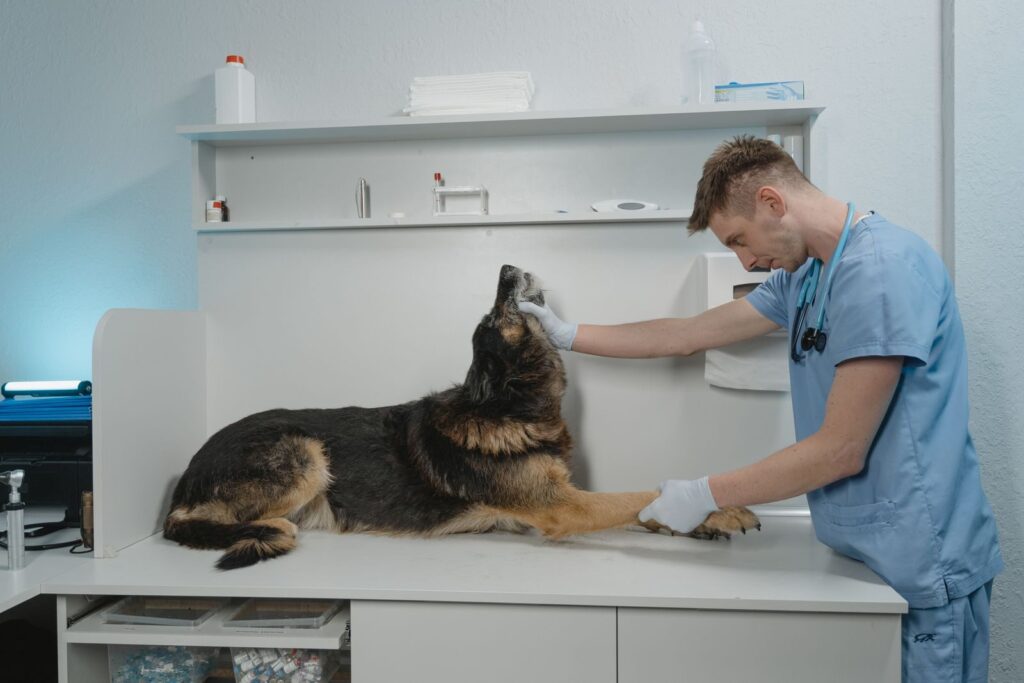
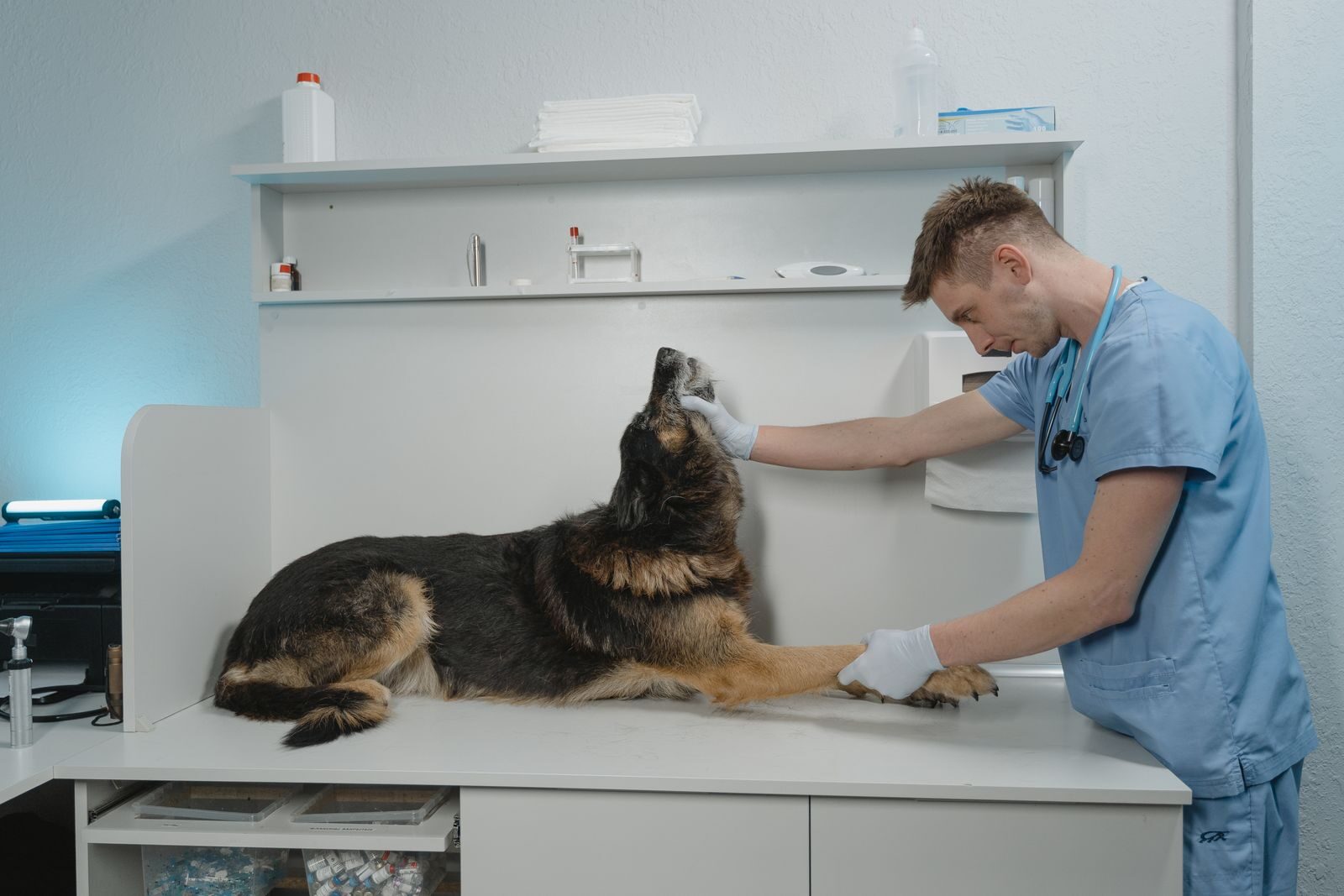
- Mouth: Examining teeth, gums, and tongue for tartar, gingivitis, broken teeth, or oral masses.
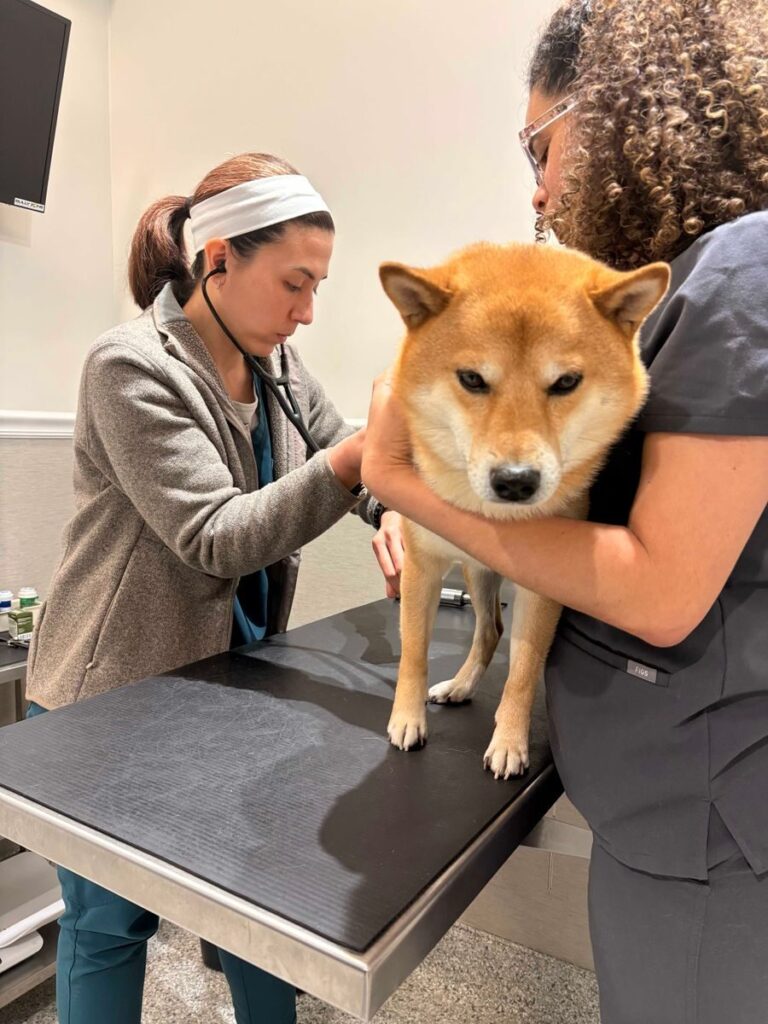
- Heart and Lungs: Listening for murmurs, abnormal lung sounds, or respiratory issues.
- Abdomen: Palpating to check for pain, masses, or organ enlargement.
- Skin and Coat: Looking for lumps, bumps, parasites, rashes, or signs of poor coat condition.
- Overall Body Condition: Assessing muscle mass, weight, and body fat.
Preventative Care Components
This is where the annual (or more frequent) visit shines:
- Vaccinations: Reviewing and updating vaccinations according to your dog’s age, lifestyle, and risk factors.
- Parasite Control: Discussing and implementing flea, tick, and worm control. This includes fecal examinations to check for internal parasites.
- Dental Assessment: Evaluating dental health and recommending professional cleaning if needed.
- Blood Tests (Wellness Panel): Recommended periodically (often annually or bi-annually starting around age 5-7), these tests check organ function, blood cell health, and protein levels, providing a baseline and detecting subtle health issues.
Calgary Considerations for Your Dog’s Health
Living in Calgary means considering the unique aspects of our environment:
- Climate: Our winters demand attention to coat health. Regular checkups help ensure their coat is appropriate for shedding seasons and provides adequate insulation. Discuss any concerns about their coat condition with your vet.
- Local Parks and Parks: While great for exercise, ensure your dog’s vaccinations and parasite prevention are up-to-date before exploring local parks like Nose Hill or Fish Creek. This protects both your dog and other animals.
- Community Resources: Calgary has excellent veterinary care available. Building a relationship with a Calgary vet practice ensures continuity of care.
Beyond the Schedule: Building a Partnership with Your Vet
The best approach is to view vet visits as a partnership. Be prepared to share details about your dog’s daily life: diet, treats, activity level, behaviour at home, and any changes you’ve noticed. Don’t hesitate to ask questions about their health, diet, or the preventative care recommended.
Conclusion: Prioritizing Your Calgary Dog’s Health
Consistent veterinary care is a cornerstone of responsible dog ownership in Calgary. By establishing a regular schedule (typically annual, with adjustments for age, health, and lifestyle), you’re investing in your dog’s longevity and well-being. These checkups provide invaluable peace of mind, ensuring your beloved companion stays happy, healthy, and wagging their tail in the great Canadian landscape of Calgary. Don’t wait for problems to arise; schedule that wellness checkup today for your best friend!