In this story
Why You Might Need to Change Your Dog’s Food
Like people, dogs sometimes need a change in their diet for various reasons. Perhaps your current dog food isn’t agreeing with your pet anymore, or you’ve heard about the benefits of a grain-free formula. Maybe you’re moving to a new home and want to establish a routine with local Hamilton-area pet stores. Whatever the reason, switching dog food can be a stressful time for your furry friend if not done properly. The good news? With careful planning and execution, you can make the transition smooth and even beneficial for your dog’s health.
It’s important to understand that sudden changes to your dog’s diet can lead to digestive upset, including vomiting, diarrhea, and decreased appetite. These symptoms aren’t just uncomfortable for your dog; they can also mask underlying health issues if the diet switch coincides with a problem. By transitioning gradually, you allow your dog’s digestive system time to adjust to the new nutrients and ingredients, minimizing the risk of these issues.
Planning Your Transition
Choosing Your New Dog Food
Before you even start mixing bowls, you need to decide on the right food for your dog. This isn’t just about picking something that looks appealing on the shelf at the Hamilton SPCA adoption event or the local pet store. You should base your decision on several factors:
- Your Dog’s Needs: Consider their age, breed, activity level, and any specific health conditions. A highly active Labrador Retriever has different nutritional requirements than a senior Beagle with a sensitive stomach.
- Consult Your Vet: Always discuss the change with your Hamilton veterinarian. They can provide guidance based on your dog’s specific health profile and may recommend a food that addresses any particular needs.
- Read Labels: Look for AAFCO-approved products that clearly state the guaranteed analysis and ingredient list. Understanding what your dog is eating is crucial.
- Consider Quality: Look for reputable brands known for quality control. While there are many Canadian small-batch dog food makers gaining popularity, choosing a well-established formula ensures consistent quality.
Timing Your Change
How quickly you transition depends largely on your dog and the specific foods involved. A general guideline is to spread the transition over 7 to 10 days, but start with a very slow introduction:
- 7-Day Method: This is the safest approach for most dogs.
- Days 1-3: 10% new food + 90% old food
- Days 4-5: 25% new food + 75% old food
- Days (optional) 6-7: 50% new food + 50% old food
- 4-Day Method: A faster option, suitable for some dogs:
- Day 1: 25% new food + 75% old food
- Days 2-3: 50% new food + 50% old food
- Days 4-5: 75% new food + 25% old food
Gathering Supplies
You’ll need a few simple items to make the transition easier:
- Measuring Cups/Spoons: Accuracy is key to a gradual transition.
- Clean Bowls: Keeping food fresh is important. Consider having separate bowls for old and new food during the transition period.
- Calendar or Chart: To track your progress and ensure you’re following the schedule.
- Old Food: You’ll need to buy extra of your current food.
- New Food: Have the new food ready.
Executing the Transition
This is where the planning pays off. Stick to your schedule as closely as possible:
Day 1: Start Slow
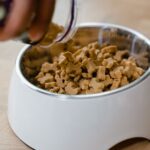
Mix just 1 tablespoon (about 10%) of the new food with 3/4 cup of the old food. If your dog eats it without any issues, great! If they hesitate or show mild interest, it’s okay. Don’t force the issue – they need to want the new food.
Gradually Increase the Ratio
Each day, increase the proportion of the new food slightly. A simple way is to add one extra tablespoon of new food and remove one tablespoon of old food. For example:
- Day 1: 1 tbsp new + 3/4 cup old = 10% new
- Day 2: 2 tbsp new + 3/4 cup old = 20% new
- Day 3: 3 tbsp new + 3/4 cup old = 30% new
- And so on…
Monitor Closely
This is the most important part. Watch your dog carefully during and after each meal:
- Appetite: Is your dog eating well? Are they finishing their meals?
- Digestion: Look for any signs of upset: soft stools, gas, vomiting, or diarrhea.
- Energy Levels: Has your dog’s energy changed? Usually, they should become more comfortable with the new food.
- Coat Condition: Sometimes, a new diet can improve coat health.
- Water Intake: Ensure they’re drinking plenty of water.
If you notice any concerning changes, slow down the transition or consult your vet.
The Final Switch
Once you reach the final ratio (usually 50/50 or 75/25, depending on your chosen timeline), give your dog 24-48 hours to fully adjust to the new food. Then, you can fully switch to the new food. If your dog seems comfortable, you’re done! If there are still concerns, you may need to revert to the previous ratio or even try a different food.
What to Do If Things Go Wrong
Even with careful planning, digestive upset can happen. If your dog develops diarrhea or vomiting during the transition, here’s what to do:
- Slow Down: Immediately stop increasing the ratio of the new food. Revert to the previous day’s mixture.
- Monitor: Watch your dog closely. Often, mild digestive upset resolves within 24-48 hours as the system adjusts.
- Hydrate: Ensure fresh water is available to prevent dehydration.
- Contact Your Vet: If symptoms persist for more than 48 hours, worsen, or if your dog stops eating or drinking, contact your Hamilton veterinarian for advice.
Important Considerations
- Patience is Key: Rushing the process increases the risk of problems. Stick to your schedule.
- Listen to Your Dog: If your dog consistently refuses the new food, even after a successful transition, it might not be the right choice for them. Don’t force the issue.
- Quality Matters: A high-quality food is less likely to cause digestive upset than a poor-quality one.
- Local Resources: Hamilton has many resources for pet owners, including the Hamilton Humane Society and local vets, who can offer further guidance.
Conclusion
Switching your dog’s food doesn’t have to be a stressful experience. By planning carefully, choosing the right food, transitioning gradually, and monitoring your dog closely, you can ensure a smooth changeover that benefits their long-term health. Always consult your veterinarian before making significant changes to your dog’s diet, and remember that every dog is an individual. Taking the time to do it right is the best way to keep your Hamilton companion happy and healthy for years to come.