In this story
A Gentle Guide to Switching Your Dog’s Food in Vancouver
As a proud Vancouver dog owner, you know your best friend is part of the family. That means paying attention to what keeps them happy, healthy, and wagging their tail. Sometimes, just like we might prefer a different flavour for lunch, your dog might benefit from a change in their diet. Maybe you’re trying a new high-quality kibble, exploring grain-free options, or simply rotating their food for variety. Whatever the reason, switching dog food requires care and planning to avoid upsetting your dog’s tummy.
While it might seem harmless to just dump the old bag and fill it with the new stuff, doing this abruptly can lead to digestive distress. We’ve seen too many dogs in local clinics with upset stomachs after a sudden food change. That’s not just uncomfortable for your dog; it can deter them from trying the new food they might actually thrive on.
This guide will walk you through the steps to safely transition your Vancouver companion to their new food, ensuring a positive experience for everyone involved.
Why You Might Need to Switch Dog Food
Before diving into the ‘how’, let’s briefly cover the ‘why’. Common reasons for switching dog food in Vancouver include:
- Health Concerns: Your vet might recommend a specific diet for allergies, sensitivities, digestive issues, or age-related needs (like senior food).
- Quality Improvement: Moving to a more natural, high-quality, or locally-sourced option.
- Specific Dietary Needs: Addressing food sensitivities or trying a limited ingredient diet.
- Weight Management: Switching to a lower-calorie or weight management formula.
- Lifestyle Changes: Adjusting to a new activity level with specific fuel needs.
Regardless of the reason, the method of switching is what makes the difference between a smooth transition and a miserable one for your dog.
The Dangers of Abrupt Change
Think of your dog’s digestive system as a sophisticated little factory. It’s used to processing the same ingredients in a specific way. Suddenly changing the input (food) throws this system into chaos.
Abruptly switching dog food can lead to:
- Gastrointestinal Upset: This is the most common issue. Symptoms include:
- Soft or watery stools
- Gas and bloating
- Diarrhea
- Vomiting
- Loss of appetite
- Reduced Water Intake: Digestive discomfort can sometimes make dogs less interested in drinking, which is dangerous.
- Resistance to New Food: If your dog associates the change with an unpleasant experience, they may refuse to eat the new food altogether.
We’ve seen this in our parks too – a dog that suddenly won’t eat its kibble after a change, causing concern for its owners. Making the switch properly minimizes these risks and helps your dog adapt comfortably.
The Golden Rule: Go Slow, Go Gradual
The cornerstone of a successful food transition is gradualness. Allow plenty of time for your dog’s system to adjust. How long does this take? It depends on several factors, but a general guideline is:
- 3-7 Days: For significant changes (e.g., switching brands with very different ingredients).
- 7-14 Days: For moderate changes.
- 14 Days or More: For sensitive dogs or when switching to a very different diet (like raw or significant ingredient changes).
Step-by-Step: How to Transition Your Dog’s Food
Follow these steps carefully to ensure a smooth transition:
1. Start the Mixing Process
Begin the day before your planned switch date.
* Choose your new dog food. Ensure it’s appropriate for your dog’s age, size, and health needs. Consult your veterinarian if you’re unsure.
* Keep the old food refrigerated separately once you stop serving it, unless it’s an open bag of a quality brand that can be kept in the fridge.
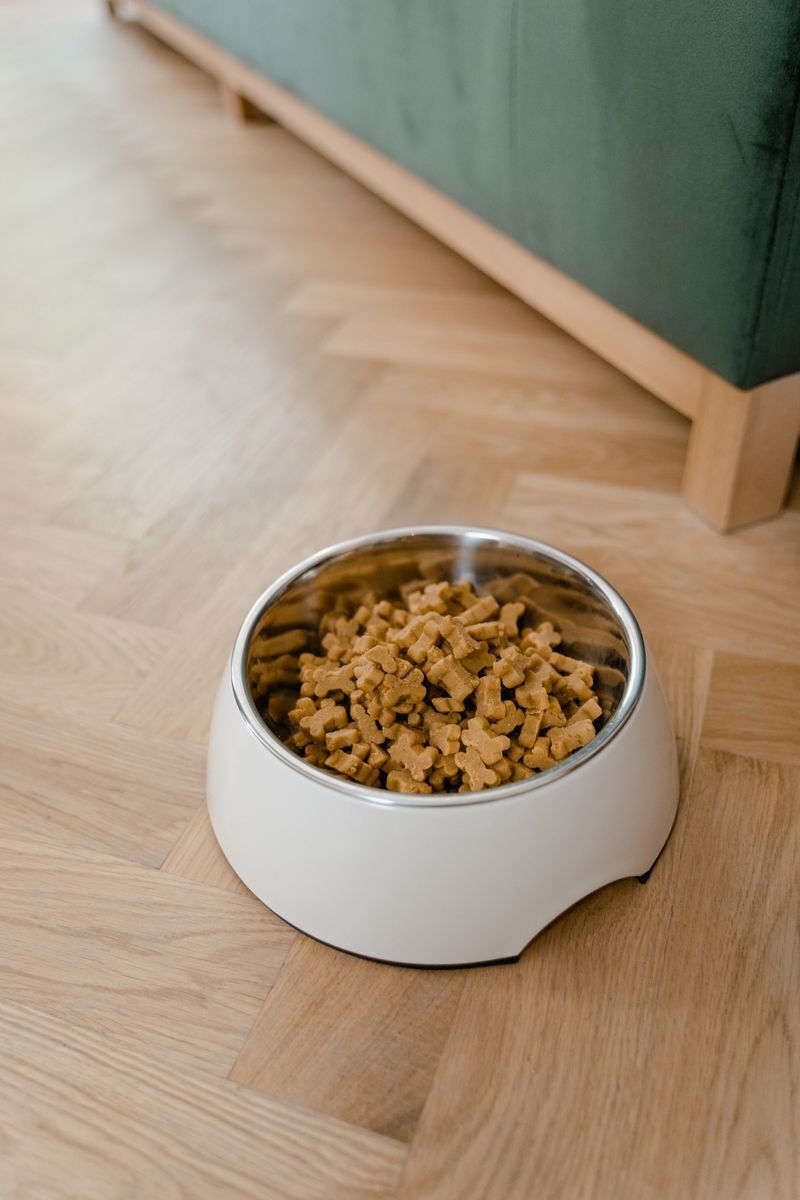
* On the first day, combine 90% old food with 10% new food. Use equal parts (by weight) for accuracy.
* Offer this mixture to your dog with their regular mealtime.
2. Gradually Increase the New Food Ratio
Each day, increase the proportion of the new food slightly.
* Day 2: 80% old + 20% new
* Day 3: 70% old + 30% new
* Day 4: 60% old + 40% new
* Day 5: 50% old + 50% new
* Day 6: 40% old + 60% new
* Day 7: 30% old + 70% new
* Day 8: 20% old + 80% new
* Day 9: 10% old + 90% new
* Day 10: Full switch to 100% new food.
3. Monitor Closely During the Transition
This isn’t just a schedule; it’s a time for observation. Watch your dog carefully for any changes in:
- Appetite: Is their interest in food consistent? Are they finishing their meals?
- Digestion: Are their stools normal in colour, shape, and frequency? Watch for softness, diarrhea, or vomiting.
- Energy Levels: Notice any changes in their overall mood and activity.
- Skin and Coat: Keep an eye out for any changes, especially if switching for allergies.
4. Finalizing the Switch
Once your dog is comfortably eating the new food (usually after several days of consistent 100% new food with no signs of distress), you can confidently keep them on their new Vancouver-approved diet.
Troubleshooting Common Issues
Even with a gradual transition, things might not go perfectly. Here’s how to handle common problems:
Issue: Soft or Loose Stools
- Response: This is often normal during transition as their digestive system adjusts. Stick to the schedule and monitor. If it persists or worsens after the transition is complete, contact your vet.
Issue: Diarrhea or Vomiting
- Response: Pause the transition immediately. Stick with the previous ratio (e.g., if they had 50/50 and now it’s worse, revert to 50/50 or lower). If symptoms are severe, consult your vet promptly.
Issue: Refusing the New Food
- Response: Ensure the food is fresh and at a comfortable temperature. Try warming it slightly (check the packaging first, as some foods shouldn’t be heated). Offer small, frequent meals. If they still refuse, don’t force it. Revisit the transition schedule or try a different approach. Sometimes, dogs need more time. If they continue to refuse after the transition period, consult your vet.
Issue: Allergic Reactions
- Response: While gradual transition helps identify sensitivities, true food allergies might not show up until the food is fully introduced. If you notice persistent scratching, ear infections, or other signs of allergy, work with your vet to identify specific ingredients.
Important Considerations for Vancouver Dog Owners
Living in Vancouver means enjoying the great outdoors, from Stanley Park to your local park. A stable digestive system means fewer bathroom breaks with your dog feeling under the weather. Remember:
- Hydration is Key: Ensure fresh water is always available, especially during any digestive changes.
- Consult Your Vet: Before making any significant dietary changes, especially if your dog has underlying health conditions, consult your veterinarian. They can provide personalized advice and recommend suitable food options.
- Listen to Your Dog: Pay attention to your dog’s individual response. Every dog is different, and what works perfectly for one might not suit another.
- Keep Old Food: Having the old food available during the transition period (and perhaps kept on hand for a short while afterwards) can be crucial if digestive upset occurs.
Switching dog food doesn’t have to be stressful for you or your dog. By following a gradual approach and monitoring closely, you can safely introduce a new food that might better suit your Vancouver companion’s needs, ensuring they remain happy, healthy, and wagging their tail right here in our great city.
If you’re concerned about your dog’s diet or have questions about finding the right food, don’t hesitate to consult your local Vancouver veterinarian. They are the best resource for personalized dietary advice for your furry family member.