In this story
Why Crate Training Can Be a Lifesaver for Most Dogs in Vancouver
As a proud Vancouver dog owner, you’re already doing great things for our city’s furry residents. But have you considered the benefits of crate training? While it might sound a bit confining to some, this practice offers surprising advantages for most dogs, helping with everything from house-training successes to creating a safe space in our bustling city environment.
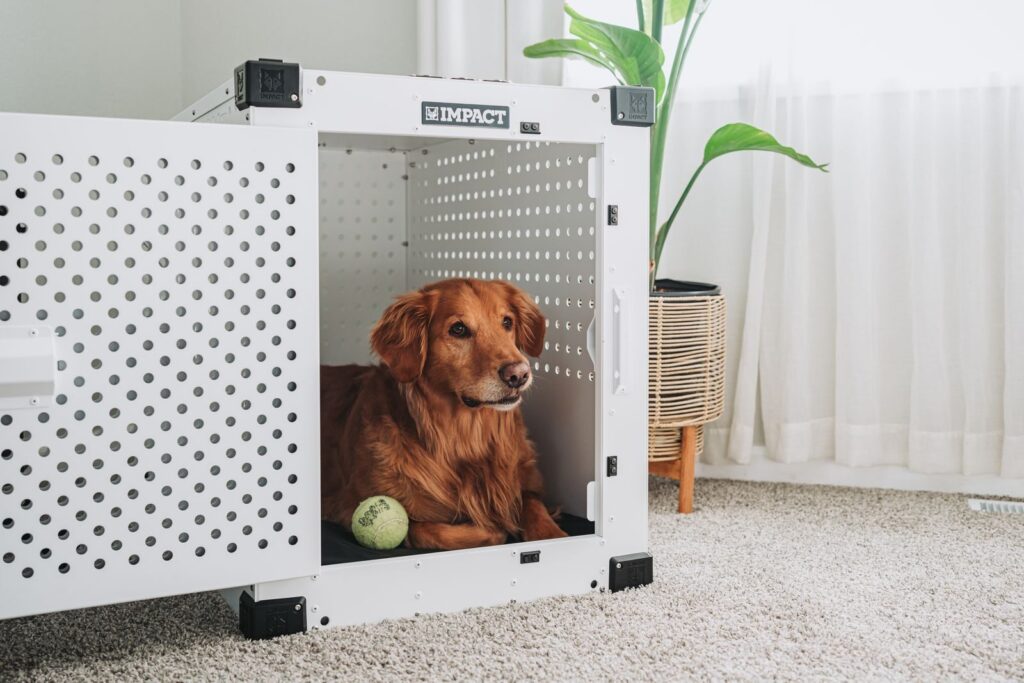
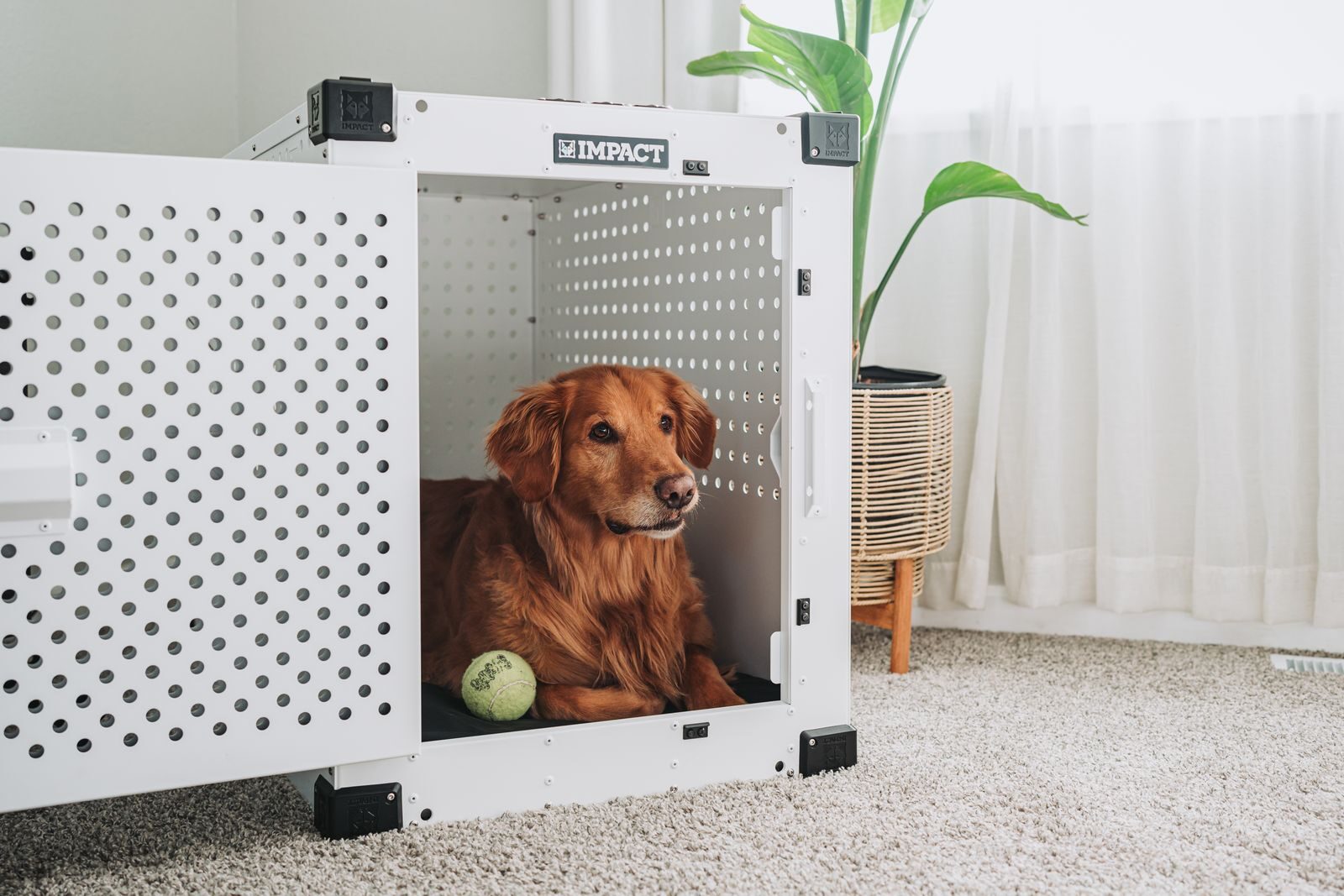
Crate training isn’t about locking your best friend in a prison—it’s about providing a den-like, secure area that many dogs naturally gravitate towards. Think of it as offering your dog their own cozy, private space within your home, much like wildlife might seek out dens for comfort and safety.
The Surprising Benefits of Crate Training
1. A Safe Haven in the City
Living in Vancouver means navigating beautiful parks, busy streets, and unique urban landscapes. Crate training provides your dog with a secure indoor space that can be essential during thunderstorms, fireworks (yes, even in the city!), or unexpected visitors. It’s a tool for creating a calm, predictable environment, which can be particularly helpful during those unpredictable city moments.
2. Mastering House-Training
For many Vancouver dog owners, potty training is a top priority. Crate training is perhaps one of the most valuable tools in your house-training arsenal. Dogs are naturally clean creatures and generally prefer not to soil their sleeping area.
- Keeps accidents contained: When crated properly (before an accident happens!), any elimination needs are addressed separately.
- Teaches bladder control: A properly introduced crate allows your dog to learn where it’s okay to relax and hold it until you can take them outside.
- Positive reinforcement: You can use the crate time as part of a positive routine, reinforcing good bathroom habits outside.
3. Preventing Anxiety and Destructive Behaviours
Have you ever noticed your dog getting anxious when you leave the room, or seen evidence of chewing while you’re at work? A properly introduced crate can offer a haven during these times.
- Reduces separation anxiety: A familiar, positive crate can help ease the stress of being left alone.
- Prevents destructive chewing: If your dog is confined to a crate during unsupervised times, they’re far less likely to chew on baseboards or rip into furniture.
- Provides a quiet space: It offers a peaceful retreat during noisy events like construction (common near transit hubs) or busy street festivals.
4. Protecting Your Home and Your Dog
Vancouver homes can get cozy, and sometimes tempting things (like the garbage bag or a stray slipper) appear. A crate can be a simple way to prevent accidents or ingestion of things you’d rather not.
- Keeps curious noses busy: A properly introduced crate isn’t boring; it’s their safe space. Make it cozy with blankets and maybe one of those small, Canadian-made dog beds.
- Creates a designated area: It helps define specific zones for sleeping, eating, and relaxing, which can simplify multi-pet households or managing young children.
Addressing Common Concerns
Before you grab a carrier and start introducing your dog to a new space, let’s tackle some common worries:
“My dog will feel trapped!”
A properly introduced crate should feel like a refuge, not a prison. Introduce it positively from a young age (or as early as possible if you’re adopting an adult). Start with short sessions, making it a positive place with treats, toys, and calm times.
“I don’t want to confine my dog!”
The goal isn’t indefinite confinement. The crate should be used strategically: during busy times at home, when you need a moment to yourself, or during potential stressors. Always allow supervised exits.
“My dog gets anxious in the crate.”
This is a valid concern. If your dog shows signs of fear (whining, trying to escape, excessive panting), the crate might not be right for them, or the introduction needs reworking. Consult with a positive reinforcement trainer or a certified animal behaviour consultant (there are many knowledgeable professionals in the Vancouver area) if you’re concerned.
Practical Tips for Vancouver Dog Owners
- Start Slow: Introduce the crate as a positive space first. Put treats and toys inside. Keep sessions short initially.
- Keep it Clean: A clean, well-maintained crate is key to positive associations.
- Be Patient: Like all training, crate training takes time and consistency. Don’t rush it.
- Never Use the Crate as Punishment: The crate should always be a happy place.
- Combine with Other Training: Use crate time as part of your house-training routine. Take them out regularly, especially after meals and naps.
- Check on Your Dog: Briefly check in during crate time to reassure them and prevent boredom, but avoid making a big deal of it.
- Consider the Size: Ensure the crate is the right size – big enough for your dog to stand up, turn around, and lie down comfortably, but not so large that they can use one end as a bathroom.
Wrapping Up: A Tool for Many Benefits
Crate training isn’t a one-size-fits-all solution, but for the vast majority of dogs, when introduced correctly, it offers significant advantages. From aiding house-training and providing a safe space to potentially reducing anxiety, it can be an incredibly valuable tool for Vancouver dog owners navigating our unique city lifestyle.
Remember, the focus should always be on positive reinforcement, patience, and ensuring the crate feels like a welcoming, den-like space for your best friend. If you have specific concerns or questions about crate training for your dog, exploring resources like local pet groups or positive training methods can be very beneficial for you and your furry companion in the Lower Mainland.
Related posts:
 Crate Training: Your Mississauga Dog’s Secret to Comfort
 Why Crate Training Helps Most Dogs in Toronto
 Why Vancouver Doggy Mental Exercise is the Best Kind of Exercise
 Understanding Why Dogs Dig and How to Manage It in Vancouver
 Understanding Why Dogs Jump Up and Gentle Ways to Manage It in Vancouver