In this story
Understanding Why Dogs Dig… and How to Manage It in Vancouver
It’s a common sight across Vancouver: a well-meaning dog owner frantically calling their pet back from a freshly-turned patch in Stanley Park, or a homeowner looking worriedly at a flowerbed they know was perfect this morning. Digging is one of the oldest, most primal dog behaviors, and while it’s natural, it can be problematic for both pets and property owners in our city’s unique environment.
Whether your dog is excavating flower beds, creating elaborate burrows near the seawall, or just trying to bury a treasure they found on Granville Island, understanding why they dig is the first step to managing this behavior effectively and humanely.
Why Does My Dog Feel the Need to Dig?
Digging is an instinctive behavior rooted in a dog’s evolutionary past. While we often associate digging with terriers chasing rodents, it’s a trait shared across many breeds. Here are the most common reasons why dogs dig:
1. Natural Instincts
Dogs are descendants of wolves, and digging was essential for survival. They dug dens for protection, buried food for later, and created burrows to feel safe. This instinct is still very much alive in most dogs today.
2. Boredom and Lack of Stimulation
Perhaps the most common modern reason for excessive digging is boredom. If your dog isn’t getting enough physical exercise or mental stimulation, digging can become a way to pass the time. Vancouver’s beautiful parks and green spaces are great for exercise, but structured activities are still needed.
3. Anxiety or Stress
Digging can also be a response to anxiety or stress. This is often called ‘compulsive digging’ or ‘stress-related digging.’ Dogs may dig when they’re anxious about something, trying to dig a tunnel to safety, or attempting to bury the source of their anxiety (like the feeling of being alone). This is more common in dogs with separation anxiety.
4. Temperature Regulation
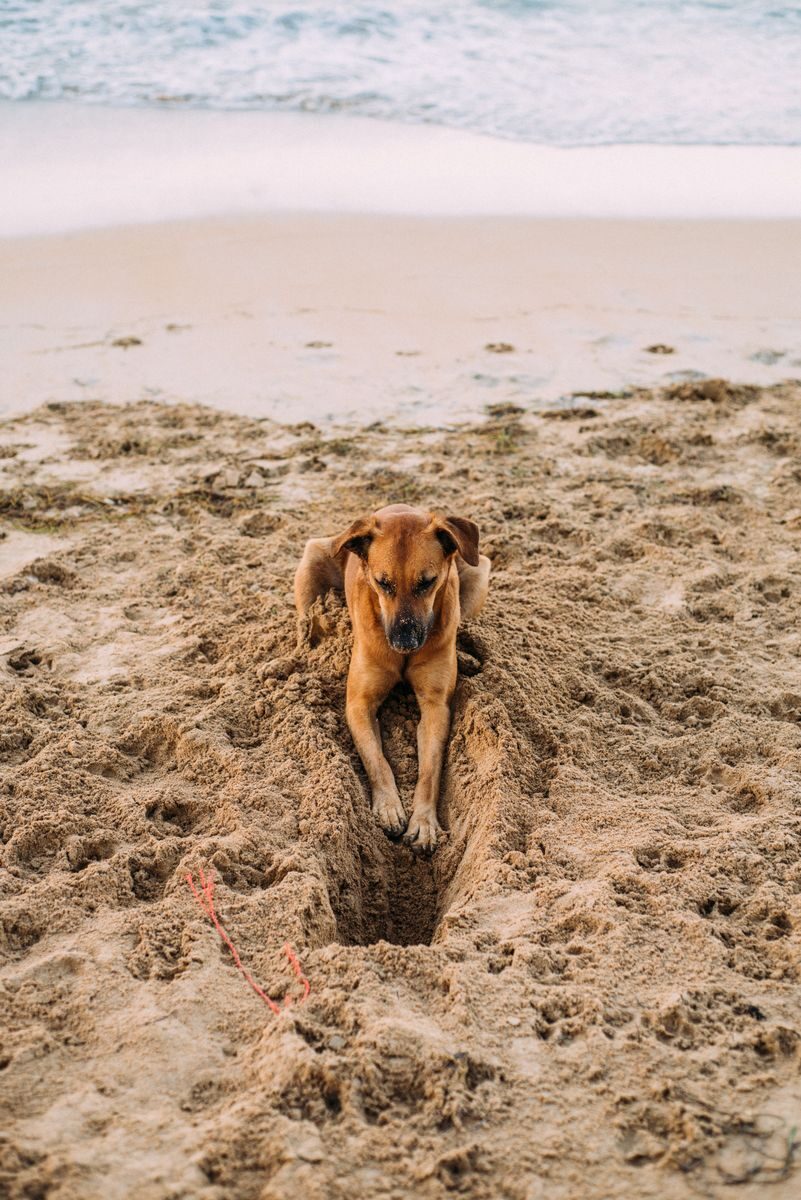
Dogs don’t sweat like humans do, so they dig to create a cooler spot in Vancouver’s sometimes humid summer weather. They might dig shallow depressions to lie in and stay cool.
5. Fun and Investigation
Simply put, digging is fun! Dogs are natural explorers. They might dig to investigate something they can’t reach, bury their toys, or just enjoy the tactile sensation of loosening soil. They might even dig on command during training sessions, making it a game.
Redirecting Digging Behavior in Vancouver
The key to managing digging isn’t necessarily to stop it completely (unless it’s destructive digging), but rather to redirect it appropriately and address the underlying cause. Punishment is rarely effective and can damage your relationship with your dog.
Provide Appropriate Digging Zones
If you want to accommodate your dog’s natural urge, provide a designated digging area:
- Designated Digging Area: Create a specific spot in your yard (if you have one) where digging is encouraged. Use a sandbox or simply a patch of soil. You can line it with a durable tarp or cover it with sand if you prefer.
- Positive Reinforcement: When your dog digs in the designated area, praise them enthusiastically. Use high-value treats to lure them there initially.
Increase Exercise and Mental Stimulation
If boredom is the issue, more exercise and playtime can help.
- Long Walks: Ensure your dog gets plenty of physical activity. Vancouver offers endless options from Stanley Park to False Creek.
- Mental Games: Puzzle toys, snuffle mats, and training sessions can tire out their minds.
- Enrichment: Visit different parks or consider dog sports like agility or flyball to keep things interesting.
Address Anxiety
If digging seems linked to anxiety, consult your vet or a certified Vancouver animal behaviorist.
- Rule Out Medical Issues: Sometimes anxiety can stem from medical problems. A vet visit is the first step.
- Gradual Desensitization: If it’s separation anxiety-related, work on gradually increasing the time your dog is left alone.
- Professional Help: A qualified trainer or behaviorist can provide tailored strategies.
Supervise and Redirect
When you catch your dog digging inappropriately:
- Block Access: Use a gate to prevent access to flower beds or gardens.
- Ignore: Don’t react if they start digging somewhere they shouldn’t be – attention can sometimes reinforce the behavior.
- Offer Alternatives: Redirect them to their designated digging area or offer a toy.
Use Physical Barriers
For areas you don’t want digging to occur:
- Chicken Wire: Bury chicken wire a few inches under the soil and cover it with mulch or grass. Digging will weaken the wire but won’t penetrate it.
- Deterrents: Products like bitter apple spray or motion-activated sprinklers can deter digging. Ensure any deterrent is pet-safe.
Training and Management in Vancouver’s Public Spaces
While we focus on managing digging at home, it’s also important to be considerate to others:
- Keep Your Dog Leashed: In public areas like Stanley Park or the Stanley Street Mall, keep your dog on a leash to prevent them from digging inappropriately.
- Clean Up: If your dog does dig up something, clean it up promptly to avoid creating a mess or encouraging further digging.
Digging in the Sand: A Vancouver Specific Note
Our city’s beaches and sandy areas like Kits Beach or Jericho Beach offer unique opportunities for digging. While it’s natural for dogs to play in the sand, be mindful:
- Sand Can Irritate: Too much sand can irritate paws and potentially cause infections between toes (“paw burn”). Rinse paws after walks.
- Check for Marine Life: If you see something dug up that looks like starfish, shell, or small fish, it might be part of the ecosystem or litter. Ensure you’re respecting marine life.
Conclusion: Embrace the Natural Dog
Digging is a natural behavior for dogs, deeply ingrained in their DNA. While it’s great to understand the “why” behind it, often the best approach in Vancouver is to redirect rather than eliminate. By providing appropriate outlets, ensuring sufficient exercise and mental stimulation, and addressing any underlying anxieties, you can help your dog satisfy their digging instincts in a way that’s good for everyone involved. So the next time your dog starts digging, take a breath, understand their needs, and maybe even embrace a little of their primal nature.