In this story
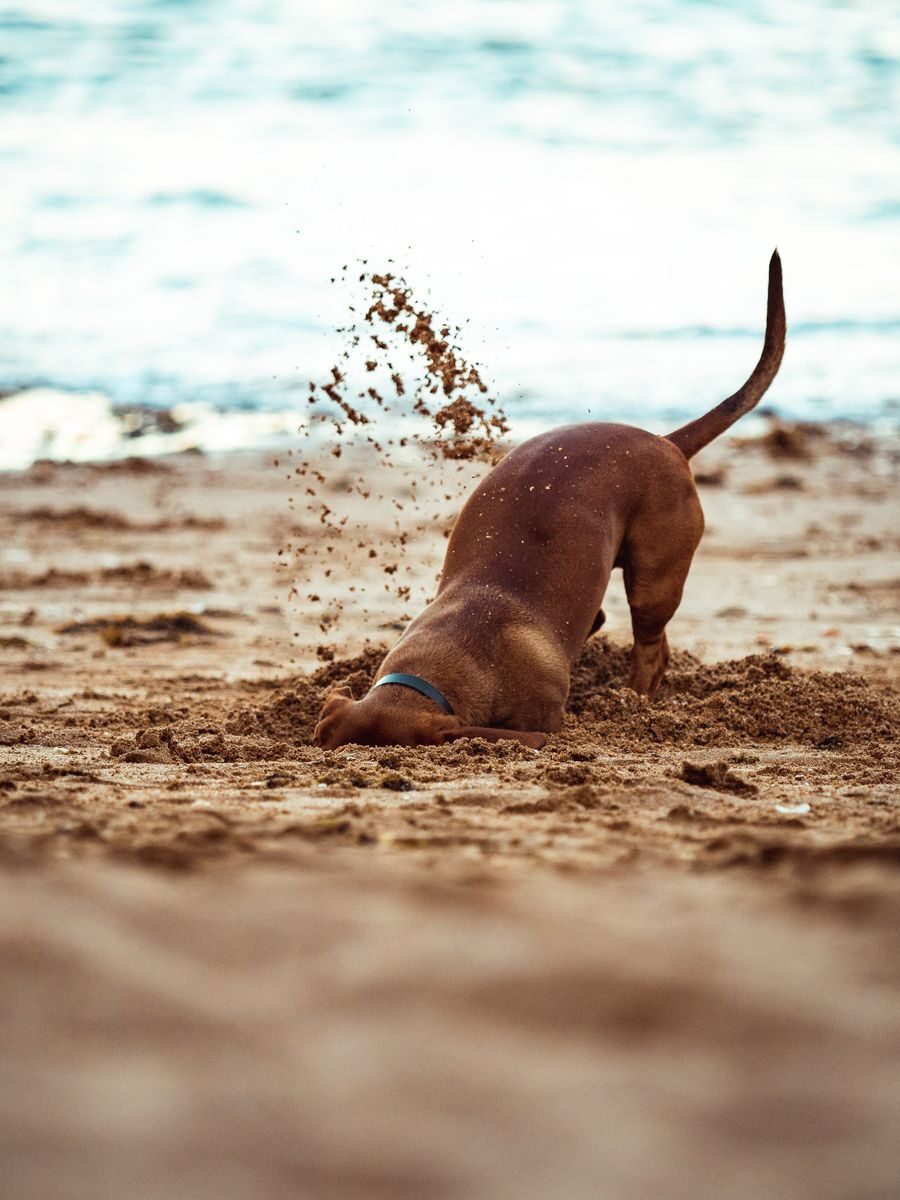
Why Dogs Dig: Understanding Furry Archaeologists
There’s a truth every Edmonton dog owner eventually uncovers: dogs dig. It’s a behavior as fundamental to canine existence as barking or chasing squirrels. Whether it’s excavating a flower bed in your backyard, creating a tunnel system under the patio, or investigating buried treasures near the river valley, digging is a powerful urge for many of our four-legged friends.
As dog owners in Edmonton, you’re likely familiar with the frustration of finding favourite shoes gone missing, garden gnome dramas, or simply the general mess that can accompany enthusiastic excavation. But before you grab the scooper or the hose, take a moment to understand the roots of this ancient behavior. Understanding why your dog digs is the first step towards managing it effectively and humanely.
The Instinctual Imperative: Digging’s Evolutionary Roots
Digging is not just a pastime; it’s an instinct honed over thousands of years of evolution. Our canine companions are descendants of wolves who relied on digging for survival:
- Hunting: Digging was essential for hunting prey. Dogs would dig to flush out rodents, rabbits, or to unearth grubs and insects. Their snouts are natural excavation tools, and the effort expended mimics the energy used in a hunt.
- Foraging: Wild canids searched for buried food caches or edible plants. This foraging instinct persists, leading dogs to sniff out and dig up anything hidden underground.
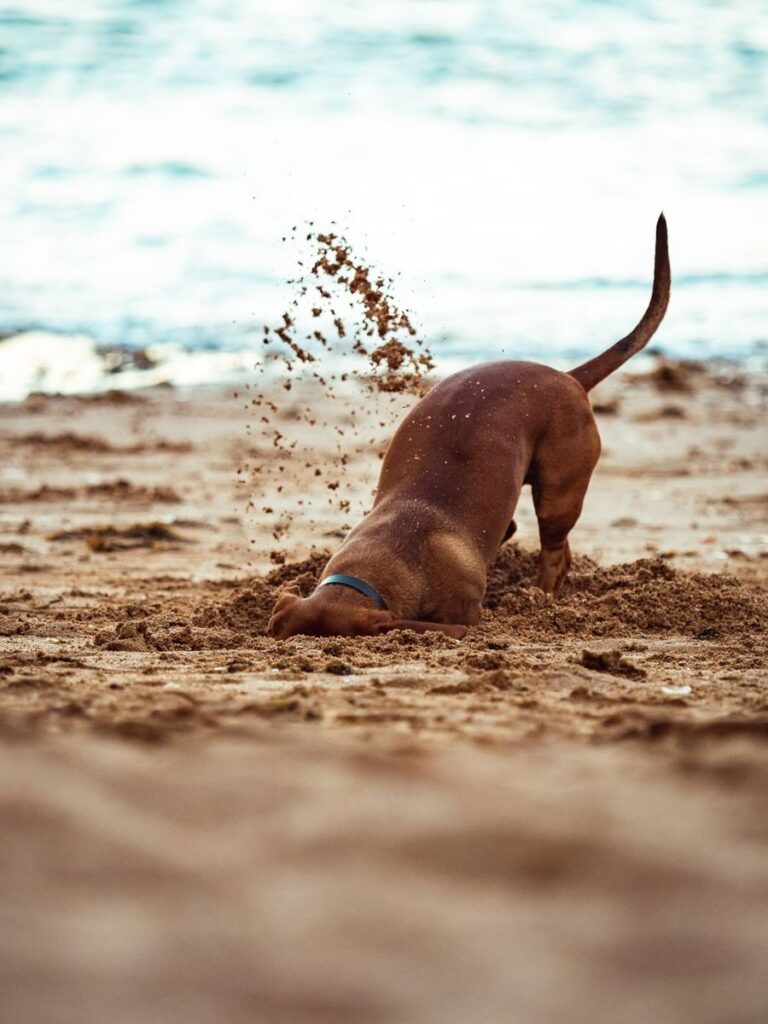
- Thermoregulation: Digging provides a natural way to cool down. Loose, sandy soil or even compacted dirt in Edmonton’s yards allows dogs to create burrows where they can lie and pant effectively. This is especially common on hot Edmonton summer days.
- Predation & Fear: The urge to dig can also stem from prey drive or fear. Dogs may dig to investigate something they perceive as hidden (a hidden toy, another animal’s bed) or to create a perceived safe spot away from perceived threats.
Edmonton-Specific Triggers: What Sets Your Dog Off?
While the instinct is universal, certain Edmonton environments and circumstances can amplify digging behavior:
- Park Exploration: Edmonton’s vast network of parks, including Stanley Park and the river valley pathways, offer endless opportunities for dogs to encounter buried items. Squirrels digging, hidden treats dropped by other walkers, or simply the texture of different soils can spark a digging frenzy.
- Gardening Season: As spring arrives in Edmonton, flower beds, vegetable gardens, and even lawns become prime digging targets for curious noses.
- New Senses: Smell is a dog’s primary sense. Edmonton’s outdoor spaces, with their diverse flora and fauna, offer a rich olfactory tapestry. Digging helps dogs process and understand these complex scents.
- Boredom and Lack of Stimulation: A dog left alone in the yard for long periods or without sufficient mental and physical exercise may dig out of boredom. Edmonton’s active lifestyle means many dogs need structured activities.
- Excitement and Play: Sometimes, digging is simply part of play. A dog might dig to bury a toy or to dig alongside you in the backyard during a fun Edmonton afternoon.
Common Digging Scenarios in Edmonton
You might find your dog digging for various reasons:
- Vertical Digging: Creating mounds near bushes, flower beds, or under decks. Often linked to foraging, scent investigation, or marking territory.
- Horizontal Tunneling: Digging directly under fences or decks. This often indicates a desire to escape, access forbidden areas (like the garage or another yard), or simply to create a longer path.
- Deep Hole Creation: Focused digging resulting in a deep hole. Could be for caching treasures, investigating buried objects, or thermoregulation.
H3: So, How Do You Stop a Dog from Digging? (Or, Managing, Not Eliminating)
The goal isn’t necessarily to stop a dog from digging entirely, as it’s often a natural behavior. Instead, focus on management and redirection. Punishment is rarely effective and can damage your bond. Here are practical Edmonton-specific strategies:
H3: 1. Understand and Accept the Instinct
The first step is acknowledging that digging is natural. Trying to completely eliminate it might be unrealistic and frustrating. Accepting the behavior makes finding humane solutions easier.
H3: 2. Provide Designated Digging Zones
Redirect digging to appropriate areas.
- Designated Digging Bank: Create a specific spot in your yard, perhaps lined with rocks or covered with a tarp when not in use, where digging is encouraged.
- Use of Barriers: Install temporary or permanent barriers (like chicken wire buried slightly below ground and covered with mulch) in areas you want to protect.
- Digging A-Go-Go Containers: Products designed to be dug into (like large plastic containers buried at ground level) provide an acceptable outlet.
H3: 3. Tire Them Out Physically
A well-exercised dog is less likely to dig out of boredom or excess energy.
- Abundant Playtime: Edmonton offers many opportunities for walks, runs, and playdates. Ensure your dog gets plenty of physical activity.
- Mental Stimulation: Puzzle toys, snuffle mats, and training sessions tire dogs mentally, reducing the urge to dig out of boredom.
H3: 4. Manage the Environment
Reduce opportunities and triggers for digging.
- Secure Trash and Valuables: Burying trash or small valuables can trigger digging – keep them secured indoors.
- Keep Valuables Outdoors: Don’t bury toys or treats if you don’t want them dug up.
- Address Fences: If escape digging is the issue, consider reinforcing fences or using deterrents.
- Garden Wisely: Use materials like raised garden beds, ground cover, or deterrents (coffee grounds, crushed banana peels – check Edmonton-specific recommendations) in areas you want to protect.
H3: 5. Redirect and Reward Appropriate Behavior
When you catch your dog digging:
- Ignore: Often, ignore the digging unless it’s destructive or dangerous. Your attention can be a reward.
- Say “No” Gently: A soft “No” or “Stop” can sometimes work, but avoid harsh scolding.
- Offer Alternatives: Redirect them to the designated digging spot. If they comply, reward generously.
- Positive Reinforcement: Use training treats or praise when your dog engages in appropriate digging or refrains from digging in forbidden areas.
H3: 6. Check for Underlying Issues
If digging suddenly increases or is accompanied by other changes in behavior:
- Fear or Anxiety: Digging can sometimes be linked to anxiety. Provide a safe, quiet space (like a crate or a small, enclosed porch) and consider consulting an Edmonton vet or a certified Edmonton animal behaviorist if anxiety is suspected.
- Separation Anxiety: If digging occurs when you’re away, it could be related to separation anxiety. Professional help from a Edmonton vet or a dog trainer experienced with separation issues is advisable.
H3: 7. Edmonton-Specific Considerations
- Public Spaces: Remember that digging in Edmonton’s public parks is generally discouraged and can damage infrastructure or private property. Always clean up after your dog and follow park rules.
- Local Resources: Edmonton has many small, independent pet supply stores and natural health shops (like those in the Downtown Core or at the West Edmonton Mall) that may carry humane digging deterrents or enrichment products.
H3: Digging: A Natural Trait, a Manageable Trait
From ancient hunters to modern Edmonton companions, the urge to dig is ingrained. While frustrating at times, understanding the “why” behind your dog’s excavation projects can transform your approach from frustration to acceptance and management. By providing appropriate outlets, managing the environment, and ensuring your dog is happy and stimulated, you can help your furry archaeologist enjoy their hobby without turning your yard into the next archaeological dig site.
Patience and consistency are key. Celebrate small victories, and enjoy the unique personality your dog brings to your Edmonton home.