In this story
Why Socialization Matters at Every Age: A Guide for Vancouver Dog Owners
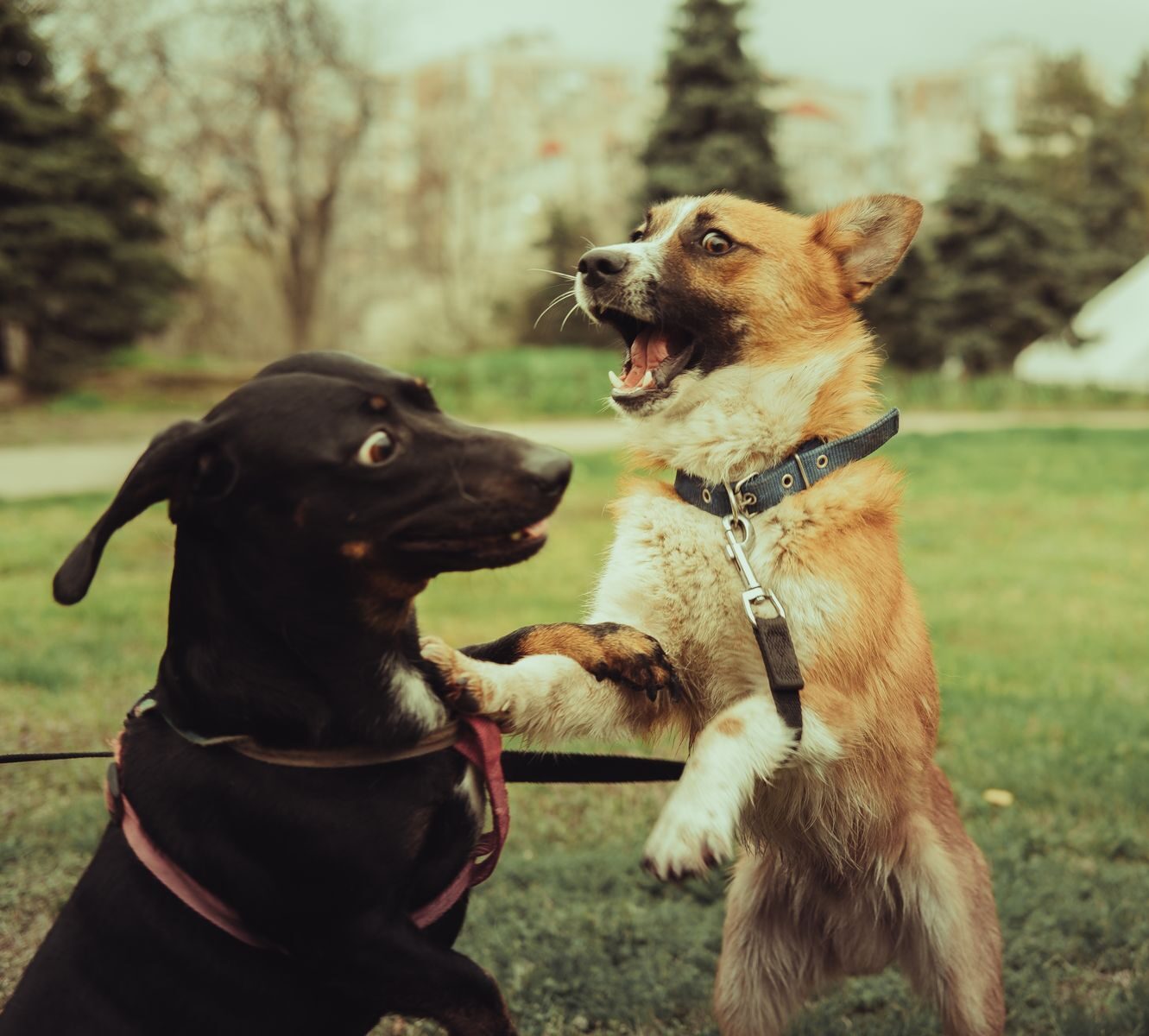
As a proud Vancouver dog owner, you understand that our furry companions bring immense joy and companionship. Our city’s parks, from Stanley Park to Granville Island’s green spaces, offer fantastic opportunities for outdoor adventures. But beyond the fun walks and playdates, there’s a crucial foundation for a well-adjusted canine companion: socialization. Many people think of puppyhood as the prime time for socializing their dog, and while that’s incredibly important, understanding that socialization is a lifelong process benefiting dogs of all ages is key to raising a confident, relaxed, and safe member of the Vancouver community.
More Than Just Puppy Playdates
Think of socialization as your dog’s essential social skills class. It’s about learning how to interact appropriately with other dogs, people (especially children and unfamiliar individuals), and various environments. Positive exposure helps your dog learn what’s okay to investigate, what’s okay to be wary of, and how to communicate effectively. In Vancouver’s diverse and active setting, good social skills mean smoother walks, fewer fearful reactions to new sights and sounds, and more harmonious interactions in public spaces.
The Golden Early Window: Puppy Socialization
It’s true that the early months of a puppy’s life are a critical period for learning. Puppies have high neural plasticity, meaning their brains are incredibly receptive to new experiences. During this time, exposure to a wide range of sights, sounds, textures, people, and other gentle, well-behaved dogs (especially between 3 and 14 weeks of age) helps shape their developing temperament.
- Vancouver Opportunities: Utilize Vancouver’s numerous parks, consider reputable puppy socialization classes offered through local humane societies or community centers, and arrange playdates with vaccinated, friendly friends’ puppies.
- Focus on Positives: Ensure all interactions are positive, supervised, and end on a good note (with treats or praise). Avoid overwhelming your puppy or forcing interactions.
- Exposure Variety: Introduce different environments (quiet streets, busy parks, homes with different layouts), various people (children, older adults, people in wheelchairs, wearing different clothing), and gentle handling.
Lifelong Learners: Socializing Adult and Senior Dogs
But the journey doesn’t stop when puppyhood ends. Adult and senior dogs absolutely benefit from ongoing socialization. Life changes, new environments arise, and even previously well-socialized dogs can encounter situations that trigger anxiety if not properly managed.
Why Adults Need Socialization Too
- Adapting to Change: Moving to a new home, changing routines, or even seasonal changes can be stressful. Controlled exposure can help your adult dog adjust.
- Revisiting Comfort Zones: A dog that was once comfortable in a busy downtown park might need a refresher if there’s construction or a new event nearby.
- Managing Anxiety: Fear-based reactivity (barking at passersby, guarding resources) can sometimes be mitigated through careful, positive exposure and counter-conditioning.
- Strengthening Bonds: Socialization with people reinforces trust and strengthens your bond.
Tailoring Socialization for Mature Dogs
Working with adult or senior dogs requires a gentler touch:
- Controlled Environments: Start with low-stress settings like quiet off-leash areas or controlled playdates.
- Positive Reinforcement: Use high-value treats, play, or affection to reward calm and relaxed behaviour.
- Respect Boundaries: Pay close attention to body language; if a dog seems stressed, end the interaction and try again later or in a less intense situation.
- Focus on Comfort: The goal isn’t necessarily to turn a nervous senior into a boisterous young dog, but to help them feel safe and comfortable in their world.
Navigating Vancouver’s Social Landscape
Living in a city like Vancouver provides unique opportunities and challenges for socialization:
Embracing Vancouver’s Parks
Our city boasts incredible green spaces. Stanley Park, Queen Elizabeth Park, and the numerous neighborhood parks are fantastic venues for positive socialization.
- Off-Leash Areas: When using designated off-leash zones (like those in Stanley Park), ensure your dog is reliably polite (e.g., okay with leash restraints) and that interactions are positive. Always clean up after your dog.
- Busy vs. Quiet: Offer variety – sometimes a bustling park near False Creek is perfect, other times a quieter, less populated area like a neighbourhood green space is needed.
Beyond the Leash: Public Interactions
- Friendly Strangers: Encourage calm, curious, but not overly excited, greetings to people. Teach basic commands like ‘leave it’ or ‘okay’ can be helpful.
- Vancouver-specific Exposures: Get used to the city sounds – construction, sirens, the bustle of Granville Street – gradually if needed.
The Importance of Positive Reinforcement
Regardless of your dog’s age, the how is just as important as the what. Fearful experiences can be cemented and potentially worse if associated with negative emotions. Always aim for positive reinforcement:
- Use High-Value Rewards: Food treats, favourite toys, or enthusiastic praise.
- Manage Expectations: Not every interaction will be perfect; some dogs are naturally more cautious. Patience is key.
- Keep Sessions Short: Especially for dogs learning or dealing with anxiety, brief, positive experiences are better than long, stressful ones.
- Seek Professional Help if Needed: If your dog’s fear or reactivity is severe, a Vancouver-based certified positive reinforcement trainer or animal behaviorist can provide tailored guidance.
The Ripple Effect: A Well-Socialized Dog Benefits Everyone
A well-socialized dog isn’t just less likely to be anxious or reactive; it’s also easier to manage, more likely to get adopted, and contributes positively to the community. Responsible socialization reduces the need for re-homing due to behavioral issues and fosters positive interactions in places like pet-friendly cafes, dog parks, and events across Vancouver.
Wrapping Up: Socialization for a Lifetime of Happiness
Socialization is a vital, ongoing aspect of dog ownership in beautiful Vancouver. It’s not just about making friends; it’s about building confidence, reducing fear, and ensuring your best friend can navigate the world comfortably and appropriately. By understanding that socialization is a lifelong journey, you’re investing in a happier, healthier, and more harmonious relationship with your dog, enriching both their life and yours within our wonderful city.
Remember: Every dog is an individual with their own pace. Be patient, be positive, and seek professional advice if you’re concerned about your dog’s social development.
Related posts:
 Why Socialization Matters for Your Montreal Dog at Every Age
 Understanding Why Dogs Dig and How to Manage It in Vancouver
 The Social Butterfly: Why Your Winnipeg Dog Needs Friends at Every Age
 Why Crate Training Can Be a Lifesaver for Most Dogs in Vancouver
 Early Steps to Manage Your Dog’s Resource Guarding in Vancouver