In this story
Why Socialization Matters for Your Montreal Dog at Every Age
As proud Montreal pet parents, we know our dogs are more than just furry family members – they’re integral parts of our bilingual city life. But have you ever stopped to consider how crucial socialization is for your dog beyond puppyhood? While the golden weeks for puppy socialization are well-documented, the reality is that socialization is an ongoing process that benefits dogs of all ages.
Think of it like learning for humans – we’re constantly interacting, adapting, and growing. Our dogs are no different. Proper socialization helps them navigate the bustling sidewalks of Montreal, the cozy cafes, and everything in between with confidence and grace. It shapes their personality, reduces anxiety, and prevents potential problems down the road.
In a city as vibrant as Montreal, where dogs can be seen enjoying parcs, patios, and public transport (under strict supervision, of course!), understanding the importance of socialization at every age ensures your best friend can thrive. Let’s dive into why ongoing socialization is non-negotiable for dogs young and old.
Beyond the First Few Months: Lifelong Social Learners
While puppies between 3 and 14 weeks are particularly receptive to socialization, this doesn’t mean the learning stops there. Dogs are constantly observing and interacting with their environment throughout their lives. Here’s why ongoing socialization is essential:
1. Maintaining Composure in a Bustling City
Montreal’s charm includes its lively streets, narrow alleys, and public gatherings. From navigating Parc Jean-Drapeau to walking through Old Montreal, your dog needs to feel comfortable in various environments.
- Varied Environments: Regularly exposing your dog to different sights, sounds, smells, and textures (like construction sites, busy intersections, or quiet library corners) helps them remain calm and curious.
- Public Spaces: Familiarity with places like Parc Maisonneuve or Jean-Talon Market reduces fear-based reactivity and makes visits more enjoyable for everyone.
2. Adapting to Changes
Life in Montreal brings unexpected changes – a new neighbor, a delivery person, a stranger at the pet store, or even a change in routine. Socially mature dogs are better equipped to handle these transitions calmly.
- New People: Comfort around diverse people (all ages, various ethnicities, different clothing) prevents anxiety during everyday encounters.
- Other Animals: Whether it’s a squirrel darting across the road or another dog at the dog park, continued exposure helps them respond appropriately.
- Home Changes: Even a simple rearrangement or the presence of a delivery driver can be less stressful for a well-socialized dog.
3. Preventing Fear-Based Issues
Proper socialization helps prevent problems like fear aggression, anxiety disorders, and reactivity. These issues often stem from negative experiences during critical developmental periods or lack of exposure later on.
- Gradual Exposure: Introducing novel stimuli (like strollers, bikes, specific noises) calmly and positively ensures they learn to associate them with good things.
- Positive Reinforcement: Always reward calm, curious, or appropriately social behavior. This builds confidence.
Socialization by Age Group: Tailoring the Approach
While the core principle remains the same, the how of socialization should evolve as your dog ages.
The Critical Early Stages: Puppies (3-14 Weeks)
This period is absolutely crucial. Puppies are little social butterflies who learn about the world through interaction.
- Controlled Environments: Early exposures should be carefully managed, often starting with trusted friends or family.
- Positive Experiences: Ensure every new encounter is a positive one, filled with praise, treats (small Canadian-made snacks work well!), and play.
- Handling: Gentle handling helps with vet visits, grooming, and being comfortable with touch.
- Milestone: By the end of this period, your puppy should be comfortable with a wide variety of people, sounds, and surfaces.
Adolescence: Navigating the Teen Years (6 Months – 1 Year)
Dogs go through adolescence just like humans! Their social skills can fluctuate.
- Managing Reactions: Some previously positive experiences might become confusing or fear-inducing again. Re-exposure and positive reinforcement are key.
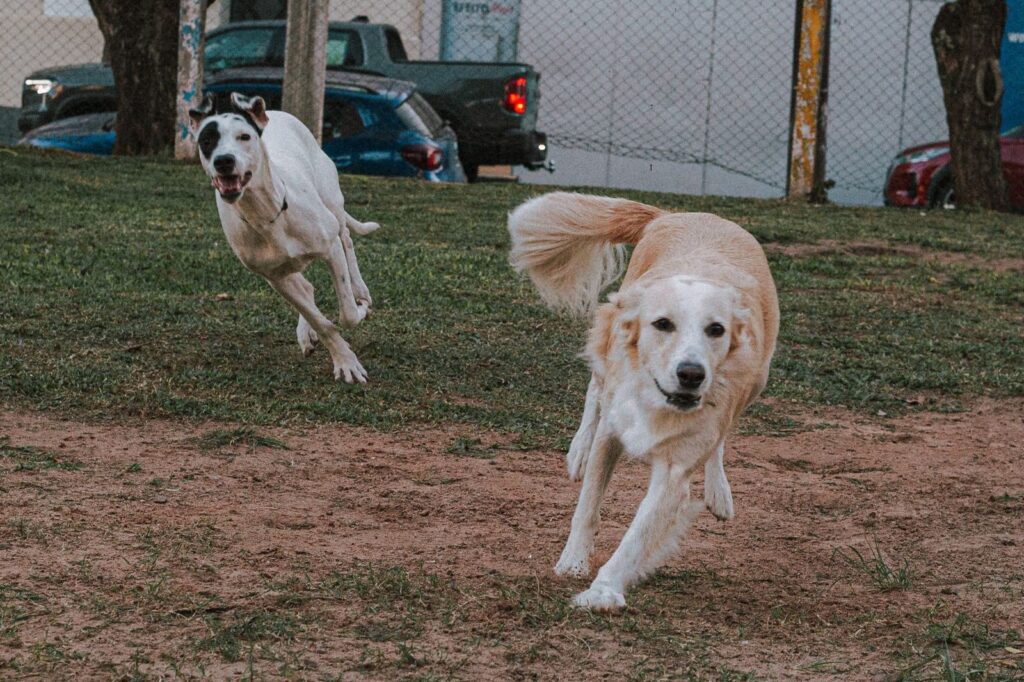
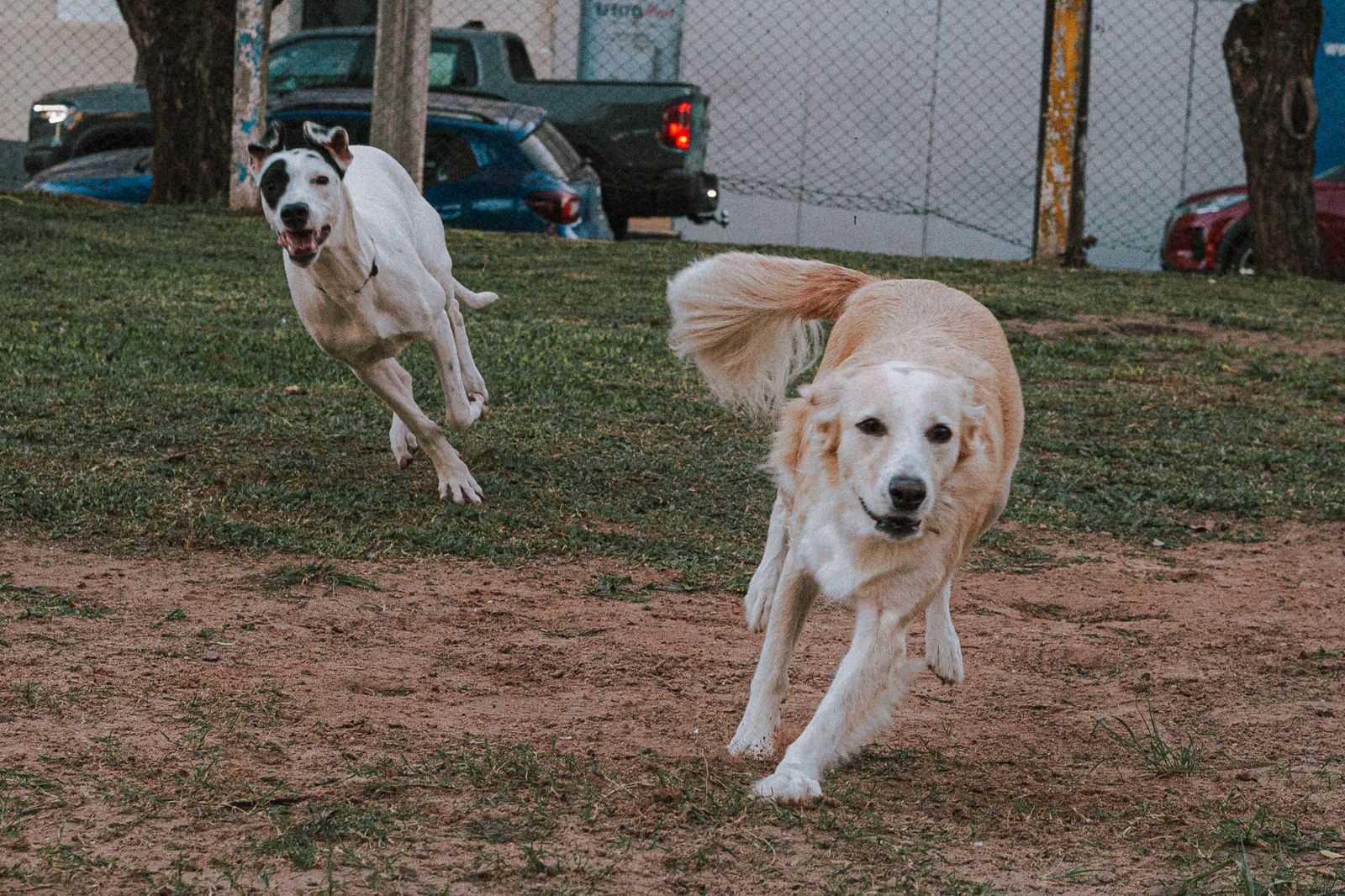
- Peer Interaction: Dog parks or playdates (always supervised initially) help solidify social skills. Montreal’s many green spaces offer great opportunities.
- Setting Boundaries: As they test limits, clear, consistent rules help them understand appropriate social behavior.
Adulthood: Refining Social Skills (1 Year – Prime of Life)
Adult dogs benefit immensely from continued socialization to maintain their skills.
- Variety is Key: Keep introducing your dog to different people, places, and situations. Don’t let them become complacent in familiar surroundings.
- Reinforcing Calmness: Continue rewarding calm and friendly behavior in various settings.
- Managing Resources: Ensure positive interactions with mail carriers, newspaper delivery people, and other regular visitors.
Senior Years: Adapting to Change (7+ Years)
Even older dogs need socialization, though it might look different.
- Slower Pace: Exposures should be gentler, perhaps focusing on favorite spots and trusted interactions.
- Monitoring Well-being: Pay attention to any signs of increased fear or stress. Consult your vet or a trainer if needed.
- Comfort: Ensure their environment remains safe and reassuring, adapting socialization to their changing needs.
Practical Socialization Tips for Montreal Dog Owners
Socialization doesn’t have to be complicated. Here are some everyday ways to enrich your dog’s social world:
**Positive Exposure Techniques
- Desensitization: Gradually introduce new stimuli. For example, if your dog is wary of strollers, start from a distance, then slowly decrease it while rewarding calmness.
- Counter-Conditioning: Pair novel stimuli with highly desirable rewards. If there’s a loud noise you’re concerned about, offer a high-value treat right when it happens.
- One-Step-at-a-Time: Never rush. Go at your dog’s pace.
**Everyday Socialization Activities
- Park Walks: Vary your routes to encounter different sights and sounds.
- Controlled Playdates: Arrange meetups with known, friendly dogs in neutral territory.
- Public Transit: If your dog is trained and comfortable, occasional short car rides can be exposing to different vibrations.
- Community Events: Explore Montreal’s festivals and markets, keeping your dog on a loose leash to observe.
- Positive Reinforcement: Always use treats, praise, or play to mark desired social behaviors.
**Important Considerations
- Read Body Language: Learn to interpret your dog’s signals. Signs of fear (whining, tucked tail, tucked lips) mean pause and reassess.
- Never Force: Socialization should always be positive. If something is genuinely frightening, remove your dog.
- Professional Help: If you’re concerned about your dog’s social development, consult a qualified Montreal trainer or animal behaviorist.
The Montreal Advantage: A Multilingual Social World
Our bilingual city offers unique social opportunities for dogs – from French and English speakers to diverse cultural backgrounds. This diversity is a great asset for socialization:
- Exposure to Variety: Your dog gets accustomed to interacting with people speaking different languages and with diverse appearances.
- Community Events: From the Montreal International Jazz Festival to local fêtes, these events offer fantastic, controlled opportunities for broad social exposure.
Remember, socialization isn’t just about manners or preventing future problems; it’s about ensuring your Montreal dog lives a rich, happy, and stress-free life. By prioritizing ongoing socialization tailored to your dog’s age and comfort level, you’re giving them the best chance to navigate the wonderful city of Montreal with confidence and joy.
Pro-Tip: Consistency is key. Make socialization a regular part of your routine, just like walks or meals. Montreal offers so much to explore – embrace it with your best friend!
Did you find this information helpful? Share your own socialization tips for Montreal dogs in the comments below!